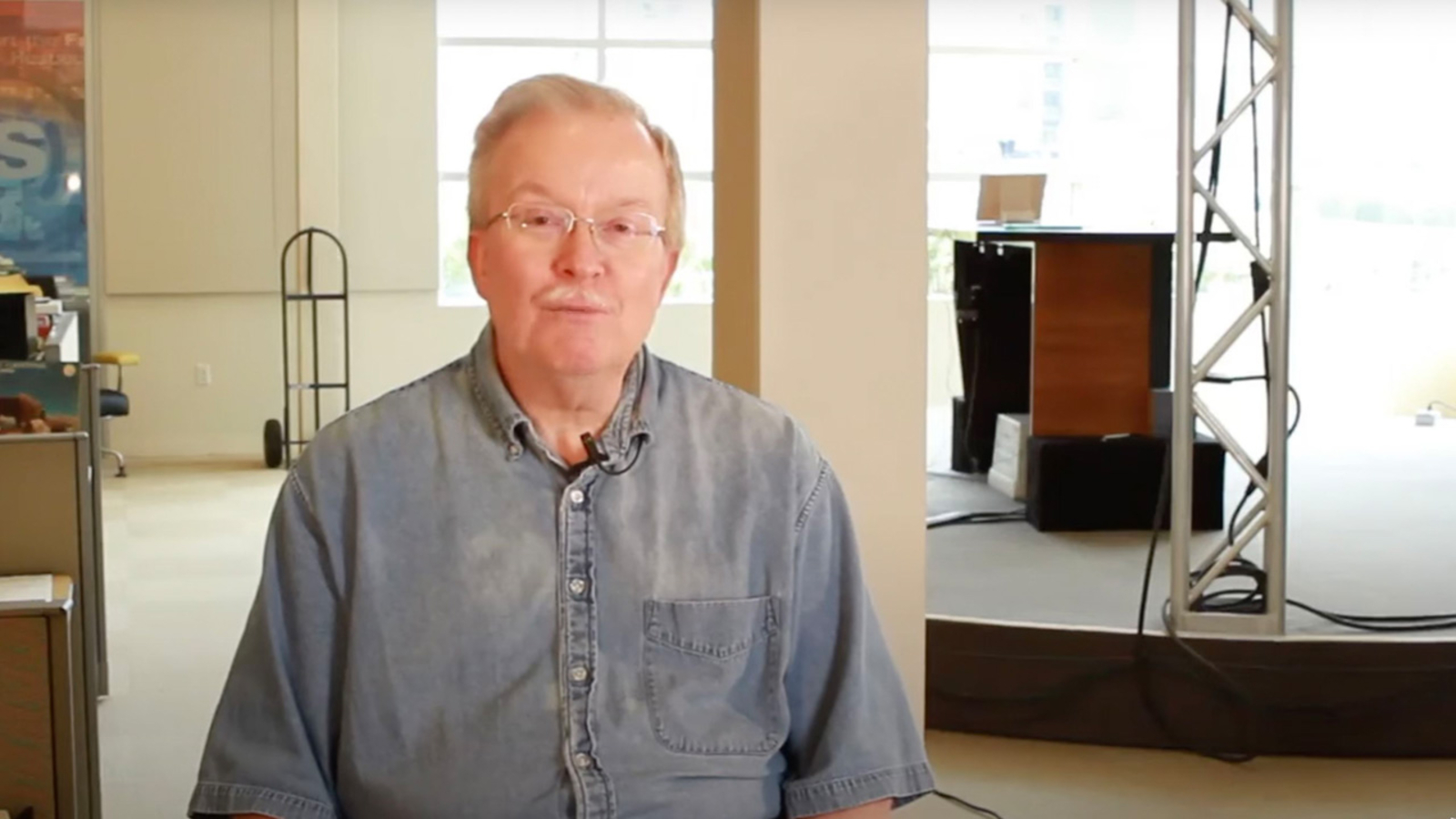
Elwood Edwards, Voice of AOL’s ‘You’ve Got Mail,’ Passes Away at 74

Elwood Edwards, the voice behind the iconic AOL greeting “You’ve Got Mail,” has passed away at the age of 74 after a long illness, according to his former employer, Cleveland’s WKYC television station.

Edwards became a household name in the 1990s, thanks to his simple yet unforgettable voice recordings for AOL. In 1989, while working as a graphics and camera operator at WKYC, Edwards recorded four phrases for the fledgling company, then known as America Online: “Welcome,” “You’ve Got Mail,” “Files done,” and “Goodbye.” These phrases would go on to become synonymous with the AOL experience and be heard by millions around the world.

Edwards’ wife, Karen, worked for Quantum Computer Services (later known as AOL). In a 2012 YouTube video, he explained that she overheard AOL’s co-founder, Steve Case, discussing the need for a voice to accompany the new software. Karen volunteered her husband, and Edwards recorded the lines in his living room on a simple cassette deck.

“I had no idea it would become what it did,” Edwards said in a 2019 interview. “Suddenly, AOL took off… I remember standing in line at CompUSA and seeing stacks of AOL CDs, thinking, ‘my voice is on every one of those, and nobody has a clue.’”

Before his voice became a staple of the internet era, Edwards worked behind the scenes at WKYC, where he was a jack-of-all-trades. He was known for his role as a graphics operator and camera technician, and for sharing his expertise with colleagues. Frank Macek, senior broadcast director at WKYC, remembered Edwards fondly for his generosity in teaching new systems to his peers.

As his voice became inseparable from AOL’s rise, Edwards found himself becoming a local celebrity, recognized by fans and colleagues alike. He even made appearances on popular shows, including “The Tonight Show Starring Jimmy Fallon,” where he would pronounce random phrases suggested by the audience.

Originally from New Bern, North Carolina, Edwards began his career in high school radio before transitioning to television booth announcing and hosting a radio show. However, despite his iconic voice, Edwards was more comfortable working behind the scenes than in front of the camera, a preference he shared in interviews.

Edwards leaves behind a legacy as the unintentional voice of a generation and the person behind a line that became part of internet culture forever.

 

Almaty: From Soviet Drabness to Central Asia’s Cultural Capital

Almaty, Kazakhstan’s largest city with a population of 2.2 million, has undergone an extraordinary transformation since the fall of the USSR. Once a typical Soviet metropolis, it has reinvented itself into the beating heart of Central Asia, blending modernity with tradition to create one of the most dynamic cities in the region.

Today, Almaty boasts a world-class metro system, a flourishing banking and finance sector, luxury boutiques, and contemporary shopping malls alongside its vintage bazaars. The city has also become a culinary hotspot, fusing traditional Kazakhstan flavors with modern techniques, drawing international praise. In fact, Almaty’s food scene, with its “neo nomad” cuisine, has become a key part of the city’s cultural renaissance, with restaurants offering innovative dishes like marinated horse meat samosas and smoked brisket.

The city has evolved into the cultural epicenter of Central Asia, with an ever-expanding array of world-class museums, galleries, and performance spaces. Almaty is home to the Abilkhan Kasteev State Art Museum, which showcases Kazakhstan’s rich artistic heritage, as well as the avant-garde Tselinny Center of Contemporary Culture, opening next year, which will highlight cutting-edge music, theater, and art. Public spaces, such as the Almaty Metro, feature beautiful, elaborately decorated stations that pay homage to both Kazakhstan’s past and present.

Long-time American resident Dennis Keen, who advocates for historic preservation, notes that Almaty is “incredibly livable.” The city offers green spaces, a clean environment, and a reliable public transport system that makes owning a car unnecessary. The thriving creative scene, coupled with its lively culinary culture, has transformed Almaty into a destination for entrepreneurs, artists, and foodies alike.

Once, the city was a modest fort under Russian rule, growing into a modest city in the mid-19th century. After Kazakhstan gained independence from the Soviet Union in 1991, Almaty’s status as the national capital was moved to Astana (now Nur-Sultan). However, instead of dampening the city’s spirit, this shift sparked a cultural and entrepreneurial revival. Almaty quickly became a beacon for creativity and innovation, its entrepreneurs and artists embracing the freedom that came with this new chapter.

The culinary scene is a prime example of this reinvention. Almaty chefs have embraced the legacy of the nomadic people who once roamed the vast steppes of Kazakhstan, reinterpreting traditional techniques like open-flame cooking and meat-smoking in a contemporary context. Restaurants such as Auyl in the Medeu Valley offer luxurious takes on traditional dishes, using heirloom ingredients and slow-cooked meats to create artful seven-course tasting menus. The city’s neo nomad cuisine marries Kazakhstan’s past with its present, delighting visitors with a fusion of flavors that speak to both the region’s history and its future.

Along with food, art is thriving in Almaty. The city’s underground art scene is just as exciting as its public displays, with hidden gems like a secret private museum, whose location and owner are closely guarded. This mysterious collection offers an eclectic mix of Kazakhstan’s cultural history, from medieval chastity belts to Soviet-era mementos. Meanwhile, the forthcoming Tselinny Center of Contemporary Culture will provide a hub for contemporary thought, bringing together artists, intellectuals, and creatives from around the world.

Public art is another area where Almaty excels. The city is dotted with striking pieces of Socialist Modernist architecture and vibrant murals. Keen has spent years documenting and preserving these hidden treasures, showcasing them on walking tours that reveal the city’s Soviet-era artistic roots.

Almaty’s appeal is not just limited to its cultural renaissance. For those seeking adventure, the surrounding Tien Shan Mountains offer stunning scenery and a glimpse into Kazakhstan’s nomadic traditions. Visitors can stay in traditional yurts and embark on horseback treks to remote lakes, where ghost forests add an eerie atmosphere to the natural beauty.


Mysterious Black Balls on Sydney Beaches Identified as Fatbergs

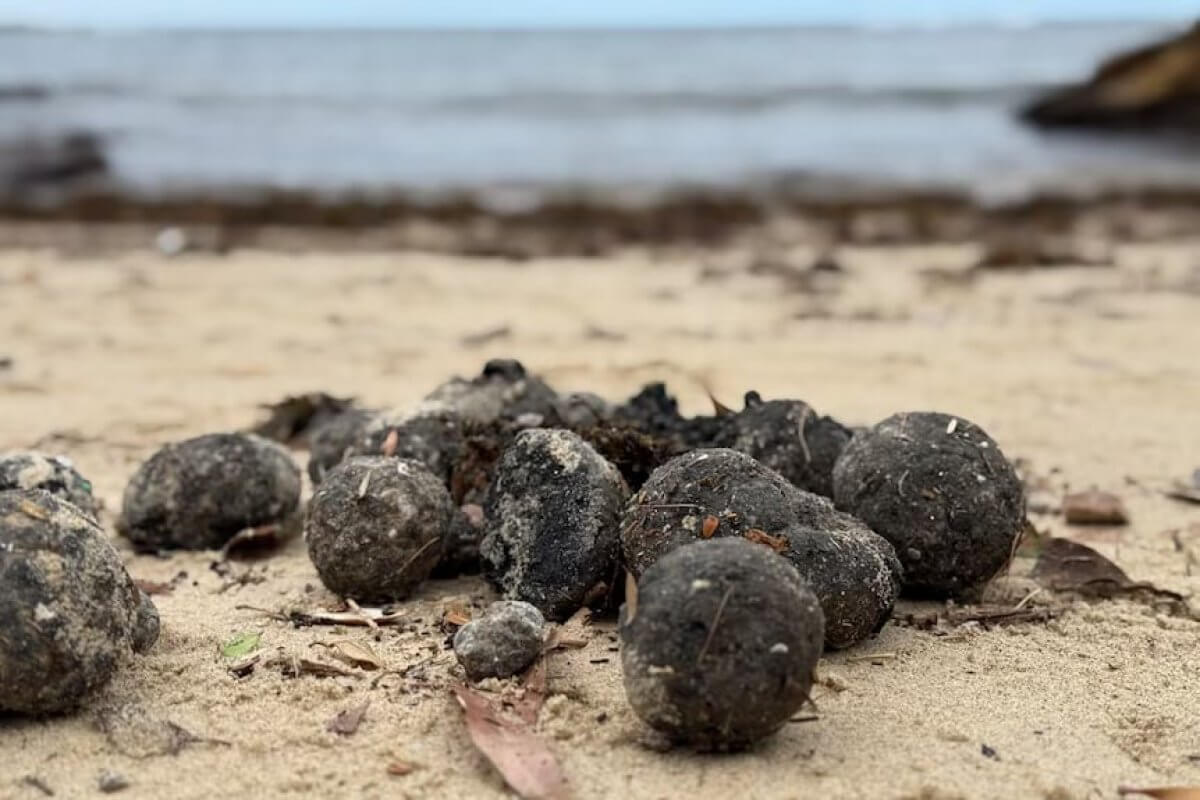
The unsettling mystery of black balls washing up on Sydney’s beaches last month has been solved, and the revelation is even more disturbing than initially imagined. These spheres, which initially sparked concerns of an oil spill, have now been identified as “mini fatbergs,” a revolting concoction of human feces, methamphetamine, human hair, fatty acids, and food waste, among other vile substances.

Thousands of these foul-smelling black balls were discovered on seven Sydney beaches, prompting lifeguards to close the affected areas and initiate cleanup efforts. The New South Wales Environment Protection Authority (EPA) issued warnings for locals to stay away from the balls, urging them not to touch or swim near them. Bondi Beach, one of the city’s most iconic beaches, was among the affected areas.

Scientists from the University of New South Wales (UNSW) were tasked with investigating the strange objects. Initial tests suggested the balls were made of unrefined oil, possibly linked to an oil spill. However, further analysis uncovered a far more unpleasant reality—the balls were fatbergs, masses of congealed fats, oils, and other waste materials that typically build up in sewage systems.

Lead investigator Associate Professor Jon Beves described the smell of the fatbergs as “absolutely disgusting” and worse than anything most people could imagine. “They smell worse than anything you’ve ever smelled,” he told affiliate 9News.

Fatbergs are known to clog sewer systems and can be quite dangerous. A particularly massive fatberg in Birmingham, UK, in 2021 weighed 330 tons and caused significant damage. However, the Sydney fatbergs were unique in their composition, containing human waste, drugs, medications, and even food remnants, making them a particularly grim example of pollution.

The origin of the fatbergs remains unknown, though authorities suspect they may have come from a source releasing mixed waste. Possible causes include shipping spills or wastewater outflows, but the complex composition of the balls, combined with their time in the water, has made it difficult for scientists to pinpoint their exact origin.

The discovery has raised further concerns about pollution along Sydney’s coastline, underscoring the need for better waste management practices to prevent such occurrences in the future.