
Boeing’s Intelsat 33e Satellite Breaks Apart in Space, Creating Significant Debris Field

Boeing’s Intelsat 33e, a significant player in global communications, unexpectedly disintegrated in orbit over the weekend, resulting in the creation of at least 20 pieces of debris. Prior to this incident, the satellite had been operating from a stable geostationary orbit above the Indian Ocean, providing critical broadband communication services to regions spanning Europe, Africa, and Asia. However, the satellite ceased functioning on October 19, 2024, and Intelsat, its operating company, confirmed the total loss of the satellite just two days later, on October 21. The cause behind the satellite’s sudden breakdown remains shrouded in mystery, prompting investigations into the incident.

Following the breakdown of Intelsat 33e, the U.S. Space Force confirmed the satellite’s fragmentation into multiple debris pieces. Although the fragments currently pose no immediate threat to other operational satellites, the event highlights the ongoing issue of space debris and the potential hazards it poses to future space missions. Intelsat officials have announced that they are working closely with Boeing and relevant government agencies to uncover the root cause of the satellite’s malfunction. A Failure Review Board has been established to conduct a thorough investigation, ensuring that any findings can be used to enhance safety and reliability in future satellite operations.

This incident is particularly concerning as Intelsat 33e was part of Boeing’s EpicNG satellite platform, which was developed to provide next-generation communication capabilities. Launched in 2016, Intelsat 33e represented significant advancements in satellite technology. However, the platform has come under scrutiny following this latest failure, marking the second incident involving its satellites. Previously, Intelsat 29e experienced operational issues after potentially being struck by a micrometeoroid or affected by solar activity. These recurring failures have diminished the expected operational lifespan of these satellites, raising alarms about the overall reliability of Boeing’s satellite systems.

As the space industry continues to expand, the implications of this incident extend beyond the immediate loss of Intelsat 33e. It raises critical questions about the robustness of satellite designs and the challenges posed by the harsh environment of space. With an increasing number of satellites being launched, the management of space debris is becoming an urgent priority for space agencies and private operators alike. The investigations into Intelsat 33e’s failure will likely inform future designs and operational protocols, reinforcing the need for rigorous safety standards in satellite technology.
3D Scanning Technology Uncovers New Details of Endurance Shipwreck After 107 Years

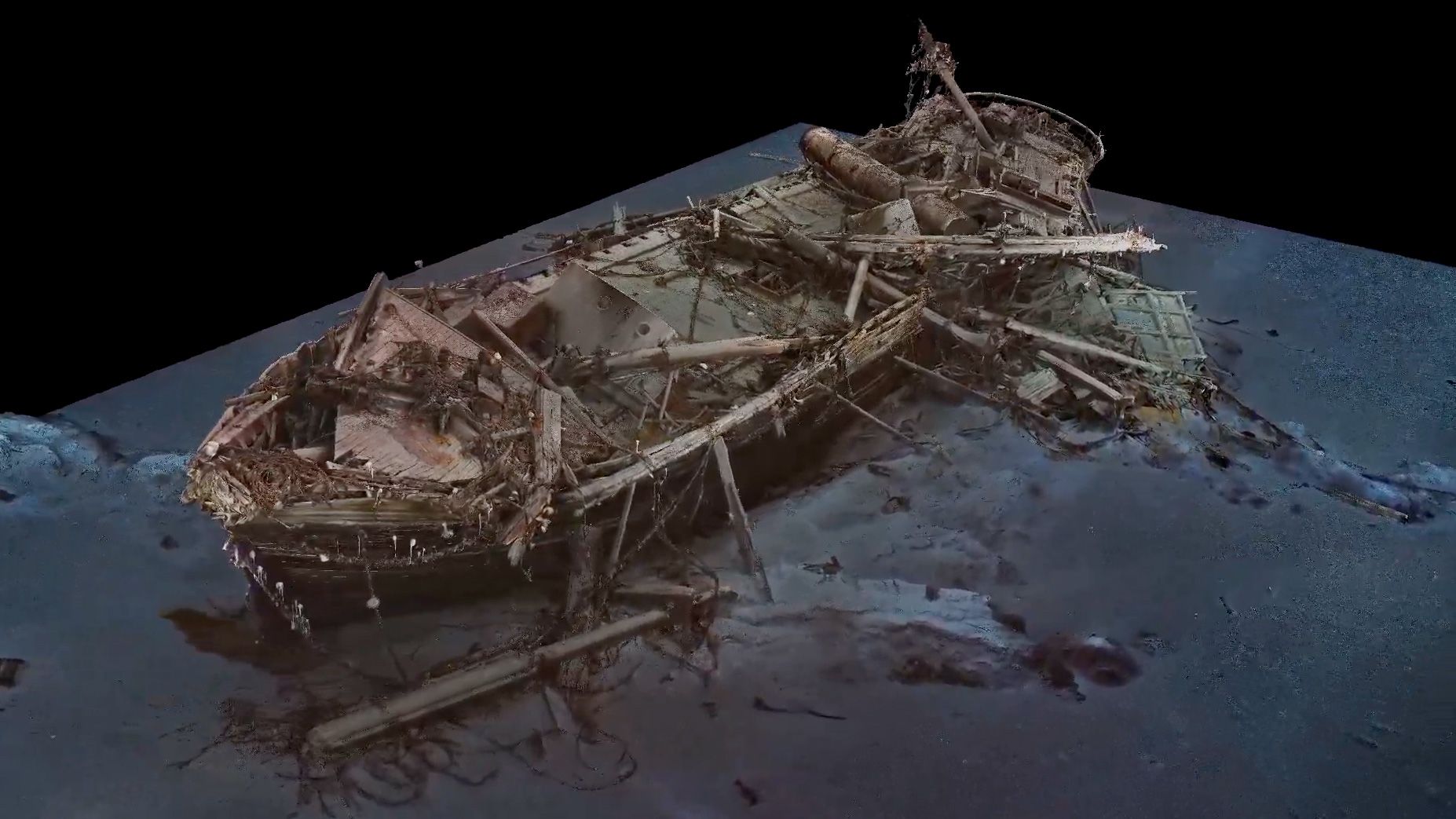
The wreck of the Endurance, famously lost during Sir Ernest Shackleton’s ill-fated Antarctic expedition in 1914, has been meticulously documented using cutting-edge 3D scanning and underwater photography techniques. The ship, which rested on the floor of the Weddell Sea for over a century, was rediscovered in 2022, reigniting interest in its storied history. Now, thanks to the Falklands Maritime Heritage Trust, detailed scans reveal astonishingly well-preserved elements of the 144-foot vessel, including sections of its upper deck that appear remarkably intact despite being submerged for 107 years.

The 3D imaging provides a unique view of the shipwreck as it rests at the bottom of the sea. While some parts, such as the mast and railings, show signs of decay, many artifacts remain eerily well-preserved. Items like scattered plates on the deck and a boot entangled in the ship’s collapsed rigging paint a vivid picture of the ship’s final moments. Notably, fragments of the ship’s linoleum floor, featuring a star-pattern design, are still discernible, highlighting the craftsmanship of the time. These scans are part of a documentary premiering on November 1, which chronicles the shipwreck’s discovery and the gripping survival story of its crew.

Shackleton’s Antarctic expedition aimed to make a historic crossing of Antarctica on foot. However, fate intervened when the Endurance became trapped in dense sea ice before reaching the continent. After enduring ten harrowing months trapped in the ice, the ship was eventually crushed and sank, leaving Shackleton and his crew stranded in one of the harshest environments on Earth. With limited supplies and hope dwindling, Shackleton, alongside five crew members, undertook a perilous journey of over 800 miles in a small lifeboat to reach South Georgia Island, where they sought help. Remarkably, all crew members ultimately survived this extraordinary tale of endurance and leadership.

The preservation of the Endurance serves as a testament to the resilience of both the ship and its crew. As researchers continue to analyze the wreck, the findings not only deepen our understanding of maritime history but also shed light on the challenges faced by early explorers in uncharted territories. The images and data captured through advanced scanning technology offer a window into the past, allowing us to appreciate the rich legacy of exploration and the human spirit’s unyielding determination in the face of adversity.

New Research Discovers Essential Role of Selfish DNA (LINE-1) in Early Human Embryonic Development

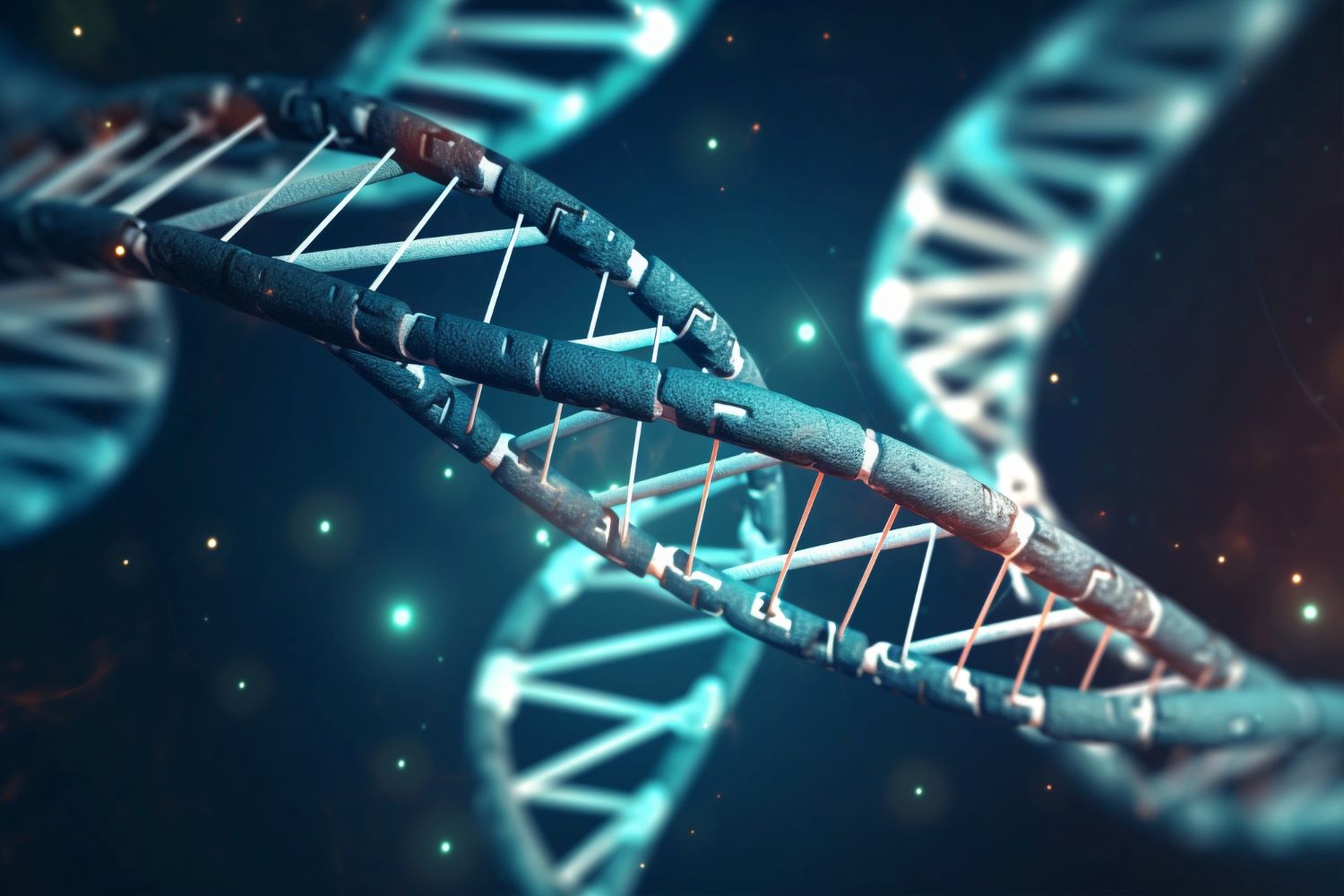
A recent study has significantly altered our understanding of transposable elements in the human genome, revealing their vital role in early embryonic development. Researchers at Sinai Health have discovered that these segments of DNA, commonly referred to as “selfish DNA,” particularly the LINE-1 (Long Interspersed Nuclear Element-1), are not merely parasitic but essential for the proper formation of human embryos. Historically viewed as detrimental, these transposable elements constitute approximately 20% of the human genome, while functional genes represent less than 2%, indicating a much more complex relationship than previously thought.

Transposons, the genetic elements capable of relocating within the genome, were once compared to viruses due to their ability to replicate and potentially disrupt normal gene function. However, Dr. Juan Zhang, a senior co-author and postdoctoral fellow involved in the study, pointed out that LINE-1 RNA shows significant activity during the early stages of embryonic development. This observation challenges the long-held belief that transposable elements primarily serve as harmful agents contributing to diseases such as cancer and hemophilia.

The study’s findings highlight the importance of LINE-1 in embryo development, particularly through experiments that involved blocking its activity. When Dr. Zhang’s team inhibited LINE-1 in human embryonic stem cells, they observed that the cells reverted to an earlier developmental stage known as the 8-cell stage. At this stage, the cells are capable of developing into both embryonic and placental tissues, underscoring the necessity of LINE-1 in guiding the differentiation process of cells into specialized forms required for further embryonic development.

These insights shed light on the previously underestimated roles of transposable elements, suggesting that what was once considered “junk DNA” may actually be crucial to the complexities of human development. The implications of this research extend beyond embryology; they may also provide new avenues for understanding genetic diseases and advancing regenerative medicine. By unraveling the functions of LINE-1 and similar elements, scientists can better comprehend their contributions to both normal development and pathological conditions, ultimately leading to innovative therapeutic strategies.