

Google DeepMind has open-sourced a groundbreaking technology for watermarking AI-generated text, a move aimed at enhancing the transparency and traceability of AI content. The technology, known as SynthID, can eventually be applied across various media modalities, including text, images, videos, and audio. For now, however, only the text watermarking capability is available, with an initial release targeted toward businesses and developers. Google’s goal is to foster the widespread adoption of SynthID to ensure that AI-generated text can be easily identified and verified, supporting content integrity on the Internet.
The launch was formally announced on X (formerly Twitter), where Google DeepMind highlighted the accessibility of SynthID for developers and enterprise users. This tool is part of Google’s Responsible Generative AI Toolkit, which has been updated to integrate this watermarking feature seamlessly. Additionally, developers can download SynthID from Google’s Hugging Face listing, expanding its reach and usability in AI and software development communities. By offering this tool for free, Google aims to set a new standard for responsible AI content generation and management.
The need for reliable detection of AI-generated text has become increasingly urgent. The digital landscape is experiencing an influx of AI-created content, blurring the lines between human-authored and algorithm-generated material. A recent study by Amazon Web Services’ AI lab underscored the scale of this challenge. It found that over half—57.1 percent—of sentences translated into multiple languages online could be linked to AI generation. Such trends raise concerns about misinformation, content authenticity, and the potential erosion of trust in online information.
By releasing SynthID as open-source software, Google DeepMind hopes to empower developers and organizations to address these challenges proactively. The watermarking technology provides an embedded signature within AI-generated text, allowing for seamless and reliable detection without compromising the quality or readability of the content. This step also reflects Google’s broader commitment to advancing responsible AI practices, encouraging collaboration across the tech industry to develop safer, more accountable generative AI systems.
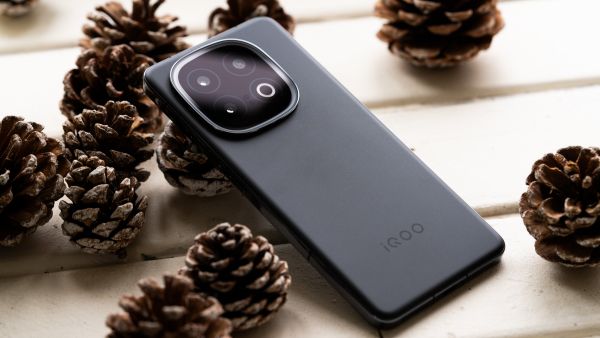
iQOO is gearing up to launch the iQOO 13 in its home market, building anticipation for the next flagship smartphone. The company has already revealed key details about the device’s design and its cutting-edge Snapdragon 8 Elite SoC. However, the latest teaser highlights a major focus on the phone’s display technology. According to the brand, the iQOO 13 will feature a BOE-developed Q10 8T LTPO OLED screen with an impressive 2K resolution, designed to elevate the viewing experience to new heights. In performance testing, the iQOO 13 has reportedly scored over 3 million points on the AnTuTu benchmark, emphasizing its powerhouse status.
In the newly shared teaser posters on Weibo, the display specifications stand out for their premium features. The iQOO 13’s Q10 8T LTPO OLED panel offers a 144Hz refresh rate, making for ultra-smooth animations and seamless interactions. It also delivers a remarkable peak brightness of 1,800 nits in high brightness mode (HBM), ensuring excellent visibility even under direct sunlight. With a pixel density of 510 pixels per inch (ppi) and support for HDR10+, the screen promises vivid, lifelike colors and sharp detail, ideal for media consumption and gaming.
Another standout feature is the display’s commitment to eye protection, setting a new standard for Android devices. The iQOO 13 will be the world’s first smartphone to incorporate OLED circular polarised light eye protection technology, developed to reduce strain during prolonged use. This innovative technology has earned the TÜV Rheinland certification and has been approved by the National Ophthalmology Engineering Center in China. Such advancements reflect the phone’s focus on user health and comfort without compromising on display quality.
The iQOO 13 is shaping up to be a powerhouse not only in terms of performance but also in battery life and charging speed. It will be equipped with a robust 6,150mAh battery, supported by 120W fast wired charging, which means users can expect minimal downtime and extended usage. Coupled with the Snapdragon 8 Elite SoC, the device aims to offer top-tier gaming and multitasking capabilities, backed by a display that is both visually stunning and optimized for eye care.