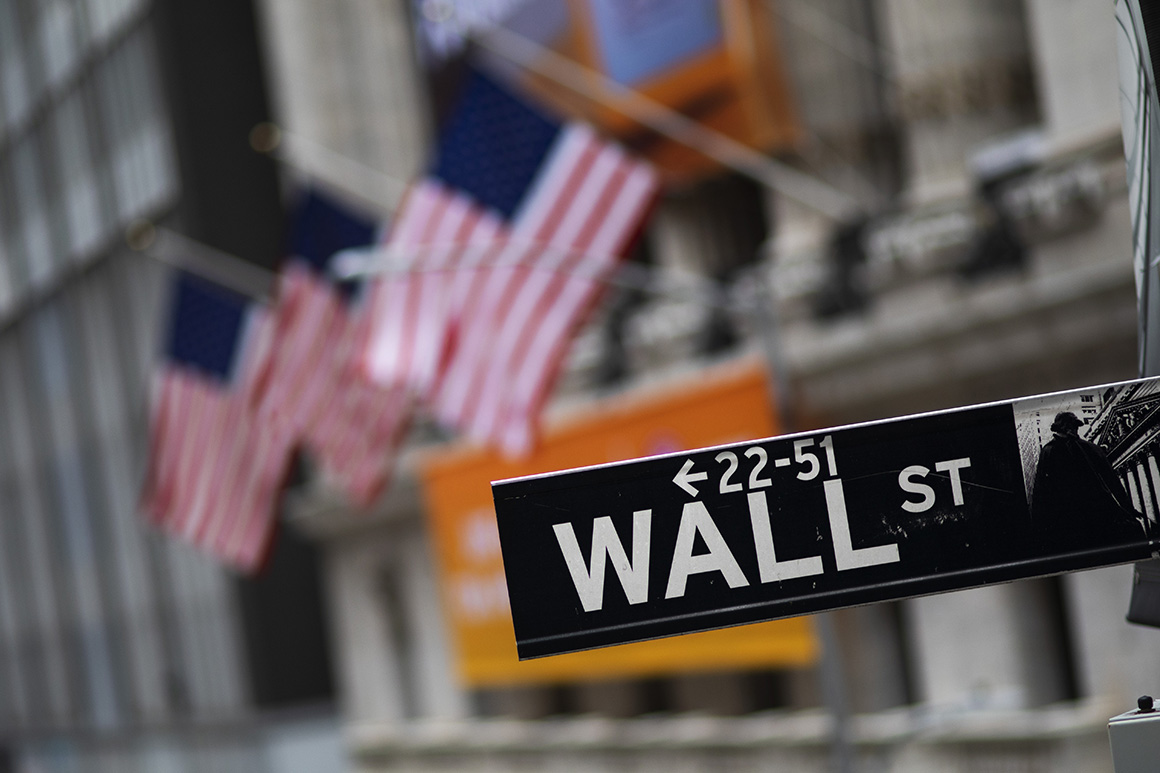
Wall Street Reaches Record Highs Following Trump’s Presidential Election Win

Wall Street surged to record levels on Wednesday as Donald Trump’s election victory propelled key U.S. market indexes higher. In a comeback that restores him to the White House four years after his first term ended, Trump’s win sparked optimism for tax cuts and deregulation, although market watchers noted potential challenges from possible tariff hikes, which could drive up inflation and the federal deficit.

Trump’s victory spurred a rally in “Trump trades,” with U.S. Treasury yields rising, the dollar strengthening, and Bitcoin hitting a record high. “The market response indicates that a Trump victory was not fully priced in, reflecting an extension of the ‘Trump trade’ that assumes Republicans will control both the House and Senate,” noted Candice Bangsund, a portfolio manager at Fiera Capital.

Domestic-focused stocks surged on the news, especially in the small-cap Russell 2000 index, which jumped 4.7% to a nearly three-year high. Small-cap stocks are expected to benefit from lower regulatory burdens, favorable tax policies, and minimal exposure to potential import tariffs. “Small caps are poised for a strong catch-up trade over the next 6-12 months,” said Sean Gallagher, Lazard’s global head of Small Cap Equity.

The market volatility index (VIX) dropped nearly five points, reaching its lowest level since September, as investors embraced the likelihood of a stable policy environment.

In individual market performance, the Dow Jones Industrial Average rose 1,345 points (3.19%) to reach 43,566.98, the S&P 500 climbed by 120.78 points (2.1%) to 5,903.45, and the Nasdaq Composite rose 436.48 points (2.37%) to 18,875.65. Financials led the S&P 500’s gains with a 5.5% surge, while the KBW Bank Index recorded its best day in four years. Energy, Industrials, and Consumer Discretionary sectors each gained around 3%, while rate-sensitive sectors like Real Estate and Utilities saw declines due to concerns that Trump’s policies might increase inflation, reducing the likelihood of future rate cuts—a significant driver of recent rallies.

The Federal Reserve is anticipated to reduce interest rates by 25 basis points on Thursday. However, with Trump’s policies expected to increase inflationary pressure, traders have begun lowering their expectations for additional rate cuts next year. Bangsund commented, “The sharp rise in Treasury yields may weigh on stock valuations.”

Stocks projected to benefit under Trump’s second term posted strong gains, including Trump Media & Technology Group, which rose 9.3%. Tesla also jumped 14%, likely influenced by Elon Musk’s vocal support for Trump’s campaign. Gains extended to cryptocurrency companies, energy stocks, and prison operators, while renewable energy stocks experienced declines.

Attention has now turned to whether Republicans will retain their newly gained majority in the Senate and potentially secure the House of Representatives, an outcome that could further shape the market’s trajectory over the next four years.
 

Trump Victory Set to Test U.S. Democratic Institutions and Global Relations

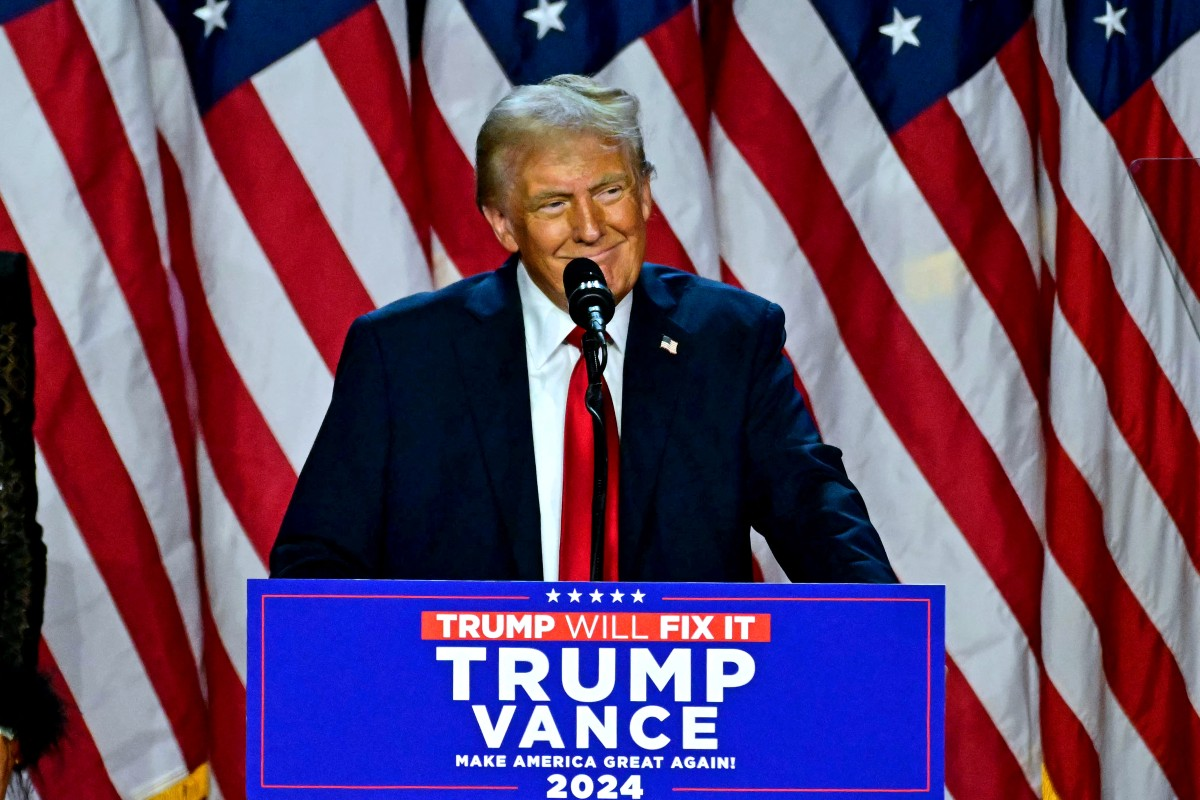
In a historic return to the presidency, Donald Trump, 78, has regained the White House after his defeat four years prior, stirring anticipation of changes in U.S. governance and international relations. Trump’s comeback, secured with a comfortable Electoral College win and significant popular vote margin, marks a shift after a campaign marked by polarizing rhetoric and two attempts on his life. Vice President Kamala Harris, who stepped in after President Joe Biden withdrew from the race in July, will officially concede later in the day.

Trump’s electoral win hinged on pivotal swing states, with Wisconsin delivering the deciding electoral votes. By mid-morning, Trump led Harris with 279 electoral votes to her 223, while some states continued to tally ballots. His popular vote count also reflected a five-million-vote lead, marking a rare occurrence of a Republican winning both the Electoral College and popular vote since George W. Bush in 2004. At a victory celebration in Florida, Trump described his mandate as “unprecedented and powerful.”

The campaign underscored issues like inflation, immigration, and public safety, key areas that Trump emphasized as urgent concerns for American voters. Economic hardship, particularly among Hispanic and low-income communities, as well as rural and non-college-educated voters, contributed to Trump’s broad support. Many Americans voiced frustration with persistent inflation despite low unemployment and record stock market performance, with a majority indicating a preference for Trump’s economic policies over those of Harris.

On the global front, Trump’s victory is expected to impact trade, climate policy, and immigration, as well as the ongoing conflict in Ukraine. Ukrainian President Volodymyr Zelenskiy expressed optimism about Trump’s “peace through strength” stance, while Russian officials cautiously hoped his leadership might expedite conflict resolution. Israeli Prime Minister Benjamin Netanyahu congratulated Trump, discussing shared security concerns, including the Iranian threat. In contrast, the Palestinian group Hamas urged the U.S. to reconsider its “blind support” for Israel.

Beyond foreign policy, Trump’s second term promises to test U.S. democratic institutions, with his proposals to reduce corporate taxes, potentially rekindle trade tensions, and accelerate deportation of undocumented immigrants. He has also expressed intentions to reform civil service policies to address what he perceives as disloyalty, raising concerns among critics about political influence over federal agencies.

The Republican Party gained a Senate majority, though control of the House remains narrowly divided. Markets globally reacted positively to the election, with major stock indices and the dollar experiencing significant gains.

For Harris, her unexpected 15-week campaign fell short against Trump’s robust support base. Throughout her campaign, she warned voters of Trump’s authoritarian ambitions and posed the election as critical for safeguarding democracy. Nearly three-quarters of exit poll respondents viewed American democracy as under threat, reflecting the polarized state of the electorate. Harris’s appeals were amplified by former Trump officials, including General John Kelly, who called Trump a “fascist” in an effort to sway undecided voters.

The campaign’s heated rhetoric saw moments of violence, including two assassination attempts against Trump, which heightened concerns about political volatility. Following Biden’s departure from the race after a July debate, Harris mounted a swift campaign and rallied significant funding, but ultimately could not overcome Trump’s entrenched base and financial backing from figures like Elon Musk, who invested heavily in Trump-supporting initiatives.

With Inauguration Day set for January 20, Trump will take office alongside Vice President JD Vance. His administration is expected to include roles for prominent supporters like Elon Musk and former presidential candidate Robert F. Kennedy Jr., setting a tone for a highly scrutinized presidency that will likely further intensify political divides across the nation.


Study Finds Link Between Brain Injuries and Increased Alzheimer’s Disease Risk

New Study Links Traumatic Brain Injuries to Increased Alzheimer’s Disease Risk

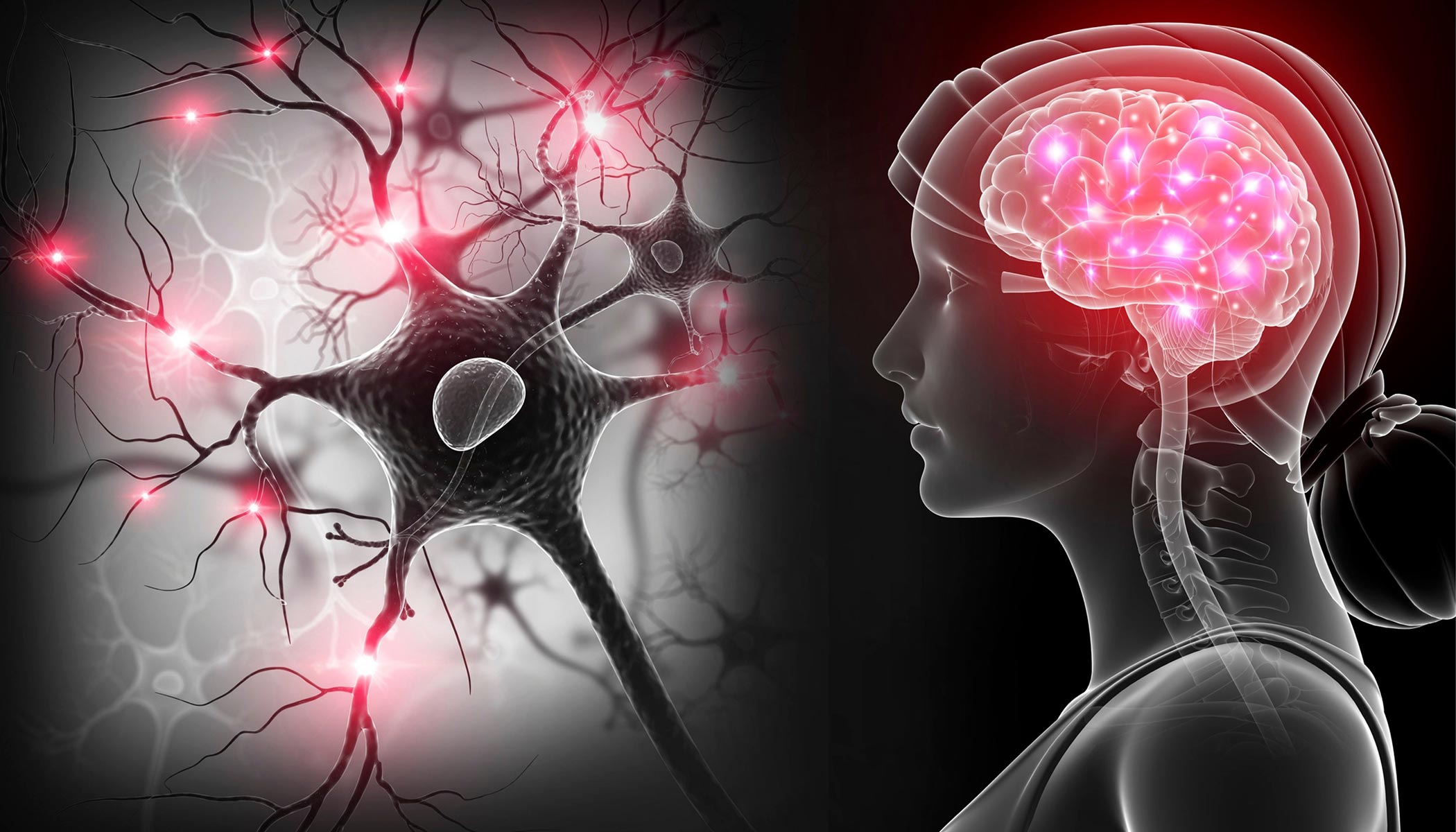
Recent research from The Ohio State University Wexner Medical Center has provided compelling evidence that traumatic brain injuries (TBI) may significantly increase the likelihood of developing Alzheimer’s disease. By utilizing both animal models and human brain tissue samples, scientists have identified a potential link between TBIs and the accumulation of harmful proteins in the brain, which are associated with cognitive decline. Central to this discovery is the role of a protein called BAG3, which is crucial for the removal of toxic proteins. The study proposes that enhancing BAG3 levels could be a promising strategy to mitigate Alzheimer’s risk in individuals who have suffered TBIs.

Every year, approximately 2.5 million people experience TBIs, with a notable portion facing heightened risk for Alzheimer’s disease as they age. Led by Dr. Hongjun “Harry” Fu, Assistant Professor of Neuroscience, the research team aimed to explore the molecular pathways connecting TBI to Alzheimer’s. Their findings revealed that TBIs significantly increase the presence of hyperphosphorylated tau proteins in the brain. These tau proteins are known to disrupt normal cellular function and are key contributors to the neurodegenerative processes seen in Alzheimer’s disease. The research highlights how TBIs can create a perfect storm for cognitive decline by facilitating the conditions necessary for protein aggregation.

The study also emphasizes the importance of BAG3 in maintaining brain health following injury. Researchers discovered that BAG3 levels decrease after a TBI, leading to an increased accumulation of tau proteins in neurons. This depletion can exacerbate cognitive issues and accelerate the progression of neurodegenerative diseases. However, the team’s innovative approach to gene therapy aimed at boosting BAG3 levels demonstrated promising results. By restoring BAG3 expression, they observed improvements in brain function and a reduction in the accumulation of toxic proteins, suggesting a potential therapeutic pathway for preventing Alzheimer’s disease.

The implications of this research are significant, particularly as the incidence of TBIs continues to rise, especially among athletes and individuals involved in high-risk occupations. By focusing on BAG3 as a target for intervention, the study opens the door for developing novel strategies to protect brain health in those who have experienced TBIs. Future research will be critical to further elucidate the mechanisms at play and to determine the feasibility of implementing BAG3-targeted therapies in clinical settings. Ultimately, this study not only enhances our understanding of the relationship between brain injuries and Alzheimer’s but also offers hope for new preventive measures against cognitive decline.