
Close Menu
  • Home
  • Technology
  • Devices
  • Business
  • Science
  • Gadgets
  • Startups
Ayaksız
  • Home
  • Technology

    Lucid and Bolt Plan 25,000 Robotaxis for Europe

    Eylül 18, 2026

    AMD Gives PC Builders More Choice With New Ryzen 5 Desktop Chips

    Eylül 11, 2026

    Apple Expands Device Protection With a $49.99 Family Plan

    Eylül 11, 2026

    Snapdragon 8 Elite Extreme Gen 6 Reportedly Beats MediaTek’s Next Flagship Chipset

    Eylül 11, 2026

    Pinterest CFO Julia Donnelly to Step Down in October

    Ağustos 30, 2026
  • Devices

    Projector Setup: Separate Placement, Lens Shift, Zoom, and Keystone

    Kasım 18, 2026

    Router Mode or Access Point Mode? Give Each Network Device a Clear Job

    Kasım 18, 2026

    Scanner Feeder or Glass? Choose According to the Original

    Kasım 13, 2026

    Borderless Printing: Why the Edges of Your Photo Can Disappear

    Kasım 12, 2026

    Camera AE Lock: Recompose a Scene Without Letting Exposure Drift

    Kasım 11, 2026
  • Business

    Google Pixel 11 Pro Leaked Renders Indicate It Might Sport Thinner Bezels Than the Pixel 10 Pro

    Mart 30, 2026

    Motorola Edge 70 Debuts With Snapdragon 7 Gen 4, Ultra-Slim 5.99mm Body

    Kasım 5, 2025

    Samsung Galaxy S26 Series Could See Price Increase Amid Rising Component Costs: Report

    Kasım 4, 2025

    Amazon’s AWS Partners with NBA to Power New AI Basketball Platform

    Ekim 4, 2025

    Billionaire-Backed Bitcoin Firm OranjeBTC to List on Brazil’s B3 Exchange

    Ekim 4, 2025
  • Science

    Double Rainbows: Why the Outer Arc Reverses Its Colors

    Kasım 18, 2026

    Why Ice Floats—and Why Water Behaves Differently Near Freezing

    Kasım 13, 2026

    Air Pressure and Altitude: Why Two Weather Readings May Not Be Comparable

    Kasım 12, 2026

    A Light-Year Measures Distance: Understanding the Scale Behind Space Headlines

    Kasım 11, 2026

    Why the Sky Is Blue—and Why the Same Atmosphere Produces Red Sunsets

    Kasım 10, 2026
  • Gadgets

    Tripod Center Columns: Extra Height Comes with a Stability Tradeoff

    Kasım 18, 2026

    E Ink Ghosting: Match the Refresh Mode to the Task

    Kasım 13, 2026

    Camera Lens Hoods: Choose the Right Shape and Check the Whole Frame

    Kasım 12, 2026

    Pop Filters and Windscreens: Match Microphone Protection to the Noise

    Kasım 12, 2026

    USB Hub Power: Check Where Your Connected Devices Get Their Energy

    Kasım 11, 2026
  • Startups

    Cache-Control for Startups: No-Cache and No-Store Solve Different Problems

    Kasım 18, 2026

    Dead-Letter Queues: Investigate Before Replaying Failed Messages

    Kasım 13, 2026

    Database Connection Pools: Budget Across Every Application Replica

    Kasım 13, 2026

    Startup Staging Sites: Separate Search Visibility from Access Control

    Kasım 12, 2026

    API Idempotency Keys: Keep a Retry Connected to the Original Operation

    Kasım 11, 2026
Ayaksız
Anasayfa » Blog » Study Finds Link Between Brain Injuries and Increased Alzheimer’s Disease Risk
Science

Study Finds Link Between Brain Injuries and Increased Alzheimer’s Disease Risk

By ayaksızKasım 5, 2024Yorum yapılmamış3 Mins Read
Facebook Twitter Pinterest LinkedIn Tumblr Email
Share
Facebook Twitter LinkedIn Pinterest Email

New Study Links Traumatic Brain Injuries to Increased Alzheimer’s Disease Risk

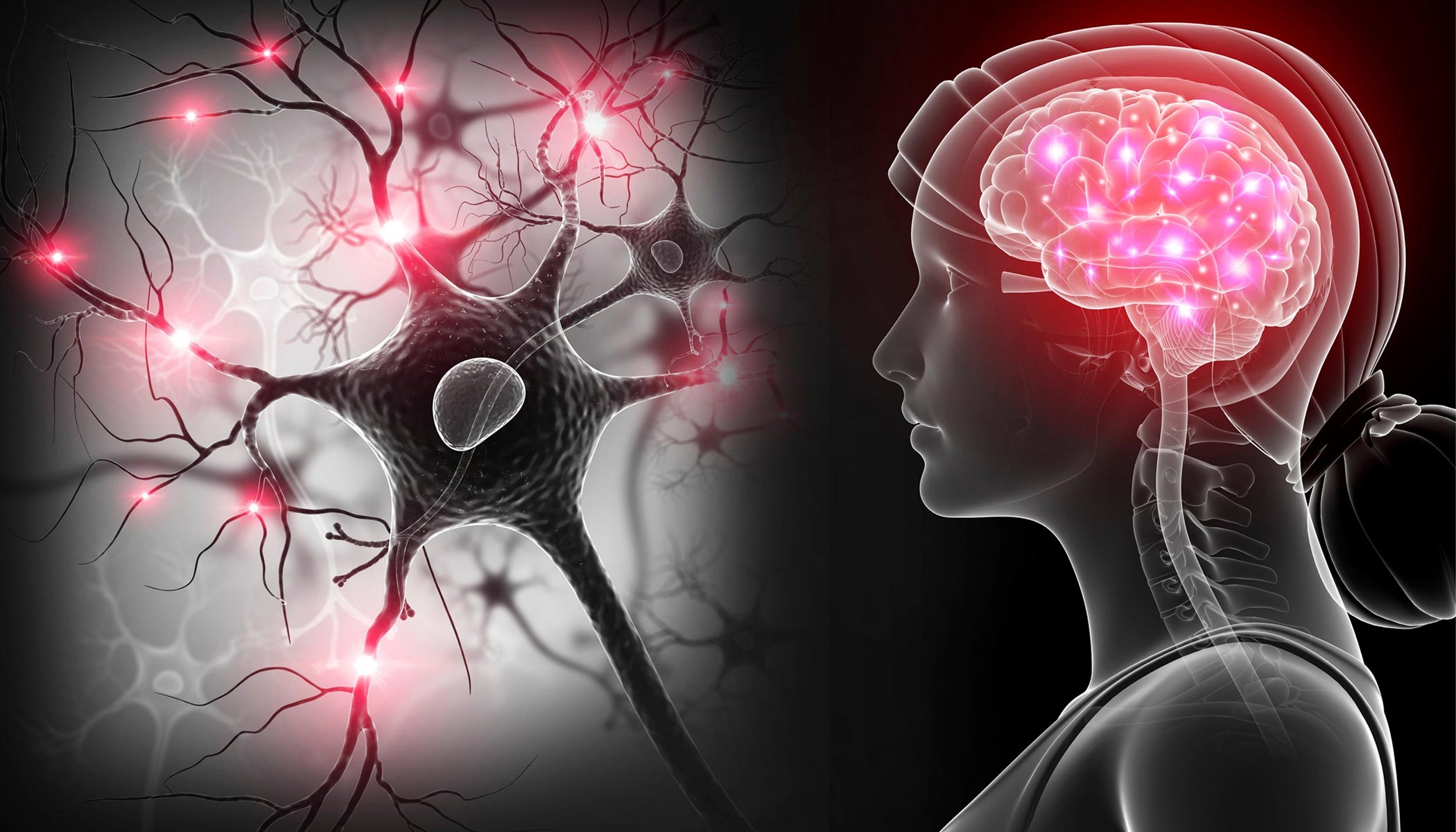
Recent research from The Ohio State University Wexner Medical Center has provided compelling evidence that traumatic brain injuries (TBI) may significantly increase the likelihood of developing Alzheimer’s disease. By utilizing both animal models and human brain tissue samples, scientists have identified a potential link between TBIs and the accumulation of harmful proteins in the brain, which are associated with cognitive decline. Central to this discovery is the role of a protein called BAG3, which is crucial for the removal of toxic proteins. The study proposes that enhancing BAG3 levels could be a promising strategy to mitigate Alzheimer’s risk in individuals who have suffered TBIs.

Every year, approximately 2.5 million people experience TBIs, with a notable portion facing heightened risk for Alzheimer’s disease as they age. Led by Dr. Hongjun “Harry” Fu, Assistant Professor of Neuroscience, the research team aimed to explore the molecular pathways connecting TBI to Alzheimer’s. Their findings revealed that TBIs significantly increase the presence of hyperphosphorylated tau proteins in the brain. These tau proteins are known to disrupt normal cellular function and are key contributors to the neurodegenerative processes seen in Alzheimer’s disease. The research highlights how TBIs can create a perfect storm for cognitive decline by facilitating the conditions necessary for protein aggregation.

The study also emphasizes the importance of BAG3 in maintaining brain health following injury. Researchers discovered that BAG3 levels decrease after a TBI, leading to an increased accumulation of tau proteins in neurons. This depletion can exacerbate cognitive issues and accelerate the progression of neurodegenerative diseases. However, the team’s innovative approach to gene therapy aimed at boosting BAG3 levels demonstrated promising results. By restoring BAG3 expression, they observed improvements in brain function and a reduction in the accumulation of toxic proteins, suggesting a potential therapeutic pathway for preventing Alzheimer’s disease.

The implications of this research are significant, particularly as the incidence of TBIs continues to rise, especially among athletes and individuals involved in high-risk occupations. By focusing on BAG3 as a target for intervention, the study opens the door for developing novel strategies to protect brain health in those who have experienced TBIs. Future research will be critical to further elucidate the mechanisms at play and to determine the feasibility of implementing BAG3-targeted therapies in clinical settings. Ultimately, this study not only enhances our understanding of the relationship between brain injuries and Alzheimer’s but also offers hope for new preventive measures against cognitive decline.

Alzheimer’s Disease BAG3 protein Cognitive Decline neurodegeneration traumatic brain injury
Share. Facebook Twitter Pinterest LinkedIn Tumblr Email
ayaksız
  • Website

Related Posts

Double Rainbows: Why the Outer Arc Reverses Its Colors

Kasım 18, 2026

Why Ice Floats—and Why Water Behaves Differently Near Freezing

Kasım 13, 2026

Air Pressure and Altitude: Why Two Weather Readings May Not Be Comparable

Kasım 12, 2026
Add A Comment

Comments are closed.

Recent Posts
  • Projector Setup: Separate Placement, Lens Shift, Zoom, and Keystone
  • Cache-Control for Startups: No-Cache and No-Store Solve Different Problems
  • Tripod Center Columns: Extra Height Comes with a Stability Tradeoff
  • Double Rainbows: Why the Outer Arc Reverses Its Colors
  • Router Mode or Access Point Mode? Give Each Network Device a Clear Job
Tags
AI AI Chips AI Infrastructure Amazon Android Apple Artificial Intelligence Bitcoin ChatGPT China Cryptocurrency Cybersecurity data centers DeepSeek Donald Trump Electric Vehicles Elon Musk Ether Generative AI Google Huawei India Investment Iphone Meta Microsoft NASA National Security Nvidia OnePlus OpenAI Oppo Realme Samsung semiconductor industry Social media Sony SpaceX Technology Tesla Tether TikTok Vivo WhatsApp Xiaomi
Ayaksız
Instagram
© 2026 Ayaksız.

Type above and press Enter to search. Press Esc to cancel.