Revolutionary Biosensor in Seatbelts Monitors Driver Stress and Health Conditions

A new breakthrough in biosensor technology could revolutionize how we monitor driver and pilot health, particularly focusing on stress and alertness levels. Developed by researchers at the National University of Singapore and Tsinghua University, this innovative device is seamlessly integrated into seatbelts and tracks vital signs such as heartbeat and respiration without direct skin contact. Detailed in the journal Nature Electronics, this biosensor promises to improve safety in vehicles and aircraft by enabling real-time monitoring of cardiopulmonary data, even in dynamic and challenging environments.

The key to the success of this non-contact biosensor lies in its use of advanced metamaterials. These engineered materials are designed to optimize the transmission of signals, allowing the device to gather physiological data efficiently. Conductive threads are embroidered into the seatbelt in a comb-shaped pattern, which allows radio waves to interact with the user’s body. According to Xi Tian, co-author of the study, this design minimizes interference from vibrations caused by vehicle movements, ensuring that the sensor remains sensitive to subtle physiological signals. The integration of a processing system further ensures that the data collected is consistent and reliable, even when the user is in motion.

In real-world testing, the biosensor demonstrated its reliability across multiple environments. In trials conducted in both a car and an airline cabin simulator, the device proved capable of adapting to the user’s body shape while consistently detecting physiological signals. During a 1.5-hour vehicle journey in Singapore, the biosensor was able to monitor heart rate variations, while in an aircraft setting, it successfully detected sleep-wake cycles, providing valuable insights into a user’s health and stress levels. These promising results highlight the potential of this technology for health monitoring, regardless of the environment.

The introduction of this biosensor could greatly enhance safety by allowing for continuous health tracking in vehicles and aircraft, providing crucial data to alert drivers or pilots to fatigue or stress before they become a hazard. As the technology evolves, it could lead to broader applications in transportation, improving overall safety standards and offering more personalized and proactive health monitoring for those operating high-stakes machinery.

NASA’s GRACE Satellites Track Freshwater Decline Amid Rising Climate Change and Drought Risks

In a remarkable discovery that has captivated the scientific community, a 37,000-year-old saber-toothed kitten has been found preserved in the Siberian permafrost, offering an extraordinary look into the life of an ancient predator. The nearly flawless remains, including the head, forelimbs, and upper body, were uncovered near the Badyarikha River, located just north of the Arctic Circle, in 2020. This astonishing find belongs to Homotherium latidens, a species of saber-toothed cat that roamed during the late Pleistocene era. The frozen remains provide an exceptional opportunity to study this extinct species and gain insights into its physical characteristics and lifestyle.

Radiocarbon dating and dental analysis performed by researchers suggest the kitten was only about three weeks old when it perished. The baby incisors found in its jaw provided a key clue to its young age, helping scientists piece together the timeline of its life and death. It is believed that the kitten’s life was abruptly cut short, likely by a sudden environmental event, after which its body became frozen in the permafrost, preserving it in almost perfect condition for millennia.

The discovery is significant not only for its rarity but also for the level of detail it provides about the anatomy of these ancient predators. The preserved body of the kitten, still covered in soft brown fur, has revealed intricate details that fossilized skeletons could never show. The intact whiskers on its lips, well-preserved footpads, and sharp claws offer researchers a rare glimpse into the soft tissue structure of Homotherium latidens, helping to fill gaps in knowledge about the physical features of saber-toothed cats that have long been elusive.

This find offers unprecedented opportunities for paleontologists to understand more about the behavior, environment, and life cycle of saber-toothed cats. By studying the preserved kitten, scientists can gain a deeper understanding of how these apex predators interacted with their environment and perhaps even what led to their extinction. As climate change continues to impact permafrost regions, this discovery highlights both the fragility and the potential for future findings in these rapidly changing environments.

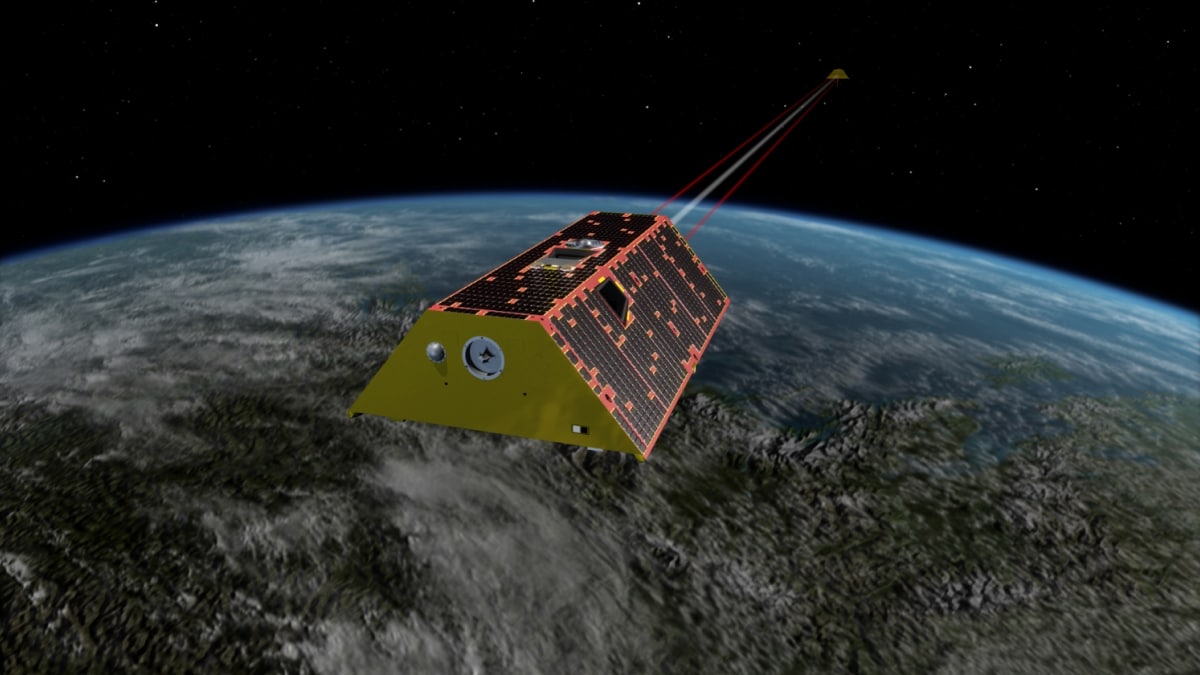
NASA and German Satellites Show Global Freshwater Levels Have Been Dropping Since 2014

Global freshwater reserves have been on a steady decline since May 2014, according to a comprehensive study conducted by an international team using NASA and German satellites. Data from the Gravity Recovery and Climate Experiment (GRACE) mission revealed a marked reduction in the amount of freshwater stored on land, including in lakes, rivers, and underground aquifers. The findings, published in Surveys in Geophysics, suggest that this ongoing decrease may signal a shift towards drier conditions worldwide, affecting regions from Asia to North America.

The study quantified the loss of freshwater between 2015 and 2023, revealing a decrease of 290 cubic miles compared to the average levels recorded from 2002 to 2014. This loss is more than twice the volume of Lake Erie, a startling statistic that underscores the severity of the situation. Contributing factors to this freshwater reduction include prolonged droughts and the growing reliance on groundwater for agricultural and urban needs. The overuse of groundwater, particularly for irrigation and drinking water, depletes reserves faster than they can be naturally replenished. A 2024 United Nations report warned of the societal risks posed by these diminishing water supplies, including famine, poverty, and the increased reliance on unsafe water sources.

In addition to human activities, the effects of climate change are also playing a significant role in the depletion of freshwater. Rising global temperatures are exacerbating the loss of water by intensifying evaporation and increasing the atmosphere’s capacity to hold moisture. According to Michael Bosilovich, a meteorologist at NASA Goddard, this leads to more extreme rainfall events, but these are often interspersed with longer dry periods that reduce soil absorption. This cycle of extreme weather patterns results in more frequent and severe droughts, further aggravating water shortages.

The implications of these findings are profound, signaling not only a decrease in available freshwater but also potential consequences for agriculture, ecosystems, and human health. As the global population continues to grow and climate change accelerates, the management and conservation of freshwater resources will become ever more critical in ensuring a sustainable future.