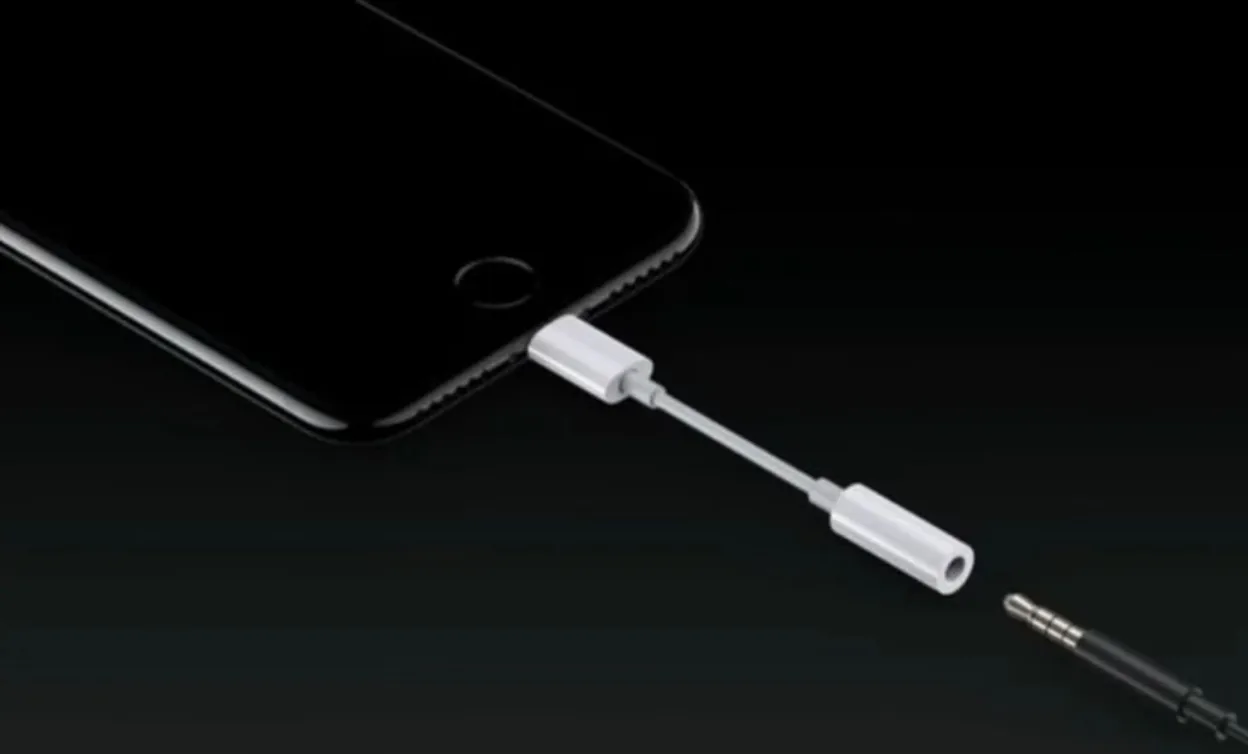
Apple Set to Phase Out Lightning to 3.5mm Headphone Jack Adapter, Report Claims

Apple is reportedly planning to discontinue its Lightning to 3.5mm headphone jack adapter, following the company’s broader shift to USB Type-C across its devices. This move aligns with Apple’s recent transition in the iPhone 15 series, where it adopted USB Type-C to comply with the European Union’s new regulations. The adapter, which was originally designed to let users connect traditional wired headphones to devices lacking a 3.5mm headphone jack, has been a part of Apple’s accessory lineup for years. As Apple continues to phase out the Lightning port, it seems this accessory is next on the chopping block.

Adapter’s Availability and Discontinuation

According to a report from MacRumors, Apple’s Lightning to 3.5mm headphone jack adapter is no longer available for purchase in the U.S. Apple’s official online store has listed the accessory as “sold out” in multiple regions, suggesting that the company is either no longer producing new units or is clearing out its remaining stock. The report further suggests that in countries where the adapter is still in stock, it may only be available until the existing inventory runs out. This marks the end of an era for Apple users still relying on the older Lightning interface for audio connectivity.

Impact on Consumers and Transition to USB-C

Apple’s decision to phase out the adapter is another indicator of its commitment to moving away from the Lightning port entirely. With the iPhone 15 series now featuring USB-C, users are expected to gradually adapt to the new standard for charging and data transfer. For users who still rely on older headphones with a 3.5mm jack, this discontinuation might push them towards Bluetooth alternatives or USB-C headphones, both of which offer improved audio quality and convenience. Additionally, as USB-C becomes the universal charging standard, this could simplify the accessory ecosystem for consumers.

Where to Find the Adapter Now

Despite its removal from Apple’s official store, the Lightning to 3.5mm adapter can still be found on third-party e-commerce platforms like Amazon. These listings are likely to be among the last available stock of the accessory. For users who want to continue using their wired headphones with Apple devices featuring only a USB-C port, alternatives will need to be explored. Many third-party manufacturers are already offering similar adapters, and Apple may even offer a USB-C to 3.5mm adapter as a replacement in the future.

Looking Ahead

As Apple moves toward a USB-C ecosystem, the discontinuation of the Lightning to 3.5mm adapter may not come as a surprise. However, for users who have been accustomed to Apple’s proprietary Lightning accessories, this shift could mark the end of an era. The transition to USB-C, though beneficial for standardization, may pose some challenges for those with older audio equipment or accessory collections. Still, the shift reflects Apple’s ongoing efforts to streamline its product offerings while adhering to international regulatory demands and industry standards.
Google Pixel Tablet 2 Features Leaked: Enhanced SoC and Upgraded Camera Expected

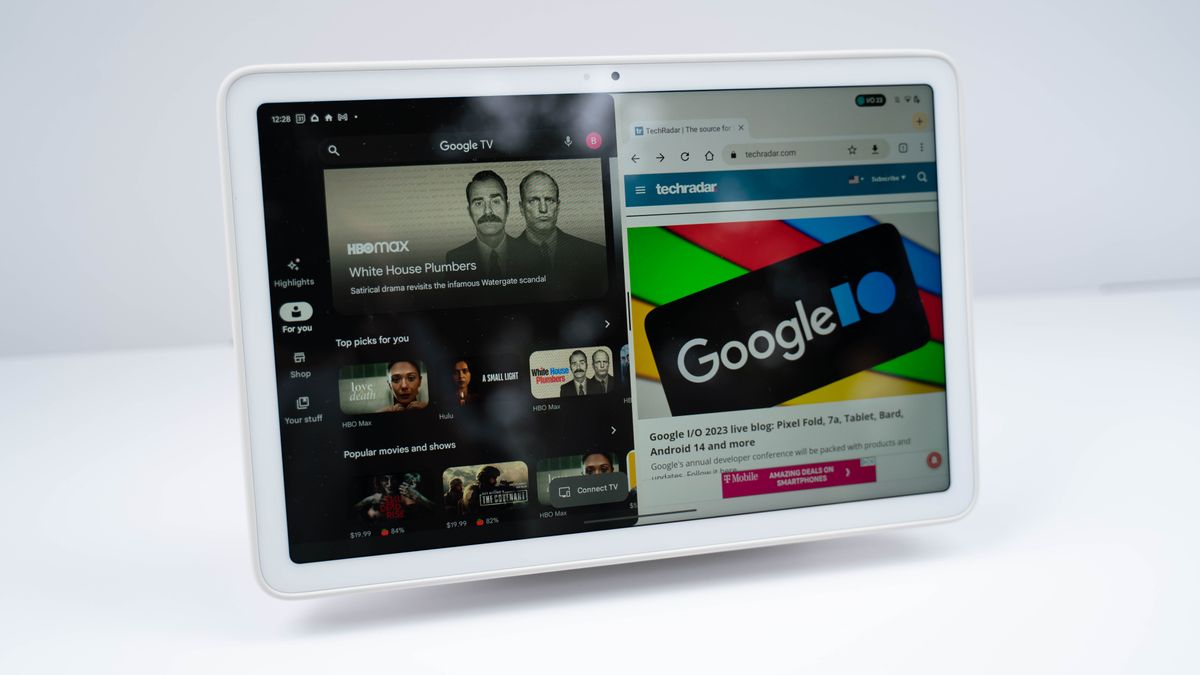
The Google Pixel Tablet 2 is expected to be released soon, and while Google has yet to make an official announcement, details about the upcoming tablet have already begun to surface. These early leaks indicate that the second-generation device could feature several key upgrades over its predecessor. Among the expected improvements are a more powerful chipset, camera enhancements, and new accessories that could broaden the device’s functionality, including a keyboard cover. While the overall design may remain similar to the current version, these updates could make the Pixel Tablet 2 a compelling option for users seeking a more powerful, versatile tablet.

Improved Performance with a New SoC

One of the major upgrades expected in the Pixel Tablet 2 is the inclusion of a new chipset. The original Pixel Tablet was powered by the Google Tensor G2, but the Pixel Tablet 2 may feature a more advanced SoC, likely improving overall performance, processing power, and energy efficiency. This chipset upgrade would enable faster multitasking, smoother gaming experiences, and better AI-driven features, aligning with the increasing demand for more robust performance in tablets.

Camera Upgrades for Better Photography

The camera on the Pixel Tablet 2 is also expected to receive significant improvements. While the original Pixel Tablet featured an 8MP front and 8MP rear camera, the new version may see either larger sensors or an entirely new camera setup to enhance the quality of photos and videos. Although the specific details are not yet clear, these upgrades could offer sharper images, better low-light performance, and an overall improvement in the tablet’s camera capabilities, making it a more versatile tool for content creation and video calls.

Keyboard and Stylus Support

Another exciting development for the Pixel Tablet 2 is the potential introduction of keyboard support. The tablet is rumored to come with a keyboard cover that attaches to the device via pogo pins on the back. This feature could enhance productivity by making the Pixel Tablet 2 a more efficient device for typing, editing documents, and managing tasks. Additionally, there are speculations that Google might finally launch a stylus designed specifically for the tablet. Although the company had previously been rumored to be working on a stylus for the original model, the accessory was never released. If the stylus becomes available with the Pixel Tablet 2, it could provide users with a more interactive experience, particularly for artists, designers, and note-takers.

Design and Other Features

While the Pixel Tablet 2 is expected to retain a similar design to the current model, Google might introduce subtle design tweaks to improve ergonomics, display quality, or durability. The device is expected to run Android 14 and will likely continue offering the tight integration with Google services that has made the Pixel series popular. With improved performance, enhanced camera features, and more accessory options, the Pixel Tablet 2 has the potential to make a significant impact in the tablet market when it launches. As the official release date approaches, more details about the tablet’s full feature set are expected to emerge, giving users a clearer picture of what to expect.

Apple Exploring Development of Own TV Set and New Smart Home Devices, Says Mark Gurman

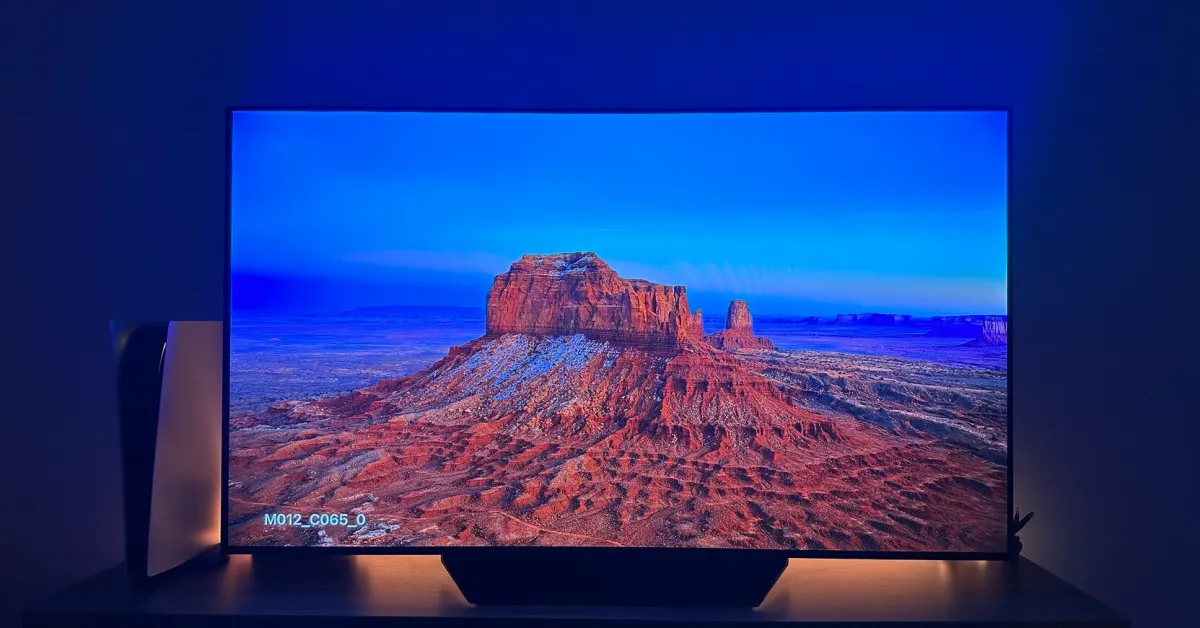
Apple is reportedly exploring the possibility of creating its own branded TV set, a move that could significantly impact the competitive landscape of smart televisions. In his latest Power On newsletter, Bloomberg’s Mark Gurman revealed that the tech giant is evaluating the development of an Apple-branded TV. While the company has yet to make any official announcements, this potential venture would see Apple stepping into direct competition with established TV manufacturers. Apple currently offers the Apple TV set-top box, which runs tvOS, but it has never launched its own TV set to integrate this platform.

Apple TV Set: Competing with Industry Giants

Gurman’s newsletter mentions that Apple’s evaluation of a TV set is in the early stages, suggesting that the company may still be fine-tuning its plans. However, the potential for an Apple-branded TV would place the company directly in competition with leading brands like Samsung, LG, and Sony, all of which dominate the global television market. Apple’s entry into this space could lead to new innovations, especially given the company’s history of integrating cutting-edge technology and seamless user experiences across its devices. It would also mark an extension of Apple’s ecosystem, potentially offering tighter integration between the TV set, the Apple TV+ streaming service, and other Apple products.

Smart Home Devices in Development

The potential TV set is said to be part of a broader strategy that includes several smart home devices currently under development by Apple. Gurman previously reported that Apple is working on a wall-mounted smart home hub, which would serve as a control center for managing various devices in the home. This hub could include features like video calling and act as an all-in-one device to control Apple’s growing smart home ecosystem. If the TV set is launched, it may integrate seamlessly with this hub, creating a more connected and streamlined user experience for those already within the Apple ecosystem.

Past Rumours of Apple’s TV Ambitions

This isn’t the first time that rumors of an Apple TV have emerged. Back in 2009, the company was allegedly working on an actual television set, but those plans were reportedly shelved in favor of focusing on the Apple TV set-top box. With the current surge in demand for smart home devices and the expansion of streaming services like Apple TV+, the company might see this as the right time to revisit those ambitions. The development of such a device would signal Apple’s commitment to making its products even more integral to consumers’ homes, expanding beyond just phones and computers.

What This Means for Apple’s Future in Home Technology

Should Apple proceed with the development of its own TV set, it would represent a significant shift in the company’s approach to consumer electronics. Known for its premium design and intuitive interfaces, Apple could bring something new to the TV market, incorporating features that blend both entertainment and smart home control. The company’s strong focus on privacy, security, and user experience could set it apart from existing TV makers and position Apple as a major player in the smart home and entertainment sectors in the years to come.