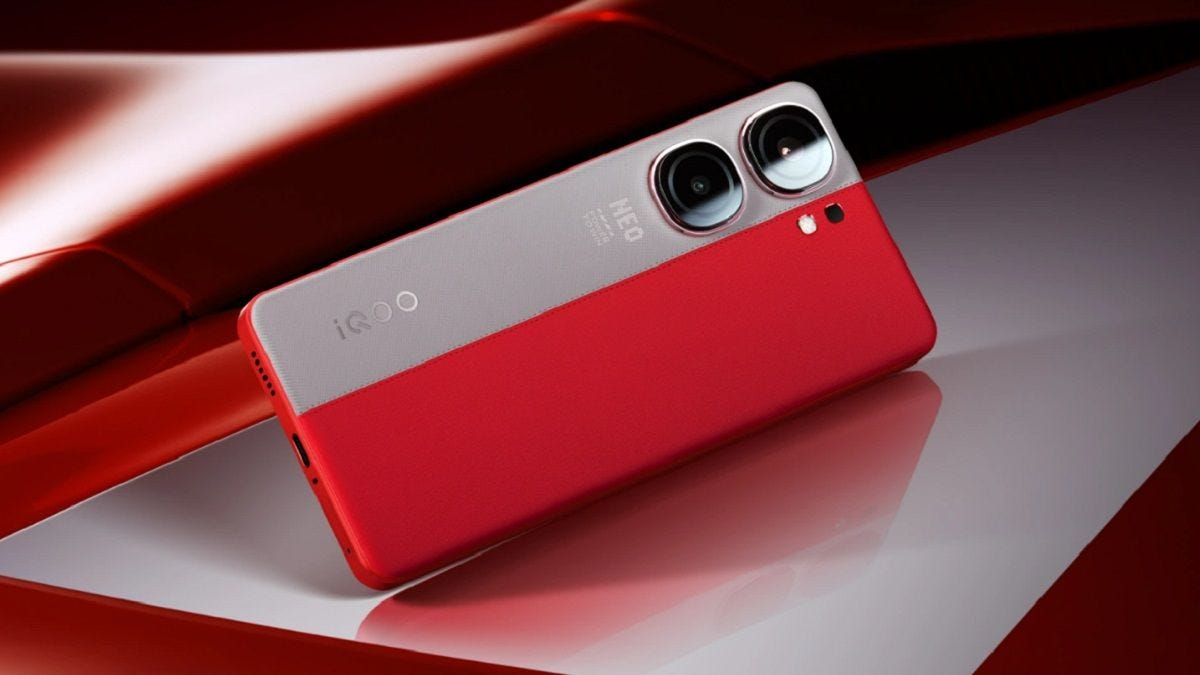
iQOO Neo 10 Pro Set to Launch in China on November 29 with MediaTek Dimensity 9400 SoC

The iQOO Neo 10 series is set to make its official debut in China this month, with two models confirmed: the iQOO Neo 10 and the iQOO Neo 10 Pro. iQOO has been gradually revealing key details about the devices, particularly the Pro variant, which is powered by a flagship MediaTek chipset. This SoC is built using TSMC’s advanced fabrication process, promising top-tier performance and energy efficiency. Alongside hardware specifications, the company has also disclosed the series’ launch date, available colour options, and exclusive pre-order benefits for early buyers.

In a recent announcement on Weibo, iQOO confirmed that the Neo 10 series will launch in China on November 29 at 4 pm local time (approximately 3:30 am IST). The launch event is expected to showcase the cutting-edge features of the new lineup, aimed at tech enthusiasts and gamers alike. The smartphones will be available in three striking colourways: black, orange, and white, catering to diverse style preferences.

To generate excitement ahead of the launch, iQOO has introduced attractive pre-reservation offers. Customers can pre-book the iQOO Neo 10 series at a price of CNY 2267 (approximately Rs. 26,000) and enjoy added perks. These include a complimentary Bluetooth speaker, customised tempered glass for screen protection, and enhanced trade-in offers for older devices. These incentives are designed to make the purchase more appealing, especially for loyal iQOO customers and early adopters.

With the inclusion of a flagship MediaTek chipset, bold colour options, and enticing pre-order bonuses, the iQOO Neo 10 series is shaping up to be a compelling contender in the mid-to-premium smartphone segment. As the November 29 launch date approaches, all eyes will be on iQOO to see how these devices perform in the competitive Chinese market and whether they set a new benchmark for performance and value.

Realme GT 7 Pro Indian Model to Debut with Reduced 5,800mAh Battery Capacity

Realme is gearing up to launch the Realme GT 7 Pro in India on November 26, shortly after its debut in the Chinese market. The company has been teasing key specifications of the device on its social media channels, creating significant buzz among tech enthusiasts. Among the details revealed, the Indian variant of the Realme GT 7 Pro is confirmed to feature a smaller battery capacity compared to the model released in China. This revelation has sparked curiosity among potential buyers about the reasoning behind this regional adjustment.

In a recent post on X (formerly known as Twitter), Realme India disclosed that the Realme GT 7 Pro will come with a 5,800mAh battery for the Indian market. This is notably smaller than the 6,500mAh battery featured in the Chinese variant of the smartphone, marking a reduction of approximately 700mAh. While the company has not explained the rationale for this difference, it could be tied to manufacturing constraints, regional usage patterns, or an effort to reduce the overall weight and dimensions of the Indian model.

Apart from the battery capacity, Realme has also teased other specifications of the GT 7 Pro. The handset is expected to be powered by a top-tier chipset, offering robust performance for gaming and multitasking. Additionally, the device is likely to feature a premium build quality and an advanced camera system, positioning it as a flagship contender in the Indian market. With fast charging technology included, the smaller battery may not significantly impact the user experience, as quick refueling could compensate for the reduced capacity.

The launch of the Realme GT 7 Pro in India comes at a time when the competition in the premium smartphone segment is heating up. Realme’s strategy to tweak the specifications for the Indian market reflects its focus on catering to local consumer preferences while maintaining competitive pricing. As the November 26 launch date approaches, more details about the device are expected to surface, setting the stage for its official debut and giving tech enthusiasts a clearer picture of what to expect.

NASA Teams Up with Microsoft to Launch Earth Copilot AI for Easier Earth Data Access

NASA, in partnership with Microsoft, has unveiled Earth Copilot, an AI-powered tool designed to simplify access to complex Earth science data. This innovative chatbot leverages artificial intelligence to interpret and summarise NASA’s vast geospatial datasets, making them easier for the public to understand and utilise. By providing answers to user queries on topics like air quality changes or the environmental effects of natural disasters, Earth Copilot bridges the gap between NASA’s scientific expertise and users who may lack technical knowledge. The tool’s primary aim is to democratise access to data, empowering a broader audience to engage with Earth science insights.

This initiative aligns with NASA’s broader mission to make its scientific resources more widely accessible. Tyler Bryson, Corporate Vice President for Health and Public Sector Industries at Microsoft, highlighted the challenges many users face in navigating NASA’s technical databases. These repositories often require advanced geospatial knowledge to extract meaningful insights. Earth Copilot addresses this issue by harnessing AI to deliver concise, accurate answers within seconds, removing barriers that previously limited access to critical Earth science information.

Currently, Earth Copilot is undergoing rigorous testing by NASA scientists and researchers to ensure its accuracy and reliability. Once validated, the tool will be integrated into NASA’s existing Visualisation, Exploration, and Data Analysis (VEDA) platform. VEDA is already a hub for public access to NASA’s datasets, and Earth Copilot’s capabilities could significantly enhance the platform’s usability, especially for non-expert users seeking quick and straightforward insights from complex data.

By merging cutting-edge AI with NASA’s unparalleled Earth science expertise, Earth Copilot represents a major step forward in data accessibility. The tool not only simplifies the way users interact with scientific data but also supports NASA’s goal of fostering a more informed and engaged global community. Whether for researchers, policymakers, or curious individuals, Earth Copilot has the potential to transform how people explore and understand the dynamic changes happening on our planet.