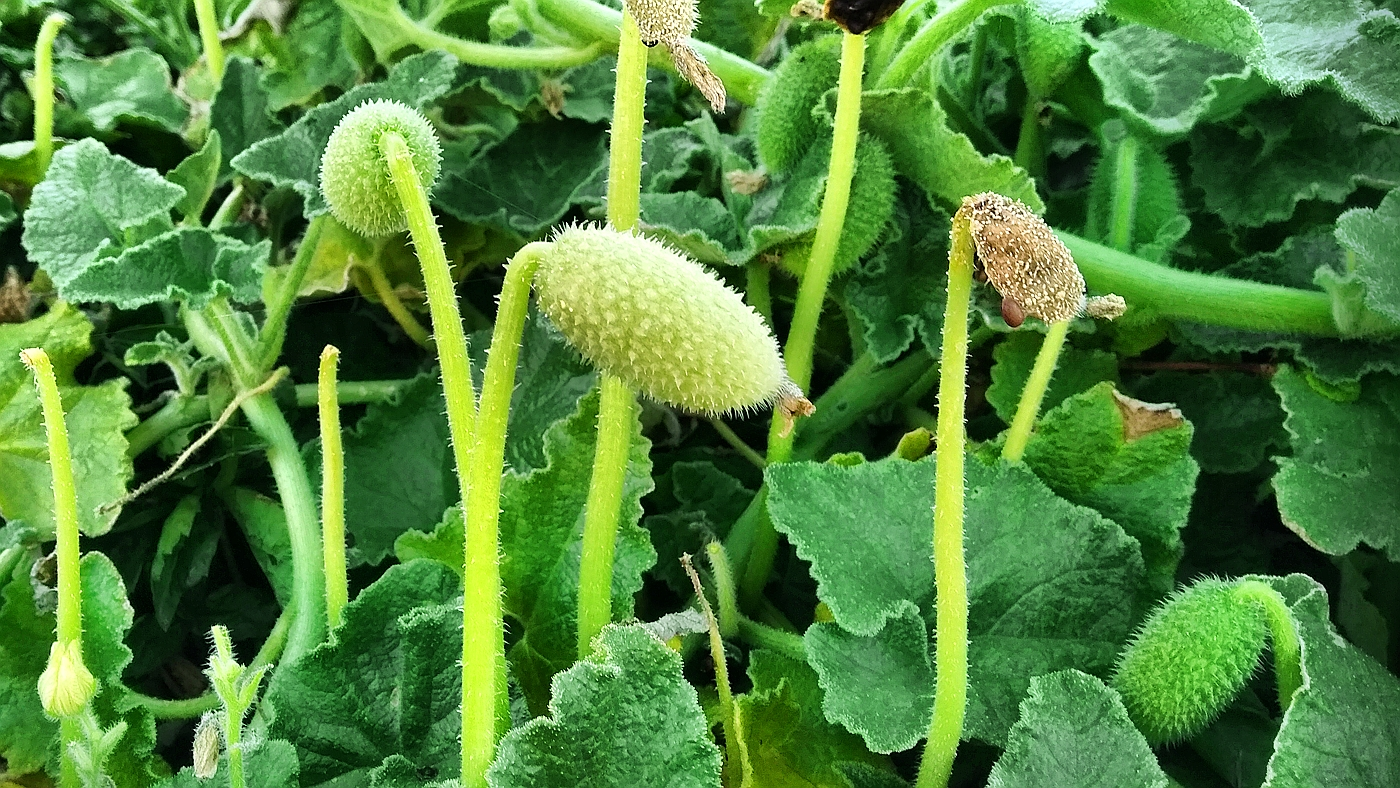
Scientists Solve the Mystery of the Squirting Cucumber’s Explosive Seed Dispersal

For centuries, the squirting cucumber has fascinated naturalists with its explosive method of seed dispersal. This peculiar plant, scientifically known as Ecballium elaterium, ejects its seeds at astonishing speeds, with some traveling up to 33 feet (10 meters). Researchers have finally uncovered the mechanics behind this rapid and ballistic seed release, solving a mystery that dates back to Ancient Rome.

The squirting cucumber, when ripe, measures about 1.6 inches (4 centimeters) long and, upon falling from its stem, launches seeds at speeds of around 45 miles per hour (20 meters per second). The eruption lasts only 30 milliseconds, making it a truly remarkable phenomenon. Though the plant is found in regions across the Mediterranean, northern Africa, and parts of North America, its seed propulsion is unlike that of any other member of the gourd family.

Pliny the Elder, the Roman naturalist, was the first to document the cucumber’s explosive seed release, noting the potential danger it posed to eyes. In the 19th century, scientists suspected that high internal pressure played a role in the eruption, but the specific mechanisms were not well understood—until now.

Using high-speed video, CT scans, time-lapse photography, and 3D modeling, researchers have identified that the squirting mechanism involves more than just a buildup of fluid pressure. The process is shaped by a combination of factors, including physical changes in the plant’s structure leading up to the moment of seed release.

Dr. Angela Hay, a research leader at the Max Planck Institute, emphasized that optimal seed dispersal involves more than just pressure. The study reveals that it’s a trade-off between the buildup of fluid pressure and other physical transformations that allow the fruit to eject its seeds at an optimal angle and distance.

Study coauthor Dr. Derek Moulton, a mathematics professor at the University of Oxford, was introduced to the squirting cucumber in 2022 by Dr. Chris Thorogood, a botanist. After observing the cucumbers in action, the researchers used advanced imaging techniques to capture the seed launches in detail. Moulton described how, when ripe, even a gentle touch on the fruit could trigger the explosive release.

The research team’s detailed study showed that, prior to the explosion, the fruit swelled with fluid, which also thickened the stem, causing it to stiffen and tilt the fruit to an angle of about 45 degrees. This angle, rather than a vertical launch, is ideal for ejecting seeds over a greater distance. Furthermore, as the fruit detached from the stem, the stem’s contraction caused the fruit to spin, creating a wider dispersal arc for the seeds.

This complex process ensures that the seeds are not only launched far but are also spread across a broader area, improving the chances that some will successfully germinate.

Dr. Hay remarked that studying outliers like the squirting cucumber can provide valuable insights into plant behavior that more conventional models may not reveal. The discovery also highlights that plants can perform extraordinary feats, challenging the notion that they are passive organisms.

Moulton expressed his satisfaction with the project, saying, “How many people have ever associated cucumbers with rapid motion? It’s been fascinating to uncover the mechanism behind this explosive cucumber.”

 

New International Airport in Nuuk Set to Boost Greenland’s Tourism

Greenland, long known for its vast icy landscapes and remote location, is about to become much more accessible with the opening of its new international airport in the capital city of Nuuk on November 28. This new airport features a 2,200-meter (7,217-foot) runway that will allow larger planes to connect the Arctic region with the rest of the world, reducing its isolation.

Starting in June, United Airlines will offer seasonal nonstop flights from Newark, New Jersey, to Nuuk, with the flight taking just over four hours. This marks a significant step forward in Greenland’s tourism potential, already drawing around 130,000 visitors each year via cruise ships and smaller flights. Officials are optimistic about growing visitor numbers while aiming to manage the influx carefully to avoid overwhelming the region.

Before the new airport’s opening, travelers could only fly into smaller airports like Kangerlussuaq or Narsarsuaq, both former U.S. military bases from World War II that could accommodate larger planes. The new Nuuk airport will serve as a hub for Air Greenland, which will operate Airbus A330neo flights to Copenhagen and other destinations, including Reykjavik, Iceland. The facility is designed to handle up to 800 passengers an hour.

Jens Lauridsen, CEO of Greenland Airports, believes the new airport will significantly boost tourism and the local economy. He estimates each flight could contribute $200,000 to Greenland’s economy. Lauridsen reminds potential visitors that Greenland offers a unique and adventurous tourism experience, as it is located in the Arctic.

Qupanuk Olsen, Greenland’s most prominent content creator with over 400,000 YouTube followers, is particularly excited about the new airport and plans to be on the first flight arriving at Nuuk. “It’s going to be amazing,” she says.

Anne Nivíka Grødem, CEO of Visit Greenland, sees the new airport as a milestone for the country’s tourism sector. “Tourism can drive meaningful change,” she notes, emphasizing the need to balance local opportunities with sustainable growth.

In addition to the Nuuk airport, Greenland is set to open two more airports by the end of 2026, in Ilulissat and Qaqortoq. Despite having only about 56 miles (90 kilometers) of paved roads, Greenland’s new airports will make travel within the country more accessible, helping to open up the region and offer a transformative experience for both locals and tourists.

“We want visitors to come with an open mind and a spirit of adventure,” says Grødem. “Greenland offers a chance to reconnect with nature and yourself.”


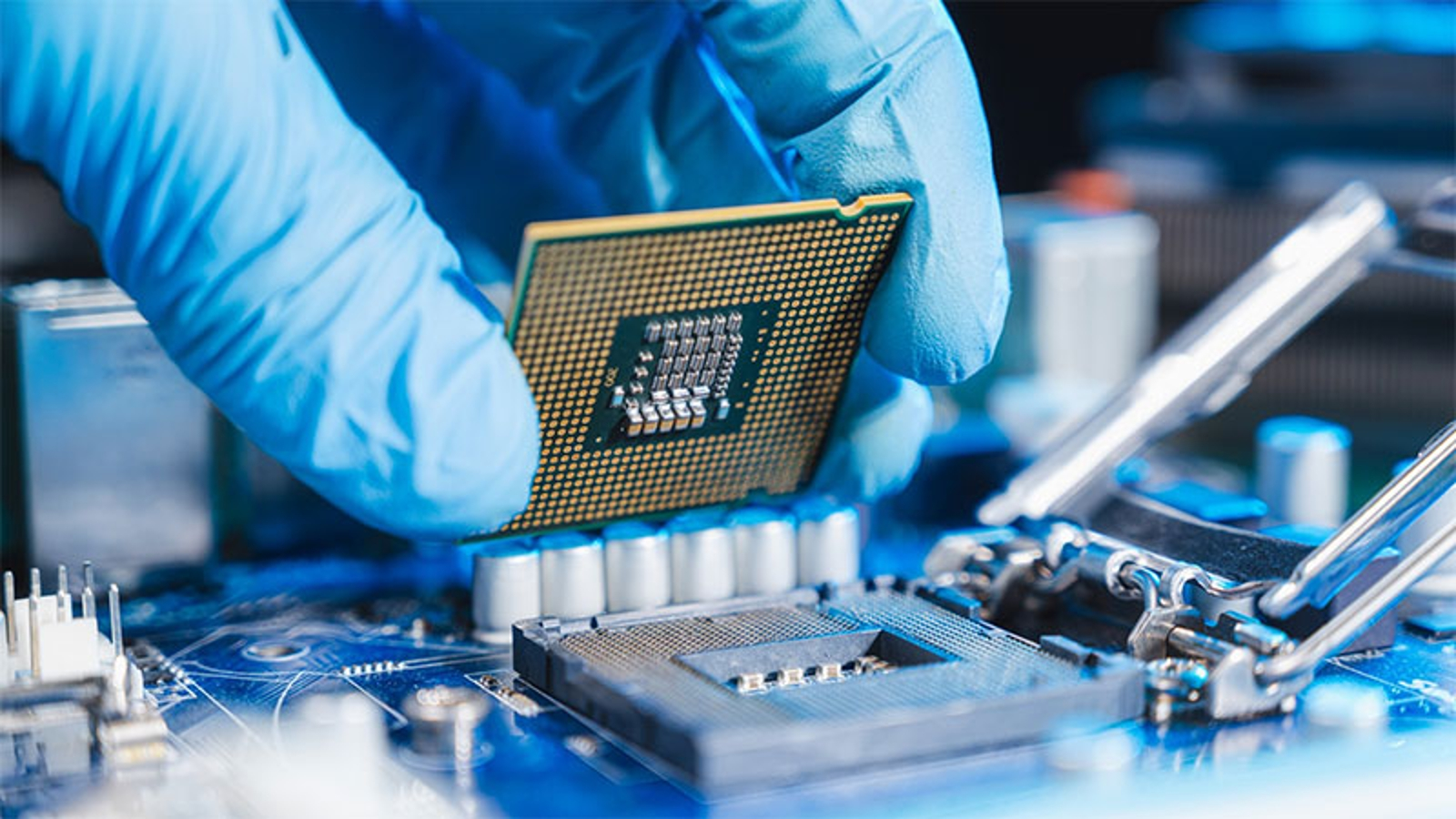
Shares of Key Chip Suppliers Jump as U.S. Considers Milder China Sanctions

Shares of global semiconductor equipment suppliers surged on Thursday following reports that the U.S. is revising its proposed sanctions on China’s chip industry, potentially implementing less restrictive measures than previously planned.

ASML, a Dutch semiconductor equipment manufacturer, saw its shares rise by approximately 4.3% in early trading in Europe. Similarly, Japan’s Tokyo Electron saw a more than 6% increase in its share price.

According to a Bloomberg report, the U.S. government is contemplating new restrictions on the sale of semiconductor equipment and AI memory chips to China, but these measures are expected to be less severe than earlier proposals.

The U.S. Commerce Department’s Bureau of Industry and Security did not provide an immediate comment regarding the Bloomberg article.

One significant shift in the proposed measures is the decision not to add certain Chinese companies to the U.S. export blacklist, known as the Entity List. Among the companies not affected is ChangXin Memory Technologies, a Chinese memory manufacturer that competes with major global players like SK Hynix and Samsung.

For ASML, analysts at Jefferies noted that the company had previously forecast a 30% revenue decline from China next year due to restrictions. However, the exclusion of ChangXin from the export blacklist could result in a smaller-than-expected decline in ASML’s Chinese sales for 2024.