

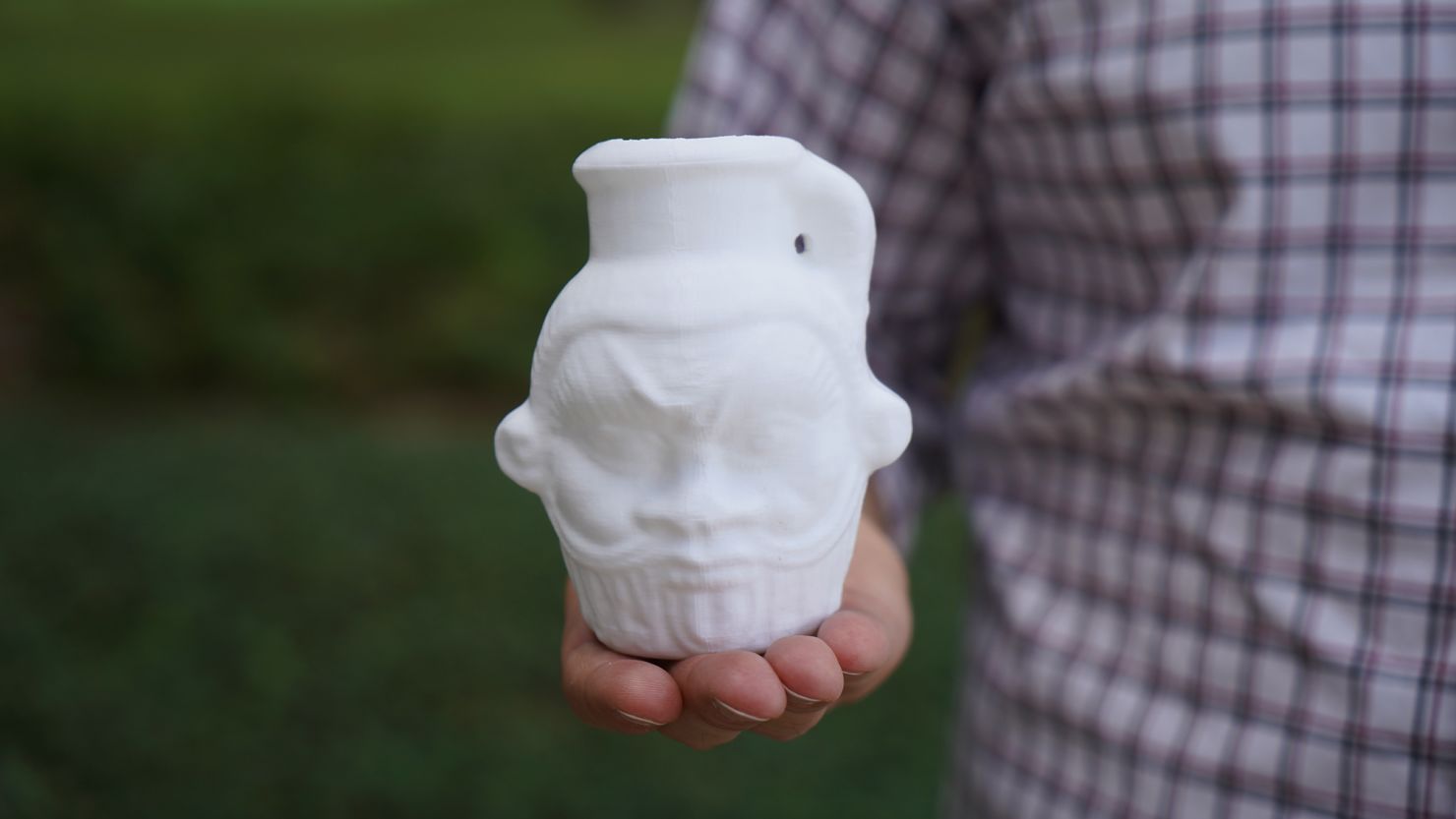
A groundbreaking discovery has been made regarding an ancient Egyptian vase, which has revealed surprising evidence of hallucinogenic rituals. The vase, dating back 2,200 years, features a depiction of Bes, a dwarf deity commonly associated with childbirth and joy. According to a recent study published in Scientific Reports on November 13, the vase was likely used in religious ceremonies to recreate a myth involving the calming of the sky goddess. The vessel, now housed in the Tampa Museum of Art, was subjected to cutting-edge chemical analyses, including DNA extraction and infrared spectroscopy, which unveiled intriguing traces of psychotropic substances.
Chemical analysis of the vase’s contents showed traces of wild rue, Egyptian lotus, and Cleome plant—each of which is known to have mind-altering effects. These findings suggest the vessel was used to prepare a hallucinogenic beverage. Additionally, common food ingredients such as sesame seeds, pine nuts, and grapes were found, which researchers believe could have been intentionally added to mimic the appearance of blood. Further analysis also uncovered traces of human saliva and blood, which may indicate that the drink was consumed during ritualistic practices. The evidence strongly suggests the beverage was part of reenactments of the “Myth of the Solar Eye,” in which Bes pacifies the bloodthirsty goddess Hathor using a blood-like concoction.
The vase’s role may extend beyond the ritualistic. Researchers speculate that it could have been used in oracular practices tied to the cult of Bes, particularly in the Bes-Chambers at Saqqara, where individuals sought prophetic visions. The beverage may have played a key role in inducing trance-like states, allowing for dream interpretations that were believed to predict future events. Branko van Oppen, a curator at the Tampa Museum of Art and co-author of the study, suggests that the combination of ingredients found in the vase could also have been used in childbirth-related rituals, potentially even for predicting pregnancy outcomes.
This remarkable find opens a new window into understanding ancient Egyptian spiritual practices. It underscores how religious rituals were deeply intertwined with both symbolic storytelling and the use of psychoactive substances, offering a richer understanding of the ancient world’s relationship with the divine, the supernatural, and human consciousness.
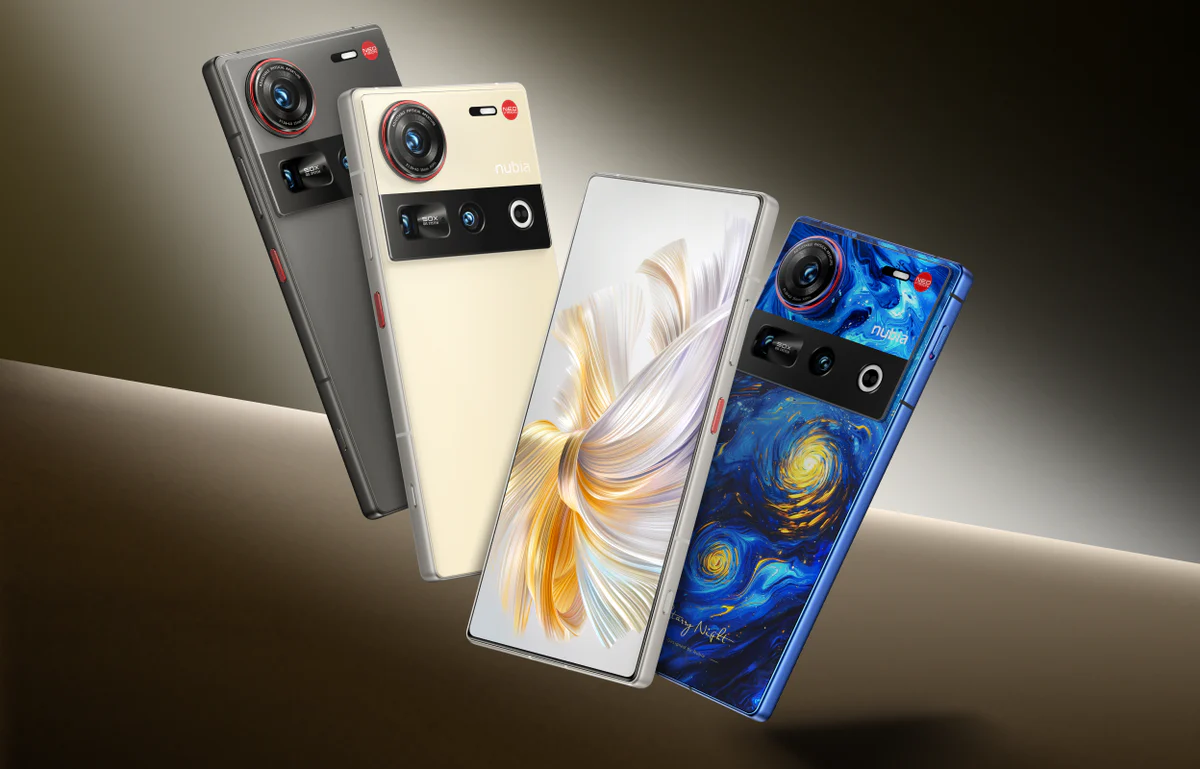
The Nubia Z70 Ultra is set to make its debut in China in the coming days, with the ZTE sub-brand gradually revealing key details about its much-anticipated flagship smartphone. Nubia has teased the phone’s design and several of its standout features through a series of posts on Weibo. As part of the company’s reveal, it has confirmed that the device will come in three distinct color options and will be equipped with robust IP68 and IP69 ratings, ensuring resistance against both dust and water. This makes it a solid option for users who need a high-performance phone with durability.
The Nubia Z70 Ultra will sport a 6.85-inch 1.5K display that promises a vibrant and immersive viewing experience, offering a larger screen size without the distraction of a notch or hole for the front-facing camera. The official images released on Weibo show the phone in three colors: Amber, Black Seal, and Starry Sky Collection, all of which feature thin bezels for a sleek, modern look. The overall design draws inspiration from the Nubia Z60 Ultra, but with some key changes, such as a repositioned main rear camera and a slightly smaller camera housing.
A major highlight of the Nubia Z70 Ultra is its camera system. The main rear camera has been repositioned to the top-left corner of the back panel for a more balanced design. It features a variable aperture ranging from f/1.59 to f/4.0, allowing for enhanced low-light performance and more creative control over depth of field. This makes the Z70 Ultra an appealing choice for mobile photographers who want versatility in their shots. Additionally, the phone will be powered by the Snapdragon 8 Elite Extreme Edition chipset, ensuring excellent performance across a variety of tasks, from gaming to multitasking.
While detailed battery specifications have yet to be fully disclosed, the Snapdragon 8 Elite Extreme Edition chipset hints at top-tier performance in areas like processing power, AI capabilities, and energy efficiency. The high-end chipset is expected to provide smooth performance for heavy applications and gaming, paired with a battery optimized for longer use. Given Nubia’s track record with flagship devices, the Z70 Ultra is also likely to come with fast-charging capabilities, ensuring minimal downtime between uses.
The official launch of the Nubia Z70 Ultra is scheduled for November 21, and it is expected to hit shelves in China soon after. With its impressive design, powerful performance, and durable build, the Z70 Ultra is poised to make a strong impression in the competitive smartphone market. The three color options should appeal to a variety of tastes, while the robust specs make it a worthy contender in the premium smartphone segment.