
Harris and Trump Make Final Push in Battleground States as Election Day Nears

With only days left until the election, Democratic candidate Kamala Harris campaigned in Michigan on Sunday, while Republican candidate Donald Trump focused on eastern battleground states, hoping to secure votes from key demographics. Polls reveal an intensely close race, with both campaigns uncertain about the outcomes in seven critical states that could decide the election.

Notably, a recent poll suggested Harris is leading in Iowa—a state Trump comfortably won in previous elections—raising the possibility of unexpected results. However, another poll shows her trailing there, indicating that the race remains fluid. In Michigan, a state deemed essential for Democrats, Harris campaigned in East Lansing, a college town with significant electoral weight. However, she faces skepticism from Michigan’s sizable Arab American community, which numbers around 200,000. Many in this group express frustration that the vice president has not done more to address the war in Gaza or reduce U.S. aid to Israel. Trump, who visited Dearborn on Friday, home to Michigan’s Arab American community, pledged to end U.S. involvement in Middle Eastern conflicts.

Trump’s Sunday itinerary includes rallies in three smaller cities: Lititz, Pennsylvania; Kinston, North Carolina; and Macon, Georgia. Each stop targets rural voters, who remain a core part of his base. Notably, it is the first day since last Tuesday that Harris and Trump will not campaign in the same state. On Saturday, their paths intersected in Charlotte, North Carolina, with both candidates holding rallies at the same airport. Harris later appeared on “Saturday Night Live” in a surprise New York appearance.

In her closing campaign messages, Harris has been focused on addressing inflation, promising voters she will tackle the cost-of-living issues that have burdened Americans in recent years. She has also criticized Trump as divisive and dangerous, calling on voters to reject his approach to politics. “We have an opportunity in this election to turn the page on a decade of Donald Trump trying to keep us divided and afraid of each other. We’re done with that,” Harris said in Charlotte.

Trump, on the other hand, has targeted Harris over her role as vice president, pointing to the current administration’s challenges with inflation and immigration. On Saturday in Greensboro, North Carolina, he framed these issues as threats to American stability, declaring that illegal immigrants would only receive “a free ride back home.”

With an estimated 75 million votes already cast, nearly half of the total turnout from the 2020 election, early voting has been robust. However, a clear result may not emerge immediately, as several states, including Pennsylvania, may require additional time to count mail-in ballots.

 

Huawei Nova 13 and Nova 13 Pro Unveiled with 60-Megapixel Front Cameras: Pricing and Specs Revealed

The Huawei Nova 13 series made its debut in China on Tuesday, showcasing two impressive models: the Huawei Nova 13 and the Nova 13 Pro. These smartphones are designed for high performance, featuring the powerful Kirin 8000 chipsets coupled with a substantial 12GB of RAM. Both models are backed by robust 5,000mAh batteries that support rapid 100W wired fast charging, ensuring users can stay powered up throughout the day. The camera capabilities of the Nova 13 series are noteworthy, with a 50-megapixel main camera and a remarkable 60-megapixel front-facing camera for stunning selfies. The Pro variant further enhances its photographic prowess with an additional 12-megapixel telephoto lens offering 3x optical zoom, making it an excellent choice for photography enthusiasts.

In terms of software, the Nova 13 series runs on Huawei’s latest HarmonyOS 4.2, which is built on top of Android 14. This operating system introduces the Da Vinci Portrait Engine 2.0, enhancing the camera experience with advanced features for portrait photography, allowing users to capture images with professional-quality effects and details. The integration of these technologies indicates Huawei’s commitment to providing a seamless user experience while maintaining cutting-edge photographic capabilities.

The pricing structure for the Huawei Nova 13 series reflects its premium positioning in the market. The base model of the Nova 13 starts at CNY 2,699 (approximately Rs. 31,800) for the 12GB RAM and 256GB storage variant. Consumers looking for more storage can opt for the 512GB version at CNY 2,999 (around Rs. 35,400) or the top-tier 1TB variant priced at CNY 3,499 (approximately Rs. 41,300). This variety in storage options caters to different user needs, from casual users to those who require significant space for multimedia content.

For the Nova 13 Pro, the entry price is set at CNY 3,699 (roughly Rs. 43,600) for the base 256GB model. The 512GB and 1TB configurations are offered at CNY 3,999 (approximately Rs. 47,200) and CNY 4,499 (about Rs. 53,100), respectively. These prices place the Nova 13 Pro in the premium smartphone segment, appealing to consumers seeking high performance and advanced camera technology. Overall, the launch of the Huawei Nova 13 series highlights the brand’s innovative approach to smartphone design and functionality, setting a competitive tone in the market.

Google Pixel 9a Expected to Feature 48-Megapixel Main Camera from Pixel 9 Pro Fold

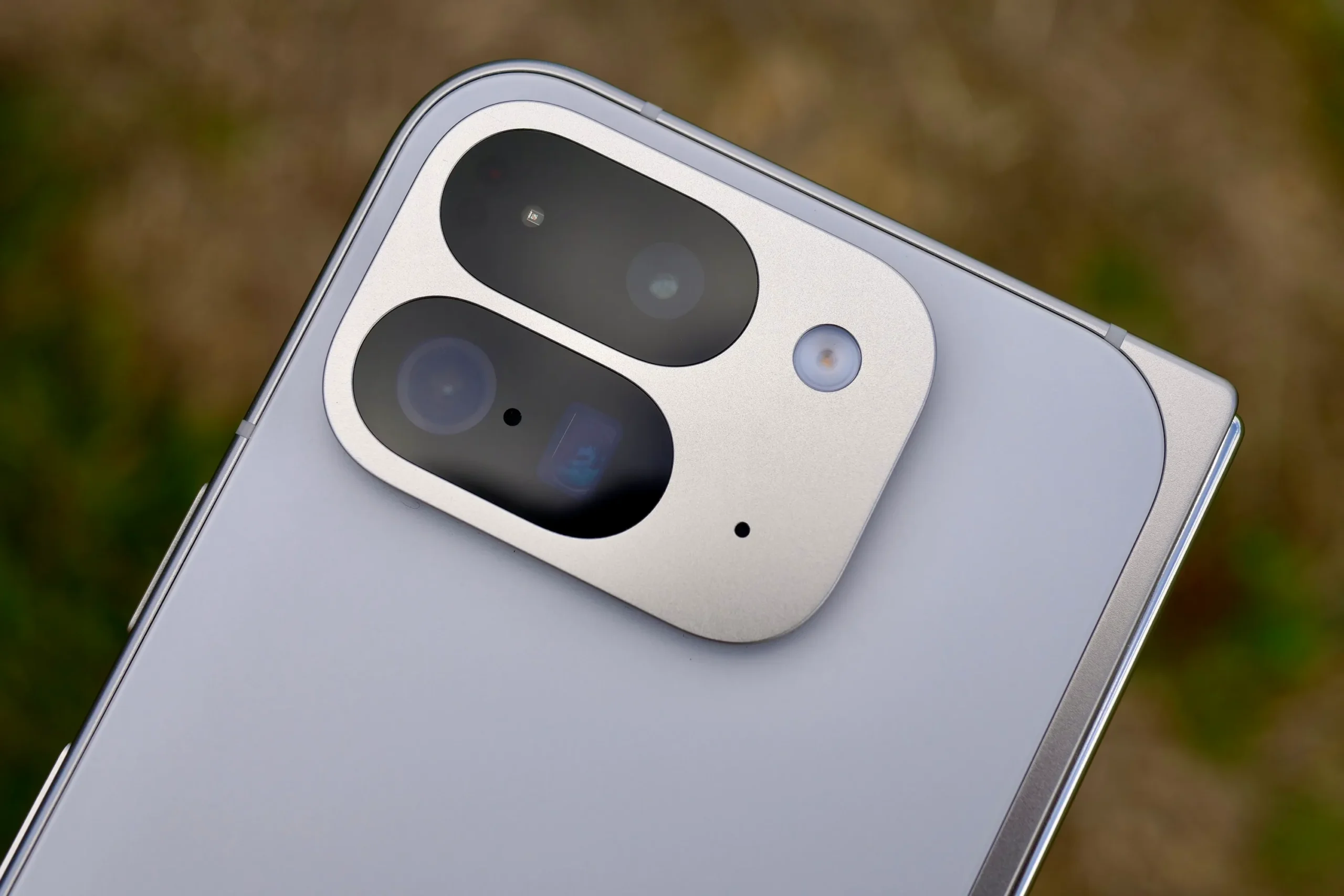
The Google Pixel 9a is anticipated to launch in early 2025, and it is generating buzz thanks to its rumored camera upgrades that promise to enhance the photography experience for mid-range smartphone users. Recent leaks indicate a departure from the Pixel 8a’s 64-megapixel primary sensor in favor of a new 48-megapixel camera. While this may seem like a step back in terms of megapixels, industry insiders believe that the new sensor, which is derived from the high-end Pixel 9 Pro Fold, will deliver improved image quality and performance, particularly in challenging lighting conditions.

One of the standout features expected in the Pixel 9a is its 48-megapixel primary camera, which is designed to offer superior photographic capabilities. Although it has a lower resolution than the previous models in the Pixel lineup, the new sensor’s larger aperture allows for more light intake, which is critical for producing clearer, more vibrant images. This shift highlights Google’s strategy of focusing on sensor quality and software optimization over sheer pixel count, a trend that reflects the evolving priorities of smartphone photography enthusiasts.

In addition to the main camera upgrade, the Pixel 9a is likely to retain the same 13-megapixel ultra-wide and selfie cameras as its predecessor. These specifications suggest that Google aims to provide a balanced photography experience across various shooting scenarios, enabling users to capture landscapes, portraits, and everyday moments with ease. Moreover, the inclusion of the ‘Add Me’ feature, which facilitates group selfies without excluding the photographer, further emphasizes Google’s commitment to enhancing user experience through innovative software solutions.

As excitement builds around the Pixel 9a, many are eager to see how it will stack up against competitors in the mid-range market. With its impressive camera specifications and Google’s focus on computational photography, the Pixel 9a may set new benchmarks for mid-tier devices. If the rumored features hold true, it could attract a diverse audience of consumers looking for a smartphone that delivers exceptional photography without breaking the bank.