
Bones from the Tudor Warship Mary Rose Reveal Life of the Crew

The Mary Rose, the flagship of King Henry VIII’s fleet, has become a treasure trove for archaeologists exploring Tudor England’s maritime life. Built in 1512 and tragically lost in 1545 during a battle with the French fleet, the Mary Rose was preserved beneath the silt of the English Channel until its discovery and recovery in 1982. The unique preservation allowed historians to uncover items and remains from the shipwreck, offering rare insights into the lives of its crew.

Researchers have turned to examining the collarbones of 12 crew members, analyzing the bones for clues about their age, physical development, and even handedness. Findings revealed that these sailors predominantly relied on their right hands, likely due to social pressures, as left-handedness was linked to witchcraft in the Tudor period. Beyond historical insights, the study of these bones is also advancing modern medical research, especially in understanding how human bones change with age.

RELATED DISCOVERIES:

  • Ancient Fossil in New York: A 450-million-year-old arthropod fossil resembling a shrimp was uncovered in New York state, preserved in iron pyrite, or “fool’s gold.” CT scans revealed unique adaptations in its head and appendages, likened to a “biological Swiss army knife,” aiding survival.
  • Zombie Star Filaments: Astronomers have mapped the 3D structure of strange filaments radiating from a “zombie star” in Cassiopeia, left by a star explosion witnessed in 1181. The filaments, resembling dandelion wisps, could offer clues on the origins of cosmic structures.
  • 1627 Tombstone Analysis: The oldest tombstone in the United States, located in Jamestown, Virginia, has been linked to Belgium by analyzing microfossils. This costly black limestone slab was likely a high-status marker brought over for a prominent individual.
  • African Giant Rats Combat Wildlife Trafficking: Tanzania’s APOPO organization is training African giant pouched rats to detect ivory and rhino horns, often disguised by traffickers. Equipped with vests that trigger a beeping alert, the rats achieved an impressive 83% success rate in locating illegal wildlife products.

ADDITIONAL INTRIGUING DISCOVERIES:

  • Two Louisiana students proved a novel approach to the Pythagorean theorem using trigonometry.
  • NASA reestablished contact with Voyager 1 after a brief communication blackout.
  • LiDAR technology has helped locate thousands of previously unknown Maya structures, including the city of Valeriana.
  • Perseverance rover captured video of Phobos casting a “googly eye” shadow during a solar eclipse on Mars.

 

Bill Gates Surprised People Aren’t Asking Him These ‘Boring’ but Essential Questions

While Bill Gates frequently fields questions on high-profile topics like artificial intelligence, climate change, and pandemics, there are other, less-discussed areas he finds just as crucial—and he’s “surprised” that more people don’t inquire about them. In a recent episode of the Possible podcast with LinkedIn co-founder Reid Hoffman, Gates shared his curiosity about fundamental issues that rarely make the headlines but are pivotal to societal well-being.

“When I first said, ‘What do kids die of?’ I had a hard time finding out, and I would have thought, ‘Shouldn’t we all be asking that kind of thing?’” Gates remarked. He believes understanding issues like child mortality, malnutrition, and disease prevention is “more important than GDP” as indicators of a society’s health and values.

Gates, 69, has devoted decades to advancing global health initiatives, spurred by a realization he had nearly 30 years ago. After reading about unsafe drinking water and its role in millions of preventable child deaths each year, he became intensely focused on addressing the factors that contribute to such tragedies. “I’ve thought about why children die literally every day since,” he shared in a 2022 blog post.

The World Health Organization supports Gates’ viewpoint on the significance of these issues. According to the WHO, malnutrition alone costs the global economy $3.5 trillion each year in lost productivity. For Gates, statistics on issues like child mortality reveal more about a society’s health than economic indicators like GDP. “It’s one of the most important questions ever,” he wrote, arguing that protecting children, especially the most vulnerable, is a true measure of a society’s progress.

Gates also noted that addressing malnutrition would only require 1% to 2% of wealthy nations’ budgets, underscoring the notion that such “boring” but vital issues are solvable with modest financial resources from wealthier countries. He suggests that these concerns should be addressed by leaders and institutions without relying on average people’s involvement.

Still, he finds it curious that more people don’t share his interest in these critical, yet often overlooked, topics. “I’m surprised people aren’t more curious,” Gates said, underscoring the need for a broader societal focus on the issues that impact the world’s most vulnerable populations.


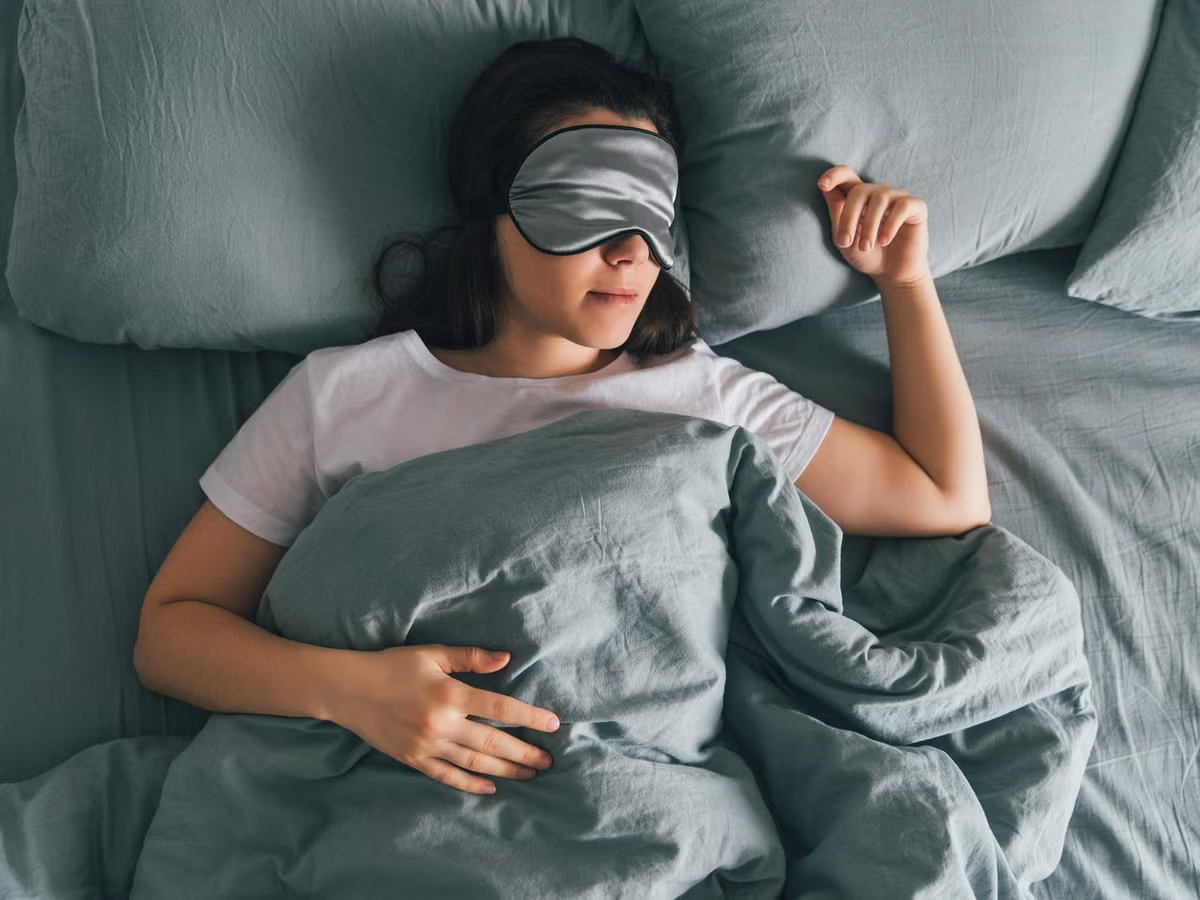
25% of Adults Report ‘Electsomnia’ Ahead of Election: Here’s How to Get Better Sleep

With a close election approaching on November 7, stress is running high across the U.S., and a recent survey by the American Psychological Association found that 25% of adults are losing sleep over it, a phenomenon some experts have coined “electsomnia.” If the election is affecting your rest, you’re not alone. Fortunately, sleep experts recommend a few simple strategies to improve sleep both now and post-election.

3 Tips to Get Better Sleep This Election Season—and Beyond

1. Eat More Melatonin-Rich Foods

Sleep experts suggest adding foods high in melatonin, the hormone that regulates sleep-wake cycles, to your diet. Rather than relying on supplements, licensed psychologist Shelby Harris recommends sourcing melatonin through foods like walnuts, salmon, eggs, tart cherries, and cow’s milk. These natural sources can help signal your body that it’s time to sleep, improving your overall sleep quality.

2. Find Your Ideal Sleep Duration

Sleep needs vary widely. While many aim for the “magic” eight hours, Harris explains that good sleep can happen within a range, from six to nine hours depending on individual needs. If seven hours works for you, trying to sleep for eight might disrupt your rest instead of improving it. Focus on finding the sleep duration that best supports you, and don’t stress over occasional restless nights.

3. Stick to a Regular Sleep Schedule

Consistency in sleep and wake times can be crucial for sleep quality, says Dr. Abhinav Singh, director at the Indiana Sleep Center. “Avoid social jet lag” by keeping your schedule as consistent as possible, even on weekends, and try not to vary your wake-up times by more than an hour. This helps your body maintain a stable rhythm, promoting better rest.

Additional Wellness Tips to Manage Election Stress and Burnout

The days leading up to the election can add to mental fatigue, and two licensed psychologists, Tirrell De Gannes and Elisabeth Morray, suggest three wellness practices to help manage stress and prevent burnout:

  • Set Limits on News Consumption: Designate specific times for catching up on election news and avoid political updates outside of these windows to minimize stress.
  • Customize Your Social Media Algorithms: Engage with content that brings you joy or interest on social platforms. This can adjust your feed to show more positive content, reducing stress.
  • Maintain Daily Routines That Uplift You: Simple, consistent routines—like spending time with family or preparing favorite meals—can improve your mood and keep stress levels down.

By incorporating these sleep and wellness strategies, you can mitigate the effects of “electsomnia” and focus on well-being throughout this election season.