Study Identifies Three Young Asteroid Families as Key Origins of Earth’s Meteorites

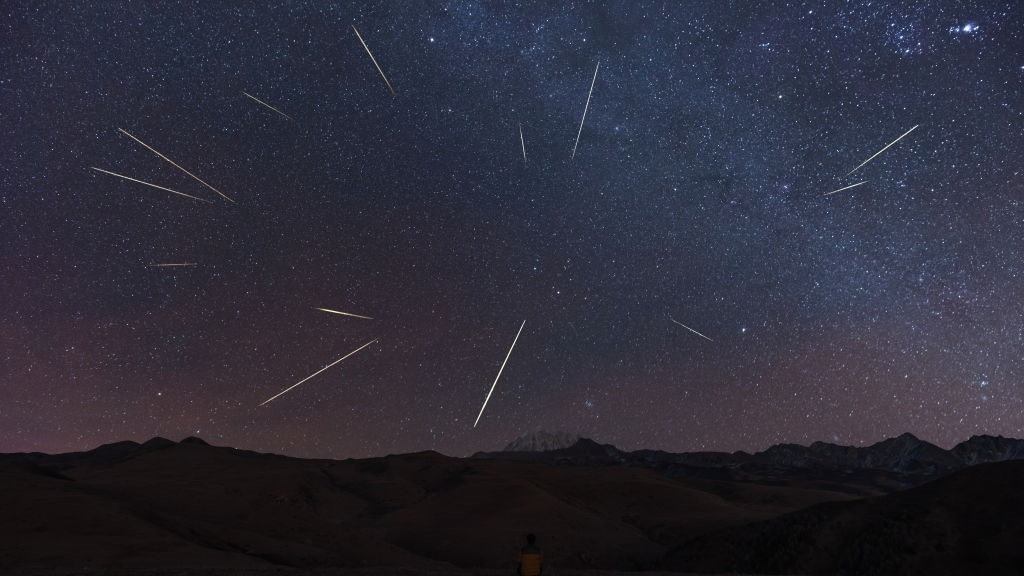
Earth experiences a constant influx of meteorites, most of which disintegrate in our atmosphere before making contact with the surface. However, some do survive, and significant impacts can have dramatic effects on our planet. Through extensive research, scientists have confirmed that the vast majority of these meteorites originate from the asteroid belt, located between Mars and Jupiter. This belt is filled with rocky remnants from the early solar system, and new research is shedding light on which specific asteroid sources contribute to Earth’s meteorite collection.

Identification of Asteroid Families

An international team of researchers has pinpointed three main asteroid families in the belt that are responsible for a large proportion of meteorites landing on Earth. According to their study, the Karin, Koronis, and Massalia families are the primary contributors, accounting for about 70 percent of all meteorites collected on our planet. These families formed as a result of collisions millions of years ago: the Karin family roughly 5.8 million years ago, the Koronis family around 7.5 million years ago, and the Massalia family approximately 40 million years ago. Of these, the Massalia family stands out, being linked to 37 percent of all known meteorites.

Methodology of Research

The research team used a combination of telescopic surveys and computer simulations to conduct their study. The telescopic surveys helped in analyzing the mineral composition of the asteroid families, while the simulations modeled the long-term evolution and movement of these asteroid fragments. This dual approach allowed scientists to track how these fragments made their way from the asteroid belt to Earth’s orbit. In the past, only about 6% of meteorites had clear origins linked to bodies like the Moon, Mars, or Vesta. The sources of the remaining 94% were ambiguous, making these findings a significant advancement in planetary science.

Implications for Future Research

The identification of these young asteroid families has implications for understanding the solar system’s history and the potential threats posed by near-Earth objects. By pinpointing these sources, scientists can better predict the frequency and type of meteorite impacts Earth might face in the future. Moreover, understanding the timeline of these collisions and the subsequent dispersion of asteroid fragments provides valuable insight into the asteroid belt’s dynamic nature. Future research may focus on how these findings can contribute to planetary defense strategies and space exploration missions targeting these asteroid families.
NASA Crew-8 Mission Postponed by Florida’s Severe Weather

The Crew-8 team continues to wait for approval to head back home as unfavorable weather off Florida’s coast has delayed their departure. Initially, NASA’s SpaceX Crew-8 mission was scheduled to undock on Monday night, but the timeline has now been adjusted to no earlier than 9:05 PM EDT. Mission officials remain cautious and are closely monitoring weather conditions to decide the safest time to proceed.

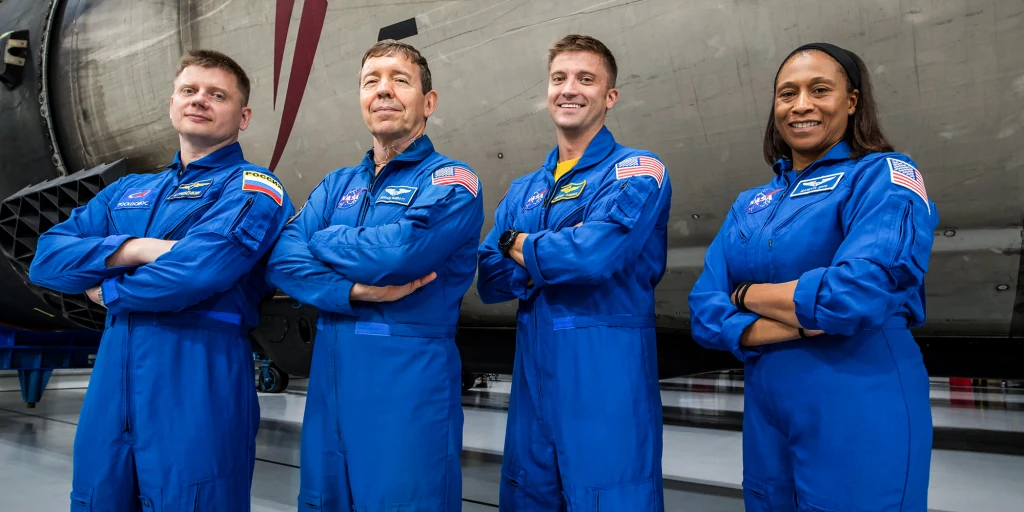
Crew-8 members Matthew Dominick, Mike Barratt, Jeanette Epps (all from NASA), and Alexander Grebenkin from Roscosmos have had to adapt to the changing circumstances. They adjusted their sleep schedules in anticipation of the original undocking plans, only to see their departure delayed. Despite this setback, they’ve kept busy on the International Space Station (ISS) by sticking to their exercise routines and continuing their assigned tasks. The crew members remain flexible, keeping to their adjusted sleep patterns while waiting for the next weather briefing.

Meanwhile, the delay has had ripple effects on the rest of the ISS crew. Expedition 72 Commander Suni Williams and Flight Engineers Butch Wilmore, Nick Hague, and Don Pettit have also adapted their schedules to assist with Crew-8’s departure. With Monday’s delay, they enjoyed a lighter workload and used the time to prepare for a potential Tuesday undocking. Coordination between the two teams is crucial to ensure the transition goes smoothly.

As everyone awaits updated information on the weather, both the Crew-8 team and the ISS crew are staying ready for whatever comes next. The dynamic nature of space missions often requires adaptability, and the astronauts’ ability to manage unexpected changes ensures mission success while prioritizing safety.

Kim Jong Un’s Deteriorating Relationship with China Amidst Growing Alliance with Russia

Chinese tourists huddle against the brisk autumn breeze on a 12-storey building in Fangchuan, the northeastern tip of China where the borders with Russia and North Korea converge. Standing at this unique location, one woman proudly declares her proximity to both nations: “I feel very proud to be standing here… with Russia on my left and North Korea on my right. There are no borders among the people.” However, such optimism may overlook the geopolitical tensions that lie beneath the surface.

China finds itself caught between its sanctioned neighbors as fears rise regarding the burgeoning alliance between Vladimir Putin and Kim Jong Un. Recent reports suggest North Korea may be sending thousands of troops to bolster Russia’s invasion of Ukraine. This was further underscored when Pyongyang launched a banned intercontinental missile last Thursday, escalating tensions in the region. Christopher Green, an analyst from the International Crisis Group, emphasizes that “China seeks a relationship with a reasonable, high level of control over North Korea,” yet the emerging ties between Pyongyang and Moscow threaten to undermine that stability.

While both Moscow and Pyongyang deny that North Korean soldiers are being deployed to Ukraine, U.S. officials assert they have evidence of such movements, following intelligence claims from South Korea and Ukraine. These developments emerged just prior to Xi Jinping’s meeting with Putin at the Brics summit earlier this October, overshadowing a gathering intended to showcase a united front against the West.

Beijing’s frustrations with the current trajectory of its allies are palpable. “China is unhappy with the way things are going,” Green observes, noting that the nation is trying to keep its discontent relatively quiet. In Fangchuan, the presence of tourists is tolerated, but journalists face scrutiny, with the police closely monitoring their activities.

Many tourists visiting the border area express intrigue about North Korea. Through telescopes, they spy cyclists in the hermit kingdom, often captivated by its mysterious aura. This proximity highlights how intertwined the fates of the three nations have become, with China’s economy heavily reliant on North Korea, which relies on Beijing for over 90% of its foreign trade.

Historically, relations between China and North Korea have fluctuated. In the early 1960s, Chinese families fled across the Tumen River into North Korea. However, following the Soviet Union’s collapse in 1991, North Korea’s economy crumbled, and the regime increasingly relied on China. Yet now, with Russia offering an alternative ally, Kim Jong Un is leveraging this relationship for North Korea’s benefit.

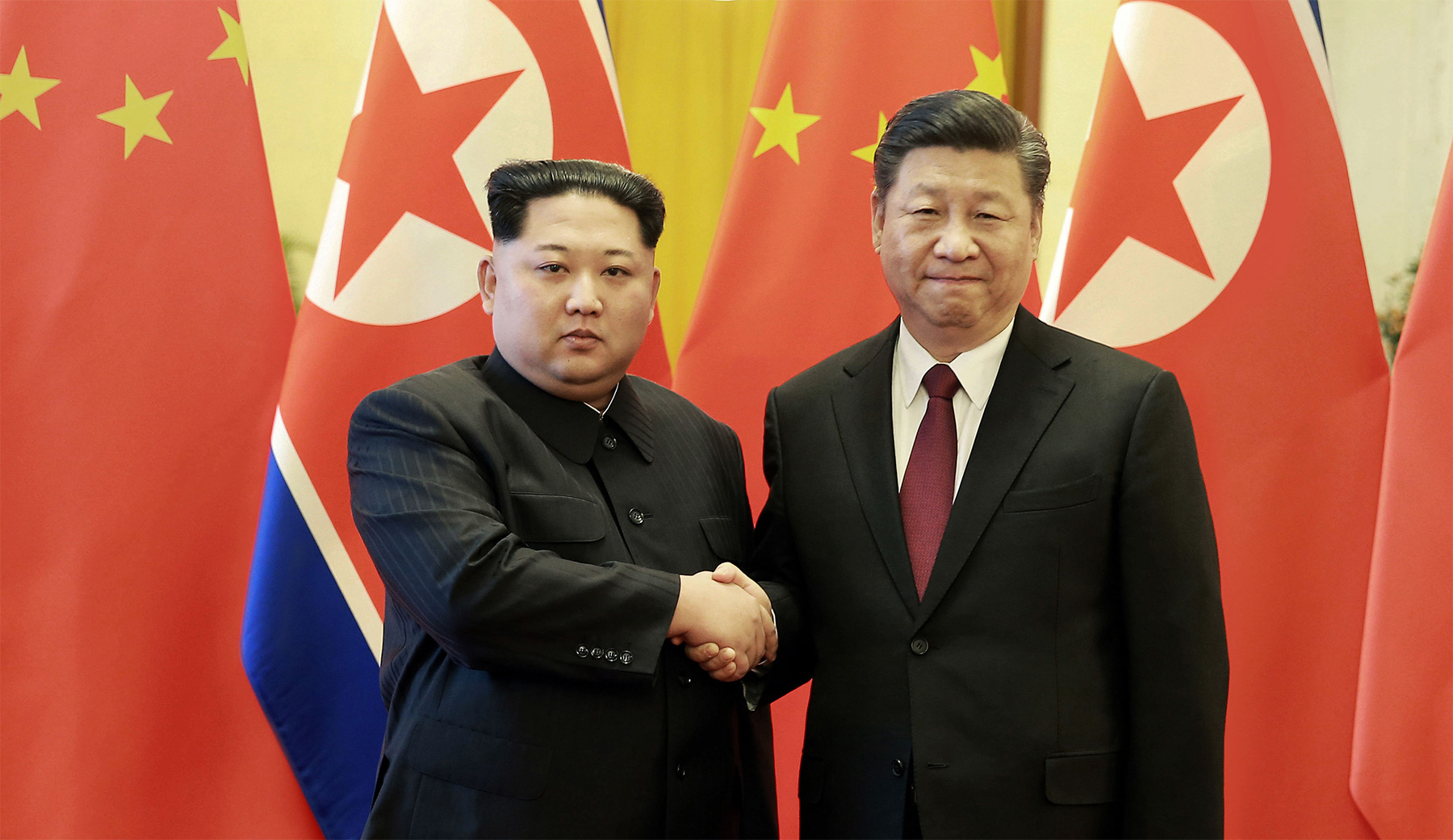
Aidan Foster-Carter, a longtime observer of North Korea, describes the situation as a shift in allegiances, with Kim being characterized as “the comrade from hell” to both Russia and China. Analysts note that Kim has shown more affection towards Putin than Xi in recent months, even meeting with the Russian leader twice in the past year, while avoiding any engagement with Xi since 2019.

As North Korea strengthens its ties with Russia, Kim’s actions may be alienating his traditional benefactor, China. The Kremlin’s needs align with Pyongyang’s ambitions, creating a precarious partnership that could further destabilize the region. Xi, who is striving for stability and a new global order, finds himself in a difficult position, unable to control the unfolding alliance between his two neighbors.

The recent developments have led to discussions between the U.S. and China regarding the situation. While Beijing has previously complied with international sanctions against North Korea, the current circumstances are pushing Xi to weigh his options more carefully. As the situation unfolds, any drastic measures could lead to a refugee crisis at the Chinese border, a scenario that Beijing is keen to avoid.

Ultimately, Kim Jong Un faces a pivotal decision as well. While Russia may currently provide military support, it is China that has historically sustained North Korea’s regime. The delicate balance between maintaining these alliances will have significant implications not just for the leaders but for the millions of North Koreans who rely on the regime for their survival.