
Adani Group Faces Scrutiny Amid Bribery Allegations and Bond Downgrades

The Adani Group is under heightened scrutiny following allegations of bribery and subsequent actions by credit rating agencies. Sri Lanka is reviewing accusations against the conglomerate as U.S. prosecutors indicted founder Gautam Adani, his nephew Sagar Adani, and others for their alleged roles in a $265-million bribery scheme to secure Indian power contracts.

The allegations have implications for Adani’s ventures in Sri Lanka, where Adani Ports holds a 51% stake in a Colombo container terminal project set to begin operations in 2024. Sri Lanka’s finance and foreign ministries are evaluating the situation, including the project’s future, but a timeline for conclusions remains unclear.

The fallout also extends to credit markets. Fitch Ratings placed several Adani Group bonds under “watch negative,” signaling potential downgrades. This affects Adani Ports, Adani Electricity, and Adani Energy Solutions’ rupee and dollar bonds. Fitch cited concerns over funding access and credit spreads, while S&P Global issued downgrade warnings for Adani Ports and Adani Green Energy.

Adani stocks have suffered significant market losses, with the group’s valuation dropping by $33 billion since the indictments. Adani Green Energy alone has lost $9.7 billion, and its shares fell an additional 7.5% on Tuesday.

International partners are distancing themselves. French oil giant TotalEnergies has paused financial contributions to Adani-related investments, though Adani Green stated this decision would not affect its operations or growth plans. However, investment firm GQG Partners, which holds nearly 20% in Adani companies, reaffirmed support, though it warned that funding access could be constrained by the allegations.

Despite recent turmoil, Adani dollar bonds showed slight recovery after days of sharp declines, with prices rising by up to 1.5 cents. However, ESG rating firm Morningstar Sustainalytics announced it would reassess Adani Green Energy’s governance risks.

The Adani Group denies the allegations, calling them “baseless,” and plans to pursue legal remedies. The situation continues to evolve, with potential implications for Adani’s financial stability, operational credibility, and government relations.

 

UK Retailers’ Confidence Hits Two-Year Low, CBI Reports

The Confederation of British Industry (CBI) has reported that British retailers’ confidence has plunged to its lowest level in two years. This decline is comparable to the financial strain experienced during the energy price surge and market instability following former Prime Minister Liz Truss’s fiscal policies.

According to the CBI’s quarterly survey, the retail sector’s business outlook fell sharply to -21 in November, down from -13 in August, matching November 2022’s low of -22. Additionally, the CBI’s monthly retail sales balance dropped to -18 in November, compared to -6 in October, marking its weakest performance since August.

The CBI attributed part of this decline to the 25 billion pound ($31 billion) employer tax increase announced in Finance Minister Rachel Reeves’ October 30 budget. Retailers are expected to face significant challenges next year due to higher Employers’ National Insurance contributions and increased business rates for high-value properties.

CBI lead economist Ben Jones highlighted the compounding pressures on the retail industry, stating, “The stark rise in Employers’ National Insurance next year will hit retailers hard. And the planned increase in business rates for higher-value properties will add significant operational costs for distribution centres.”

The retail sector’s outlook remains uncertain as economic pressures persist.
(Conversion rate: $1 = 0.7945 pounds)


Ancient Rock Shelter in Tajikistan Reveals Insights into 130,000-Year-Old Human Migration

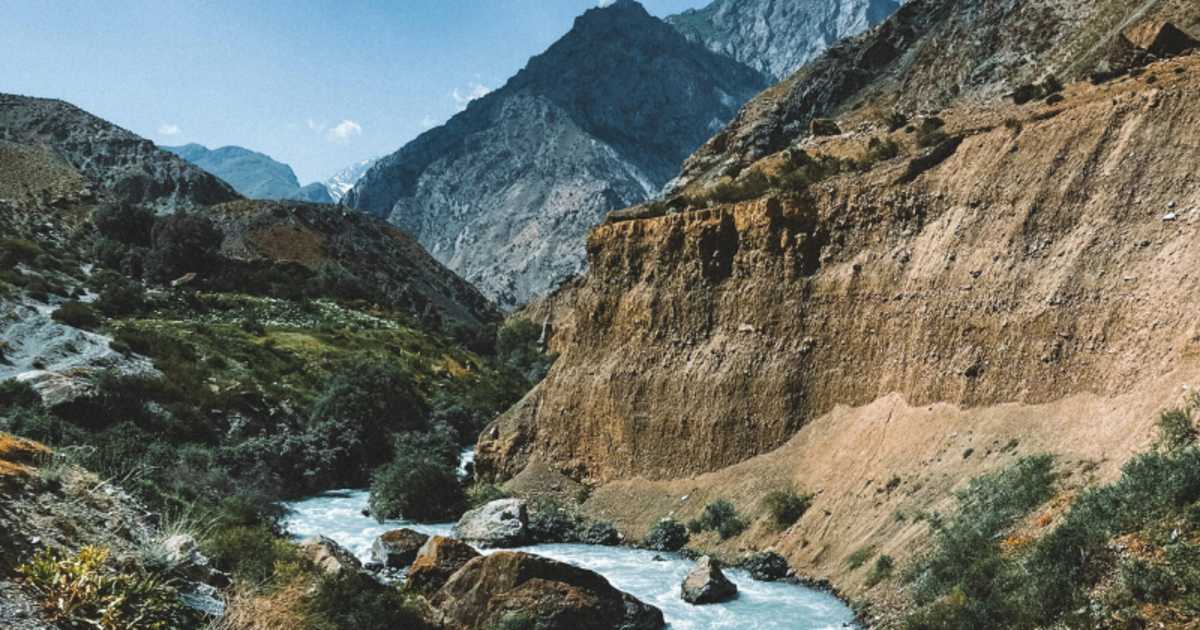
Archaeologists have made a groundbreaking discovery in Tajikistan’s Zeravshan Valley, uncovering a rock shelter that reveals a rich history of human occupation spanning over 130,000 years. The site, known as Soii Havzak, was inhabited by multiple human species, including Neanderthals, Denisovans, and Homo sapiens. Situated along the Zeravshan River in the Inner Asian Mountain Corridor (IAMC), this ancient shelter provides new clues about the migration patterns of early humans, offering a unique glimpse into how these groups may have coexisted and interacted in Central Asia.

The excavation, led by Dr. Yossi Zaidner, a senior lecturer at the Institute of Archaeology at the Hebrew University of Jerusalem, uncovered a wealth of evidence, including stone tools and animal bones that date back as far as 150,000 years. Dr. Zaidner noted that the IAMC likely acted as a natural migration route, facilitating the movement of distinct human populations across Central Asia. “This discovery is crucial for understanding ancient human presence in Central Asia and how different human species may have interacted here,” he explained. The findings shed light on the role of the Zeravshan River as a potential pathway for the dispersal of early humans.

The artifacts found at Soii Havzak, such as stone blades, crafted flints, rock flakes, and evidence of fire use, suggest that the shelter was used repeatedly by various human groups over thousands of years. These discoveries point to the site’s importance as a safe haven for early humans, offering a glimpse into their daily lives and survival strategies. Researchers believe that the presence of these different species at the site indicates that the IAMC may have been a meeting point where Neanderthals, Denisovans, and Homo sapiens coexisted, exchanged knowledge, and possibly even interacted on a cultural level.

This discovery significantly alters our understanding of ancient human migration and interaction, particularly in Central Asia, which has often been overlooked in the study of early human history. The findings at Soii Havzak provide crucial evidence for the role of the Zeravshan River and the broader IAMC as key routes in the spread of human populations across Eurasia. By studying these ancient sites, researchers are uncovering the complex patterns of human migration and interaction, offering new perspectives on the ways in which early humans adapted to their environments and interacted with each other.