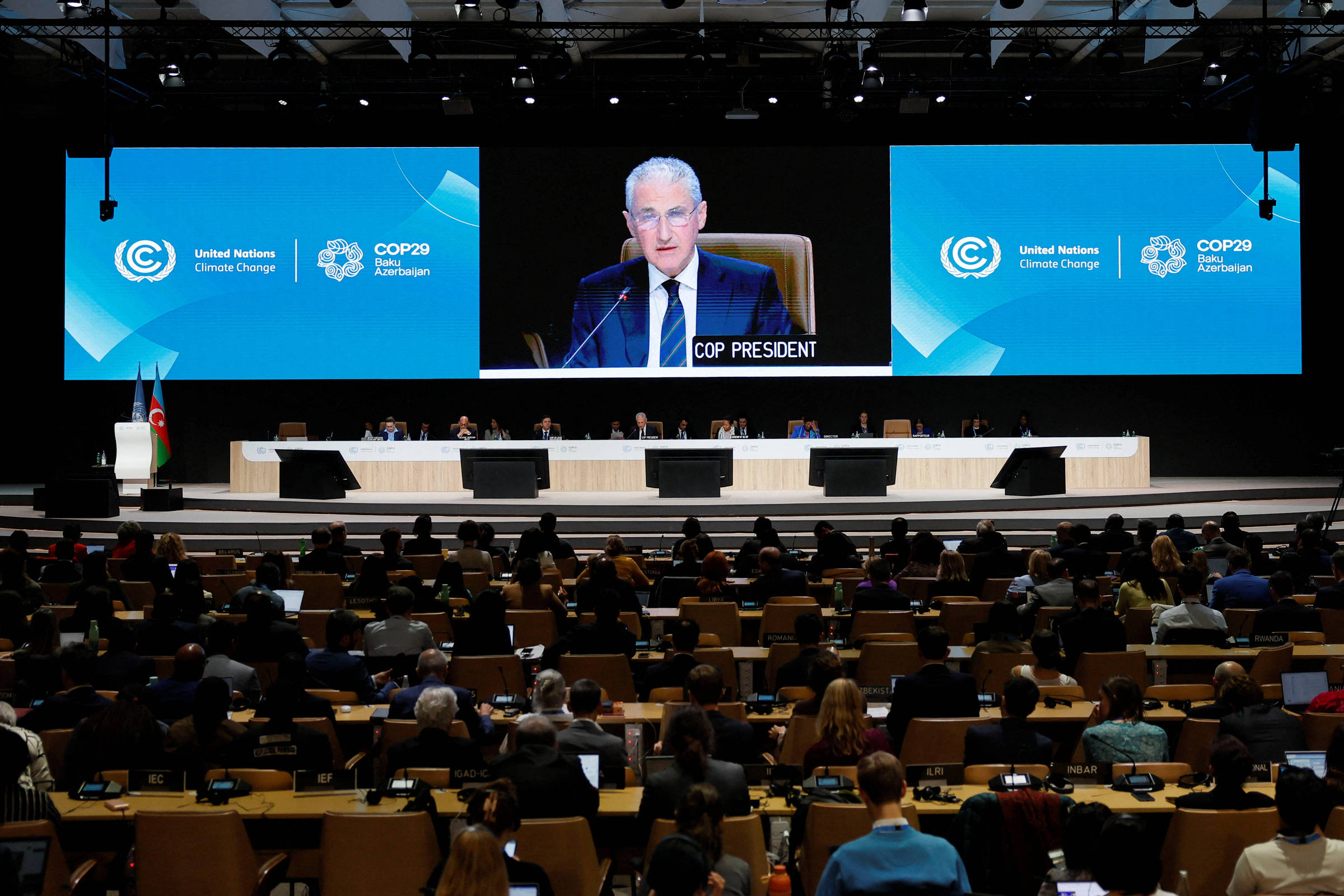
Developing Nations Criticize $300 Billion COP29 Climate Finance Deal as Inadequate

The COP29 climate summit in Baku concluded with a $300 billion annual global finance commitment to help developing nations combat the effects of climate change. However, many recipient countries criticized the deal, calling it insufficient to address the escalating climate crisis.

Negotiations, which extended past the scheduled Friday deadline, ended with mixed reactions. Some delegates welcomed the agreement as a critical step forward, while others, particularly from developing nations, voiced their dissatisfaction. Indian delegate Chandni Raina described the document as “an optical illusion” that failed to address the magnitude of the climate challenges.

The deal, set to take effect until 2035, aims to increase the financial support pledged by wealthier nations, building on the unmet $100 billion annual goal originally set for 2020. While this agreement marks progress, many representatives, including Tina Stege of the Marshall Islands, argued that the funding remains far below what vulnerable countries urgently need.

Key Points of the Agreement

  1. Financial Commitments:
    • $300 billion annually in climate finance for developing nations by 2035.
    • A broader target to mobilize $1.3 trillion per year from public and private sources.
  2. Climate Market Rules:
    • The deal introduced mechanisms for a global carbon credit market aimed at generating additional funding through projects like reforestation and clean energy deployment.
  3. Fossil Fuel Transition:
    • No concrete plans were outlined to transition away from fossil fuels or to triple renewable energy capacity, goals previously set at COP28. This omission led to criticism from several delegations, with some blaming obstructionist tactics by nations such as Saudi Arabia.
  4. Funding Responsibility:
    • Contributions are required from about two dozen industrialized countries, including the U.S., European nations, and Canada.
    • The agreement encourages but does not mandate contributions from emerging economies like China and oil-rich Gulf states, a point of contention for European governments.

Broader Context

The summit highlighted deep divides between developed and developing nations. Wealthy countries, grappling with economic and geopolitical pressures, were reluctant to increase financial commitments, while developing nations emphasized the urgent need for greater support to combat climate disasters.

The $300 billion pledge aims to advance the Paris Agreement’s goal of limiting global temperature rise to 1.5°C above pre-industrial levels. However, the 2024 U.N. Emissions Gap report shows that the world is on track for a temperature increase of up to 3.1°C by the end of the century, underscoring the urgency for bolder action.

Reactions

  • United Nations Climate Chief Simon Stiell: Hailed the agreement as “an insurance policy for humanity” but stressed the importance of timely and full financial contributions.
  • U.S. President Joe Biden: Praised the deal as a significant step forward but emphasized the need for continued efforts to meet global climate goals.
  • Donald Trump’s Influence: Skepticism about U.S. commitment resurfaced following Donald Trump’s recent election victory, given his history of climate change denial and withdrawal from international agreements during his presidency.

Climate Impacts in 2023

The urgency of climate finance was underscored by catastrophic climate events this year, including deadly floods in Africa, landslides in Asia, and droughts in South America. Even developed nations faced significant losses, such as Spain’s fatal floods and the U.S. recording 24 billion-dollar weather disasters.

The $300 billion agreement is seen as a stepping stone toward the next COP summit, set to take place in Brazil’s Amazon rainforest, where nations will aim to finalize a roadmap for the next decade of climate action. However, with the world’s warming trajectory far from its targets, the pressure for more ambitious commitments continues to mount.

 

Storm Bert Disrupts Travel and Cuts Power Across the UK and Ireland

Storm Bert unleashed severe weather across the UK and Ireland on Saturday, bringing snow, rain, and strong winds that caused significant disruption. One fatality was reported, as a man in his 60s died when a tree fell on his car on the A34 highway in southern England, according to local police.

In the UK, the storm led to widespread travel chaos. Newcastle Airport in northeast England temporarily halted flights due to snow-covered runways. Scotland experienced severe disruptions to train services, with ScotRail announcing cancellations on social media. The Severn Bridge, a vital connection between Wales and England, was closed due to dangerously high winds. Northern areas saw snow-covered roads and stranded vehicles, with motorists advised to exercise caution.

Jason Kelly, Chief Meteorologist at the Met Office, described the event as a “multi-hazard” storm, warning of ongoing snow, rain, and strong winds expected throughout the weekend.

Ireland also bore the brunt of the storm, with counties along the west coast, including Cork and Galway, under “status red” rain warnings issued by the Irish Meteorological Service. Flooding rendered roads impassable, with towns like Killybegs in Donegal experiencing rising waters submerging parked vehicles.

The storm caused widespread power outages, leaving 60,000 homes, farms, and businesses without electricity, particularly in Ireland’s west and northwest. Energy provider ESB Networks attributed the outages to high winds and confirmed ongoing efforts to restore service.

With adverse conditions forecast to persist, authorities across both countries are urging caution and continued vigilance as recovery efforts continue.


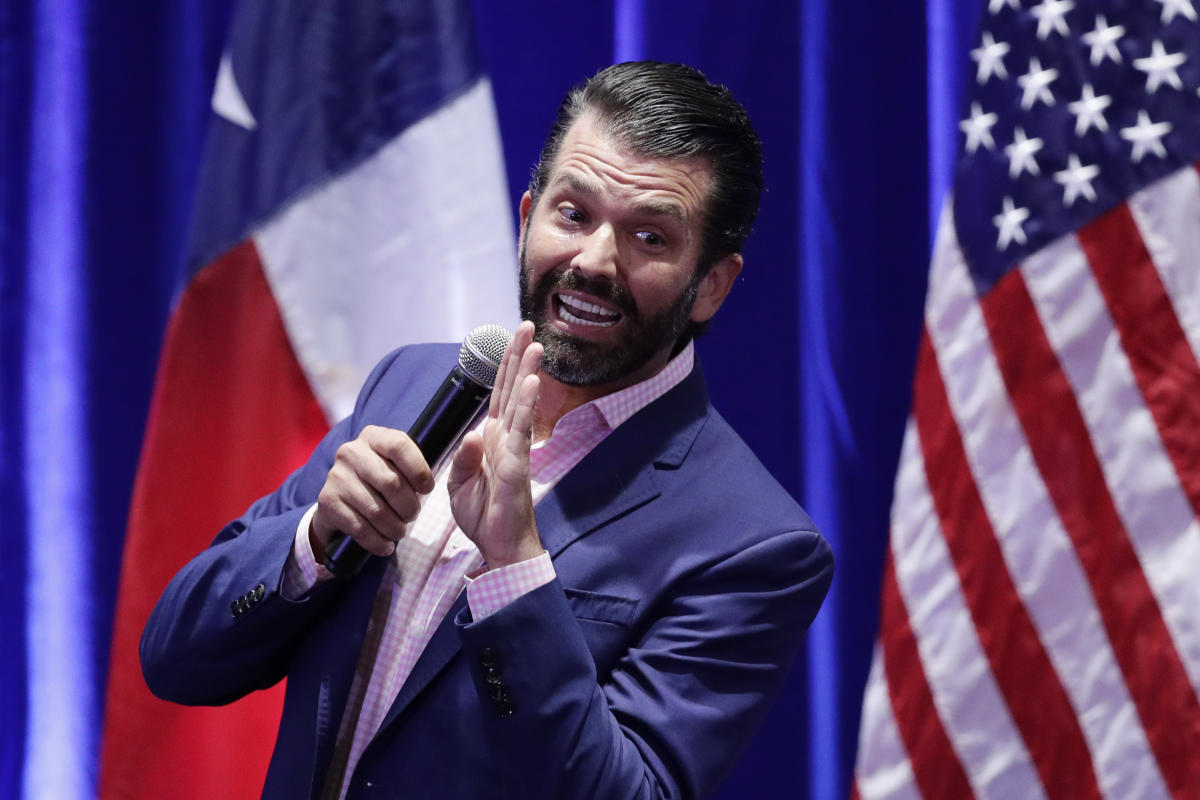
Donald Trump Jr.’s Influence in Building a Controversial Cabinet for Trump’s Next Term

Donald Trump Jr. has become a pivotal figure in shaping President-elect Donald Trump’s upcoming administration, leveraging his influence to prioritize loyalists and disrupt traditional norms in cabinet selections. Sources close to the transition reveal that Trump Jr.’s role as an adviser has significantly impacted decisions, elevating controversial figures and sidelining more conventional candidates.

Among the candidates championed by Trump Jr. are Senator JD Vance, chosen as Trump’s running mate, and figures like Robert F. Kennedy Jr. and Tulsi Gabbard, nominated for high-profile positions as U.S. health secretary and intelligence chief, respectively. Both nominees face potential hurdles in Senate confirmations due to their contentious views—Kennedy’s vaccine misinformation and Gabbard’s foreign policy stances, including past comments perceived as supportive of Russia and Syria.

Trump Jr. has reportedly sought candidates who align with his father’s anti-establishment and protectionist worldview. His influence extended to lobbying for Vance despite concerns over the senator’s controversial rhetoric and policies. This successful advocacy boosted Trump Jr.’s standing during the transition, granting him a notable role in key personnel decisions.

However, his sway has limits. For instance, while he supported Ric Grenell for secretary of state, Trump ultimately selected Senator Marco Rubio, a choice criticized by some core supporters for being too traditionally internationalist. Trump Jr. is not fully immersed in day-to-day vetting and mainly advises on higher-level appointments, maintaining his focus on political advocacy and media ventures.

In contrast to Trump Jr.’s prominent involvement, other family members, including Ivanka Trump and Jared Kushner, have stepped back. Kushner, who played a significant role in Middle East policy during Trump’s first term, is working informally to brief new appointees like Steve Witkoff, special envoy to the region. Ivanka and Eric Trump are also refraining from joining the new administration.

The transition team, led by Trump’s chief of staff Susie Wiles, is described as more organized compared to previous efforts, reducing the president-elect’s reliance on family members. Despite this, Trump Jr.’s focus on loyalty and ideological alignment marks a shift in how the Trump administration approaches governance, potentially setting the stage for significant political and policy shifts in the coming term.