
Unusual Plasma Density May Explain Zebra Patterns in Crab Nebula’s Pulsars

Researchers have proposed a groundbreaking explanation for the enigmatic zebra-like radiation pattern emitted by the Crab Pulsar, a neutron star nestled 6,000 light-years away at the heart of the Crab Nebula. This pulsar, born from the remnants of a supernova explosion recorded in 1054, has long fascinated scientists due to its high-frequency emissions, which stand out among the broader population of pulsars.

A recent study, published in Physical Review Letters on November 15, sheds light on this phenomenon. The zebra-like radiation, characterized by distinctive spectral stripes, was analyzed by physicist Mikhail Medvedev from the University of Kansas. Medvedev’s research offers a new perspective on the unique patterns observed in the pulsar’s emission, paving the way for deeper insights into the behavior of neutron stars.

According to the study, the zebra-like effect arises from the diffraction of electromagnetic waves within the pulsar’s magnetosphere, a region dominated by intense magnetic fields and plasma. As the pulsar spins, its radiation beams sweep across space like a cosmic lighthouse, with the diffraction caused by the plasma introducing the characteristic striped patterns. These findings highlight the critical role of plasma density and magnetospheric dynamics in shaping the observed emissions.

The discovery not only enhances our understanding of the Crab Pulsar but also provides a framework for studying similar phenomena in other extreme astrophysical environments. By revealing how plasma interacts with electromagnetic waves in such conditions, the research contributes to broader efforts to decode the mysteries of pulsars and the fundamental physics governing their behavior.

Amazon India Eyes Quick Commerce with ‘Tez’; Launch Expected by December

Amazon Prepares to Enter India’s Quick Commerce Market with ‘Tez’
Amazon India is reportedly making strides to launch its quick commerce service, codenamed ‘Tez,’ by the end of December 2024 or early 2025. The move marks Amazon’s expansion into the highly competitive instant delivery segment in India. This service is expected to cater to customers seeking ultra-fast deliveries of groceries and daily essentials, a market currently dominated by players like Blinkit, Swiggy Instamart, and Zepto.

According to sources cited by The Economic Times, Amazon is laying the groundwork for this ambitious project by setting up dark stores and optimizing its stock-keeping units (SKUs) to ensure a seamless supply chain. Dark stores, which function as small fulfillment centers, will play a key role in enabling rapid deliveries. By leveraging its robust logistics network, Amazon could bring significant competition to the quick commerce ecosystem in India.

The decision to launch ‘Tez’ sooner than originally planned demonstrates Amazon’s intent to capture a slice of the growing demand for hyperlocal deliveries. Initially focusing on essential items, the service may gradually expand its offerings. Amazon’s entry could disrupt the market dynamics, given its established infrastructure, customer base, and ability to scale quickly.

The quick commerce sector in India has witnessed rapid growth, fueled by urban consumers’ demand for convenience and time-saving solutions. If Amazon successfully integrates ‘Tez’ into its broader ecosystem, it could redefine customer expectations for speed and reliability in e-commerce. However, competition with seasoned players like Blinkit and Swiggy Instamart will require Amazon to offer unique value propositions to gain a foothold in this crowded space.

US Orders Nationwide Milk Testing to Combat Bird Flu in Cows

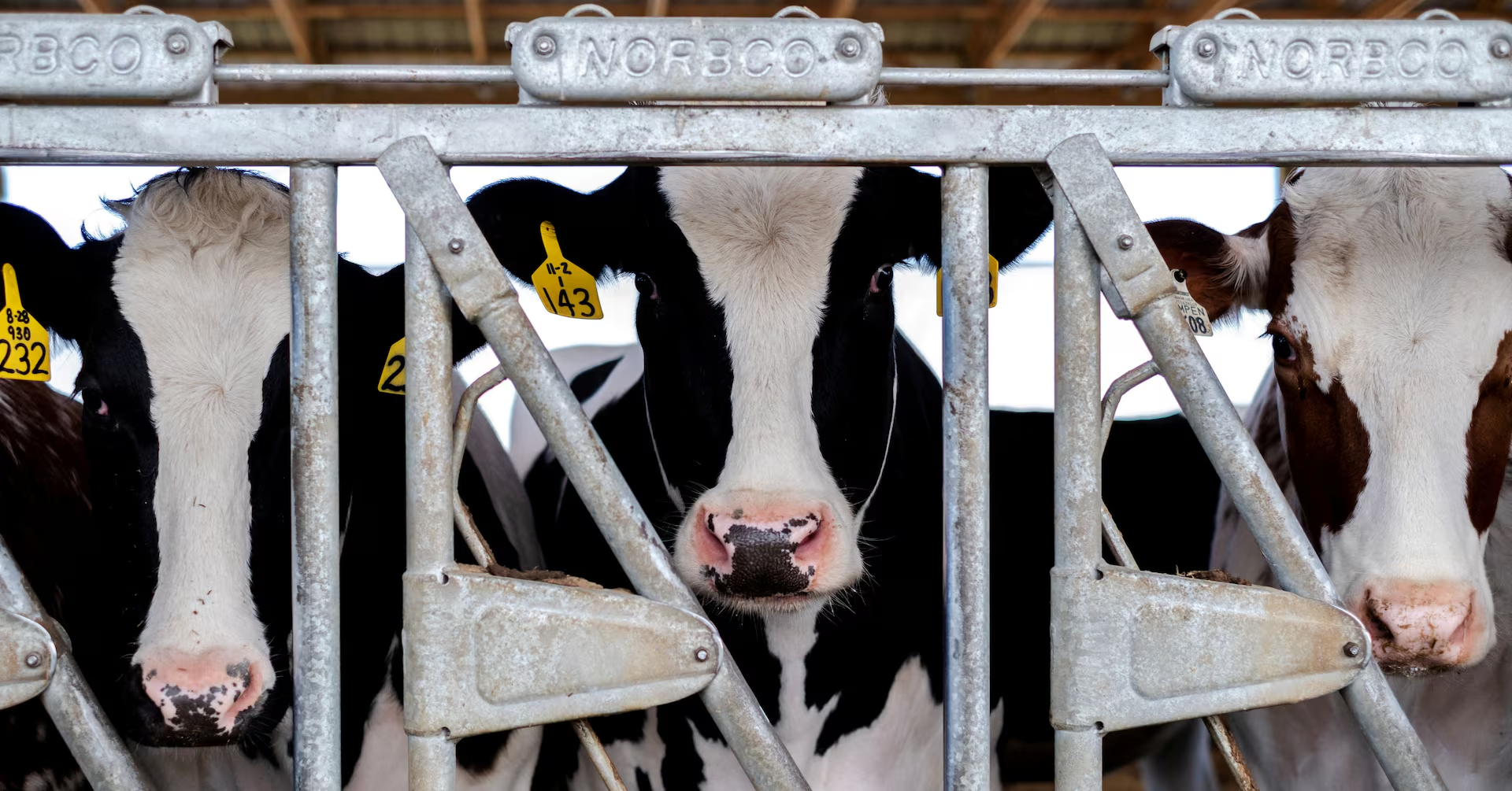
In response to the spread of bird flu among U.S. dairy cows, the government has mandated nationwide testing of raw or unpasteurized milk starting on December 16. This move comes after more than 700 herds in 15 states were affected by the H5N1 strain of the virus, first detected in cows in March. The government hopes that the testing will help contain the virus and prevent further outbreaks on farms.

Agriculture Secretary Tom Vilsack explained that the testing would provide farms with “better confidence” in controlling the virus and stopping its spread across the country. While H5N1 has been detected in birds in the UK as well, the strain in the U.S. primarily affects farm animals, with at least 58 human cases of mild illness reported. Despite this, the risk to human health remains low.

Pasteurization or heat treatment can eliminate the virus in milk, making it safe for consumption. However, officials continue to warn against drinking raw milk. The new testing order applies to raw milk intended for pasteurization, and dairy handlers must provide samples for testing upon request. Herd owners are also required to report positive test results to the U.S. Department of Agriculture (USDA) and provide relevant information to track the virus.

Dairy farmers and processors had been hesitant to test milk and animals, fearing potential economic consequences. However, there has been growing support from veterinarians, farmers, and scientists for such testing. Keith Poulsen, director of the Wisconsin Veterinary Diagnostic Laboratory, hailed the move as a step in the right direction, emphasizing the need for better monitoring of the situation.

In the UK, health authorities are preparing for potential human outbreaks of H5N1 by securing over five million doses of a bird flu vaccine. This vaccine would be used only if the virus were to spread among humans, similar to the cases in the U.S.