
Scientists Discover Rare Metals in Coal Waste, Offering Potential for Clean Energy Transition

Scientists have uncovered a surprising potential source of rare earth metals in the vast amounts of coal ash left behind by power plants, presenting a new opportunity to advance clean energy technologies. These metals, essential for electric vehicles, solar panels, and wind turbines, are critical to the global shift away from fossil fuels, but their supply is limited. According to research led by the University of Texas at Austin, coal ash could contain up to 11 million tons of rare earth elements, worth around $8.4 billion. This is nearly eight times the amount currently available in U.S. reserves.

While coal ash has long been a concern due to its toxicity, the discovery of valuable rare earth elements within it could offer a way to recycle this waste and reduce reliance on mining. Bridget Scanlon, a research professor at the University of Texas, emphasized the opportunity to “close the cycle” by turning waste into a resource. The rare earth metals in coal ash, including scandium, neodymium, and yttrium, are crucial for clean technologies and are typically difficult and expensive to extract from conventional ore deposits.

Despite the name “rare earths,” these metals are not rare in nature but are challenging to separate from their ores. With global demand for these elements expected to rise sharply in the coming years, the need for alternative sources is becoming urgent. The International Energy Agency predicts that demand could increase up to sevenfold by 2040, yet the U.S. currently imports over 95% of its rare earths, mainly from China, presenting both supply chain risks and national security concerns.

In response, there has been growing interest in unconventional sources of these metals, with coal and its byproducts emerging as a viable option. Coal ash is produced in massive quantities—around 70 million tons annually in the U.S.—and contains trace amounts of rare earth elements. The extraction process would be significantly more efficient than traditional mining, as much of the material is already processed, leaving only the need to extract the metals.

However, the extraction process is not without challenges. The coal ash from different regions of the U.S. varies in its concentration of rare earths. For example, coal ash from the Appalachian Basin has higher concentrations but can only yield 30% of the available metals. In contrast, coal ash from the Powder River Basin, with lower concentrations, allows for up to 70% of the rare earth elements to be extracted.

Despite these variations, experts caution that the extraction process could be costly, involving strong acids and bases that are both expensive and environmentally hazardous. The environmental impact of extracting these metals, particularly when coal ash contains contaminants like mercury, arsenic, and lead, is another concern.

However, the research team argues that the financial value of the metals could offset the costs of improving the management and storage of coal ash. The Biden administration has already invested $17.5 million into projects focused on extracting rare earths from coal byproducts, aiming to enhance national security, revitalize energy and manufacturing sectors, and create jobs.

While some worry that focusing on coal ash could inadvertently encourage further coal production, Scanlon reassured that the plan focuses on utilizing existing waste, with over 2 billion tons of coal ash already stored across the U.S. This approach is aimed at extracting value without incentivizing the continued use of coal, as most of the focus is on “legacy waste.”

The ultimate goal is to explore a range of valuable products that can be derived from coal waste, contributing to a more sustainable approach to resource extraction while advancing the clean energy transition.
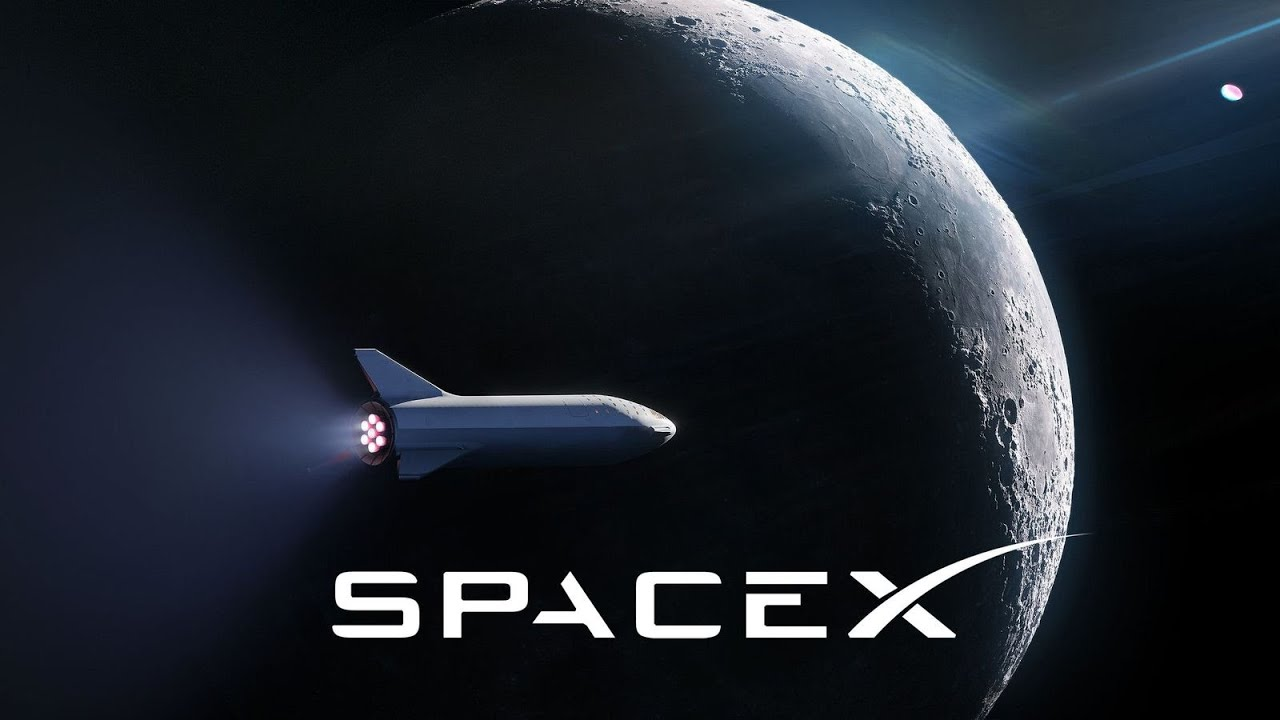
 

Trump’s NASA Pick, Jared Isaacman, Sends Shockwaves Through Space Community

President-elect Donald Trump’s nomination of tech billionaire Jared Isaacman for NASA administrator has stirred significant reactions within the space community. Isaacman, known for his spaceflight ventures with SpaceX, has sparked both excitement and concern among industry leaders. While some view his appointment as a transformative choice, others worry about potential conflicts of interest, given his ties to SpaceX and other private ventures.

At 41, Isaacman has built a reputation in the space industry despite not following the typical path to NASA leadership, which often involves experience in government, academia, or engineering. Instead, Isaacman has become a prominent figure in the private space sector. He is the CEO of Shift4 Payments, which he founded as a teenager, and has an extensive background in aviation and defense contracting. In recent years, he has focused on space exploration, particularly through his partnership with SpaceX.

Isaacman first garnered international attention in 2021 when he funded and led the Inspiration4 mission, which marked the first all-civilian spaceflight to Earth’s orbit. Following this success, he launched the Polaris program with SpaceX, which includes historic milestones such as the first-ever commercial spacewalk. His direct involvement in space exploration through SpaceX has earned him significant credibility within the industry.

If confirmed, Isaacman would be only the fourth NASA administrator in the agency’s history to have actually traveled to space. His relationship with SpaceX, however, raises questions regarding potential conflicts of interest. NASA’s reliance on SpaceX for critical contracts, such as the Artemis lunar program and the development of the Starship spacecraft, may make Isaacman’s position at the helm of the agency controversial, especially considering his financial stake in SpaceX.

Despite these concerns, Isaacman’s nomination has received positive reactions from many in the space industry. Isaac Arthur, president of the National Space Society, praised Isaacman as a “perfect pick” due to his entrepreneurial experience and his knowledge of both NASA and SpaceX. Garrett Reisman, a former NASA astronaut and current SpaceX advisor, echoed this sentiment, calling Isaacman an “excellent choice” who will push NASA to advance further and faster.

Isaacman’s confirmation would come at a pivotal time for NASA, as the agency prepares for the first crewed moon landing in over fifty years under the Artemis program. While some have questioned his lack of government or academic experience, others believe his private-sector experience makes him well-suited to navigate NASA’s increasing reliance on commercial partnerships.

In addition to his business and spaceflight ventures, Isaacman’s political stance has also attracted attention. Unlike his friend Elon Musk, who has become politically active, Isaacman has positioned himself as politically neutral, emphasizing unity over division. This approach mirrors the traditional strategy of NASA administrators, who must work across party lines to secure funding and achieve the agency’s goals.

However, Isaacman’s close relationship with Musk could fuel suspicions that his leadership could prioritize SpaceX’s interests. Isaacman has been vocal about his opposition to NASA’s decision to fund two competing lunar lander projects, one from SpaceX and one from Blue Origin. His criticism of NASA’s spending decisions suggests a willingness to challenge established priorities, which could be either beneficial or contentious.

Despite these complexities, Isaacman’s vision for space exploration is closely aligned with SpaceX’s ambitious goals. He has repeatedly expressed his belief in the potential for humanity to establish permanent settlements on Mars and other celestial bodies. “SpaceX is on — for our time — the most incredible adventure imaginable,” Isaacman said in an interview, underscoring his commitment to advancing space exploration and addressing fundamental questions about humanity’s place in the universe.


MicroStrategy Stock Turns Negative Despite Bitcoin Reaching $100,000 Milestone

Cryptocurrency-related stocks took a downturn on Thursday, even after Bitcoin reached a historic milestone, surpassing $100,000 for the first time. MicroStrategy, a software company that has become closely associated with Bitcoin due to its large holdings of the cryptocurrency, saw its stock slip by 4.8%, reversing an earlier gain of more than 7%. Other crypto-linked companies also experienced losses, with Riot Platforms and Mara Holdings falling around 5% and 4%, respectively. Robinhood Markets and Coinbase Global also saw declines, with drops of 2.7% and over 3%, respectively.

MicroStrategy has increasingly become a proxy for Bitcoin itself, with the company’s stock price closely tied to the value of the cryptocurrency. Since 2020, when it first began purchasing Bitcoin, MicroStrategy’s stock has skyrocketed by more than 2,700%. Similarly, Coinbase, which operates a cryptocurrency exchange, and Robinhood, which allows users to trade Bitcoin, have seen their stocks rise due to their exposure to the digital currency. Meanwhile, Mara Holdings and Riot Platforms focus on Bitcoin mining and digital infrastructure.

Despite Thursday’s setbacks, these companies have posted significant gains year-to-date. MicroStrategy has surged nearly 512%, Robinhood has risen more than 205%, and Coinbase has increased by over 84%. Mara Holdings, however, has underperformed, with a gain of just over 5%.

Investor enthusiasm around Bitcoin has been fueled by expectations of a more crypto-friendly regulatory environment following the November election of President-elect Donald Trump. The belief that his administration would be more relaxed on cryptocurrency regulations has led to increased investments in the sector.

“This price surge, particularly with Bitcoin reaching $100,000, is significant not only as a psychological milestone but because it increases the likelihood of more institutional and traditional finance investment,” said Pascal St-Jean, CEO of 3iQ. St-Jean further noted that the growing accessibility of digital assets to investors also contributed to the price appreciation.

In addition, traders have shown increased interest in leveraged MicroStrategy exchange-traded funds (ETFs), which use debt to amplify potential gains from the underlying assets. According to JPMorgan, these leveraged ETFs accounted for a significant portion of the $11 billion inflow into crypto funds in November, reflecting the heightened investor activity in the cryptocurrency sector.