Apple Seeks Dismissal of US Smartphone Monopoly Lawsuit

Apple is set to present its case to a federal judge, urging the dismissal of a U.S. Department of Justice (DOJ) antitrust lawsuit that accuses the tech giant of monopolistic practices in the smartphone market. The hearing, scheduled for Wednesday in Newark, New Jersey, before U.S. District Judge Julien Neals, marks another significant moment in the ongoing legal battles surrounding Big Tech companies and their market dominance. The DOJ alleges that Apple has unlawfully restricted competition by creating a tightly controlled ecosystem that limits interoperability between iPhones, third-party apps, and competing devices.

At the heart of the DOJ’s argument is Apple’s ecosystem strategy, which prosecutors claim locks users into its platform while stifling competition. By tightly controlling app distribution through the App Store and restricting developers’ access to core iPhone technologies, Apple allegedly ensures that alternative app marketplaces and cross-platform interoperability remain limited. These practices, according to the DOJ, make it difficult for competitors to thrive, ultimately reducing consumer choice in the marketplace.

Apple, however, argues that its approach is not only lawful but essential to maintaining a secure and innovative platform for its users. The company contends that its restrictions on third-party developers are reasonable measures aimed at ensuring privacy, security, and the overall quality of user experiences. Apple has further asserted that forcing it to open its ecosystem to competitors would risk undermining these priorities and discourage innovation in a highly competitive market.

The case has broader implications for the technology industry and antitrust enforcement in the United States. If the court sides with the DOJ, it could lead to significant changes in how Apple and other tech giants operate their platforms, potentially forcing greater openness and interoperability. Conversely, a dismissal would bolster Apple’s defense of its business practices and signal that courts may be reluctant to intervene in the operational choices of dominant technology companies. The outcome of this hearing is expected to influence the trajectory of antitrust regulation in the tech sector for years to come.

Google Developing AI-Driven ‘Help Me Draw’ Tool for Google Keep

Google is reportedly developing an innovative AI-powered feature for its popular note-taking app, Google Keep. This upcoming functionality, called “Help Me Draw,” aims to enhance user creativity by transforming hand-drawn text and sketches into refined images. Early evidence of this feature was discovered in the latest version of the Google Keep app for Android, hinting at its imminent arrival. Initially, the feature is expected to be introduced in Google’s Workspace Labs, where experimental tools are tested, before a broader rollout to users worldwide.

The “Help Me Draw” feature could open new possibilities for Google Keep users, making the app a more versatile tool for both professional and personal use. Whether for brainstorming ideas, creating visual notes, or drafting quick sketches, the AI technology promises to simplify the creative process. By leveraging cloud-based AI capabilities, this tool could bridge the gap between simple doodles and polished designs, offering a seamless user experience.

Insights into the feature’s development emerged from a deep dive into the app’s code. Android Authority and AssembleDebug, platforms known for uncovering tech updates, spotted references to the feature during an APK teardown of Google Keep. These references included specific flags related to “Help Me Draw.” While the feature itself couldn’t be activated, as its AI processing appears to depend on Google’s cloud infrastructure, its presence in version 5.24.462.04.90 for Android signals that Google is actively testing it.

The potential of “Help Me Draw” aligns with Google’s broader strategy to integrate AI tools into its ecosystem. As AI becomes increasingly central to enhancing user experiences, tools like this could redefine how people interact with everyday applications. By transforming rough sketches into meaningful visuals, “Help Me Draw” could mark another step forward in Google’s effort to democratize creativity through technology.

UN Plastic Treaty Talks Stalled Over Key Divisions

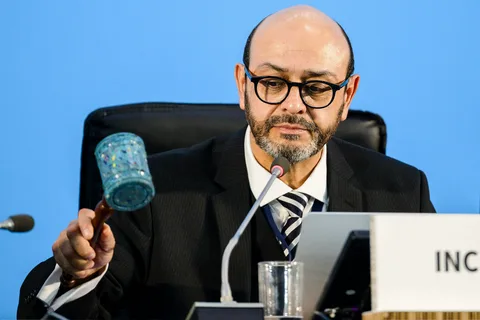
The fifth session of the United Nations Intergovernmental Negotiating Committee (INC-5) in Busan, South Korea, concluded without an agreement on a global treaty to combat plastic pollution. The session, which was expected to produce a legally binding treaty, highlighted sharp divisions between nations advocating for a reduction in plastic production and those favoring a focus solely on managing plastic waste.

Major Points of Contention

  1. Plastic Production Cap
    Over 100 countries, led by Panama, pushed for a global reduction target on plastic production, citing the need for robust measures to address the escalating pollution crisis. On the other side, a small bloc of petrochemical-producing nations, including Saudi Arabia, strongly opposed production caps, focusing instead on managing waste and using procedural tactics to delay progress.
  2. Chemicals and Product Management
    Discussions around regulating harmful chemicals used in plastics and overseeing plastic product lifecycle management also failed to reach consensus. A UNEP report identifies over 3,200 chemicals of concern in plastics, underscoring the health risks, particularly to women and children.
  3. Financing Mechanisms
    Developing nations sought financial commitments to implement treaty obligations, which remain unresolved, further widening the gap between stakeholders.
  4. Procedural Challenges
    Negotiations were hampered by the UN’s consensus process, which allowed dissenting nations to stall progress. Some delegations, including Senegal, criticized the absence of voting mechanisms, calling it a “big mistake.”

Postponement and Reactions

The INC-5 talks will resume as INC-5.2 at a later date, but the delay has sparked frustration:

  • Panama’s Delegation Head, Juan Carlos Monterrey Gomez: “Every day of delay is a day against humanity. Postponing negotiations does not postpone the crisis.”
  • Rwanda’s Juliet Kabera: Urged for a treaty “fit for purpose” and warned against reliance on voluntary measures.

Environmental groups, such as GAIA, expressed skepticism about achieving success in the next round, while the International Council of Chemical Associations emphasized the complexity of the issue and called for inclusive solutions.

Broader Context

Plastic production is projected to triple by 2050, exacerbating pollution that already impacts air, food, and human health. The failure of INC-5 echoes frustrations seen at the recent COP29 summit, where procedural obstacles also hindered progress on climate finance and fossil fuel commitments.

Looking Ahead

The postponement of decisions raises doubts about the treaty’s prospects. However, negotiators emphasized the urgency of resuming talks, as the stakes grow higher with every delay.