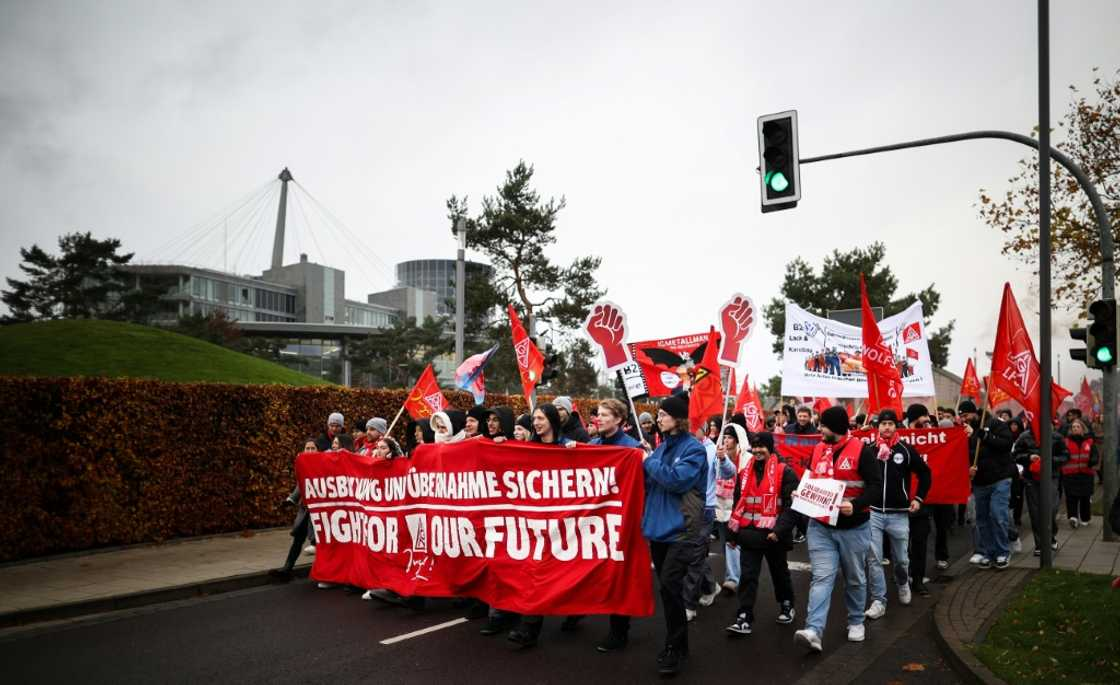
Volkswagen Faces Strikes Across Nine German Plants Amid Labor Dispute

Workers at nine Volkswagen (VW) car and component plants across Germany launched strikes on Monday, halting production lines in a growing dispute over wages and the future of the automaker’s operations in its home market.

Key Details of the Strike

  1. Affected Locations
    • The strikes affect key sites, including VW’s headquarters in Wolfsburg, and major plants in Hanover, Emden, Salzgitter, Brunswick, and the EV-focused Zwickau facility.
    • Demonstrations at Wolfsburg and Hanover are expected to draw thousands of workers.
  2. Duration and Escalation
    • The strikes are planned for several hours but could escalate into 24-hour or indefinite walkouts if an agreement isn’t reached in the next round of wage negotiations.
    • Employees at VW Sachsen GmbH sites, including Zwickau, will strike through Monday and Tuesday.
  3. Union Demands
    • IG Metall, the labor union leading the strike, has rejected Volkswagen’s demand for a 10% wage cut, citing concerns about the company’s approach to cost-saving.
    • The union proposed measures to save €1.5 billion ($1.6 billion), including the suspension of bonuses for 2025 and 2026, but Volkswagen dismissed the offer.
  4. Volkswagen’s Stance
    • The company argues that cost-cutting is essential to boost profits and defend its market share amid declining deliveries and profitability.
    • Volkswagen has taken steps to mitigate the strike’s impact by ensuring basic customer supply chains.
    • The automaker has warned of potential plant closures in Germany—an unprecedented move in its 87-year history.

Broader Context

  • Economic Pressures: Volkswagen faces a challenging market environment with declining demand and stiff competition, especially in the EV sector.
  • Union Concerns: IG Metall is pushing for a comprehensive long-term plan for all VW plants to safeguard jobs and ensure operational stability.

Next Steps

Negotiations between Volkswagen and IG Metall are set to resume on December 9. The union has vowed to resist any proposals that lack a robust strategy for maintaining operations across all German plants.

Implications

  • For Volkswagen: The strikes could exacerbate the company’s ongoing struggles with delivery schedules and profitability.
  • For the Auto Sector: The labor dispute highlights tensions within the industry as companies balance cost-cutting measures with the need to transition toward electric mobility.
  • For Workers: The outcome of the negotiations will significantly impact job security and wage structures for Volkswagen employees in Germany.

 

Australia Proposes Law to Curb Big Tech’s Anti-Competitive Practices

Australia has introduced a draft law aiming to strengthen digital competition by penalizing global technology giants for anti-competitive practices. The proposal, unveiled on Monday, seeks to impose fines of up to AUD 50 million (USD 33 million) on companies that hinder consumer choice or suppress innovation.

Key Provisions of the Proposed Law

  1. Scope and Oversight
    • The legislation would empower the Australian Competition and Consumer Commission (ACCC) to oversee compliance, investigate online anti-competitive behavior, and enforce penalties.
    • Platforms deemed to pose significant risks to competition, such as app stores, online search engines, and ad technology services, will be prioritized.
  2. Targeted Practices
    • Restrictions would prevent companies from:
      • Favoring their own services over third-party offerings.
      • Promoting poorly rated apps at the top of search results.
      • Using “sneaky tactics” to lock consumers into specific ecosystems.
    • These measures aim to simplify switching between services, enhancing competition across social media platforms, internet browsers, and app stores.
  3. Fine Details
    • Penalties of up to AUD 50 million would be imposed for violations, signaling Australia’s firm stance on regulating dominant tech players.
  4. Consultation Timeline
    • A public consultation period is open until February 14, 2024, after which the draft legislation will be finalized.

Broader Context

  • Inspired by the EU: The proposed law is modeled after the European Union’s Digital Markets Act, which enforces similar rules on Big Tech.
  • Recent Legislative Efforts: Last week, Australia banned social media usage for children under 16, reflecting broader efforts to regulate digital spaces.
  • Market Dominance:
    • Google: Controls 93%-95% of online search services in Australia.
    • Apple and Google: Together dominate the app store market, with Apple commanding 60% of downloads and Google Play Store 40%.
    • Meta: Facebook and Instagram account for 79% of social media usage in the country.

Government’s Position

Assistant Treasurer Stephen Jones highlighted that dominant platforms often restrict consumer choice, inflate costs, and stifle innovation by smaller players. The legislation aims to address these challenges and promote a fair digital economy.

Industry Response

Major tech companies, including Apple, Google, and Meta, have not yet commented on the proposal. However, the new regulations are expected to add to the growing scrutiny these companies face globally.

Implications

If enacted, the law could reshape Australia’s digital landscape by encouraging competition, enhancing transparency, and reducing consumer dependency on dominant platforms. This aligns with global trends of holding Big Tech accountable for their market influence.

U.S. Implements New Restrictions on China’s Semiconductor Industry

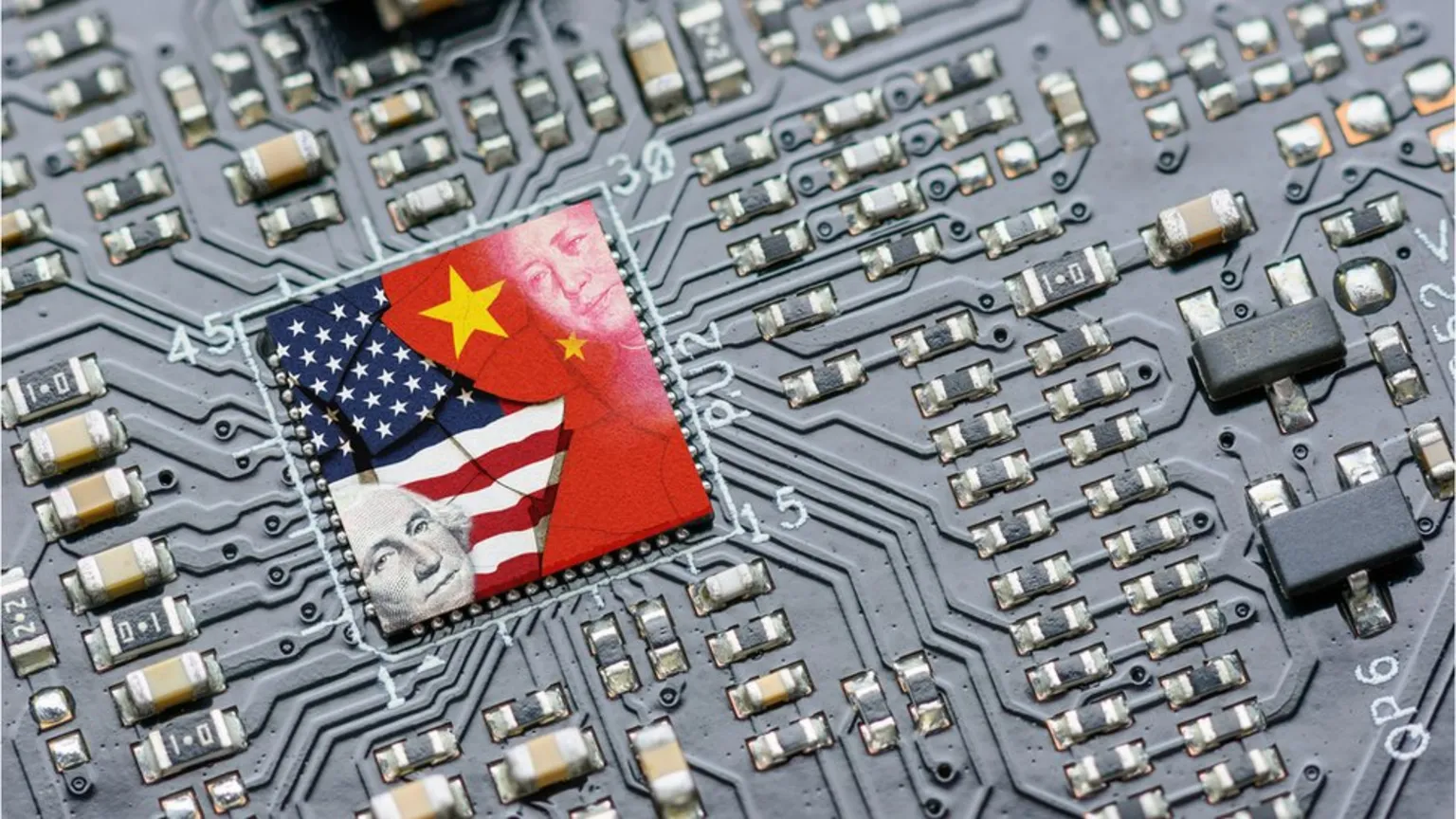
The United States unveiled a new wave of export controls on Monday targeting China’s semiconductor sector. The measures aim to restrict access to advanced chipmaking technologies that could bolster China’s AI and military capabilities. This marks the third significant U.S. crackdown on China’s semiconductor ambitions in three years.

Key Components of the New Restrictions

  1. Expanded Export Controls
    • New Targets: The U.S. added 140 entities, including Naura Technology Group, Piotech, and SiCarrier Technology, to its export restriction list.
    • High Bandwidth Memory (HBM) Chips: Restrictions now apply to advanced HBM chips critical for AI applications.
    • Tool and Equipment Curbs: New controls affect 24 chipmaking tools and three software tools essential for semiconductor production.
  2. Impacted Companies
    • Chinese Firms: Companies such as Swaysure Technology, Qingdao SiEn, and Shenzhen Pensun Technology were added to the Entity List, barring them from receiving U.S. shipments without special licenses.
    • International Suppliers: Major players like Lam Research, KLA, Applied Materials, and Dutch firm ASM International are likely to be affected.
  3. Foreign Direct Product Rule
    • Scope Expansion: The U.S. will regulate foreign-made equipment containing any U.S. chips, with exemptions for Japan and the Netherlands.
    • Affected Regions: Equipment from countries like Israel, South Korea, Taiwan, and Singapore will fall under U.S. controls.
  4. Investment Restrictions
    • For the first time, private equity and tech investment firms, including Wise Road Capital and Wingtech Technology, are included in the Entity List.

U.S. Objectives and Global Implications

The Biden administration aims to stymie China’s ability to produce advanced chips, particularly those used in artificial intelligence and defense. The move underscores bipartisan U.S. concerns over China’s tech ambitions, which are viewed as a national security threat.

China’s Response

Chinese officials criticized the measures, accusing the U.S. of undermining global trade and disrupting supply chains. Beijing vowed to protect the rights of its companies but did not provide specifics on retaliatory actions.

Industry Impact

  • Chinese Semiconductor Industry: The restrictions intensify challenges for China, which is striving for self-reliance in chipmaking but lags behind global leaders like Nvidia and ASML.
  • International Suppliers: Companies like Samsung, SK Hynix, and Micron may face disruptions, particularly in sales of HBM chips to China. Analysts estimate that China accounts for 30% of Samsung’s HBM chip sales.

Historical Context

The latest restrictions build on prior U.S. measures, including sweeping controls introduced in October 2022. These represent the most significant shifts in U.S. tech policy toward China since the 1990s.