
US Asks Nvidia to Investigate Unauthorized Exports of AI Chips to China

The U.S. Department of Commerce has reportedly asked Nvidia to investigate how the company’s artificial intelligence (AI) chips have ended up in China over the past year, according to a Thursday report by The Information. The investigation follows concerns over the potential unauthorized diversion of Nvidia products to Chinese entities, despite U.S. export restrictions.

Investigation into Distribution Channels

Nvidia has enlisted major distributors, including Super Micro Computer and Dell Technologies, to conduct spot checks of their customers in Southeast Asia. Nvidia’s AI chips are embedded in servers made by Super Micro and Dell, and the company is reportedly looking into how these chips may have been redirected to China without the required licenses.

The report suggests that multiple individuals involved in smuggling Nvidia chips have managed to evade detection during recent inspections conducted by Super Micro. The smuggling tactics reportedly involved duplicating serial numbers from Nvidia servers or altering them within the server’s operating system to disguise their origin.

Nvidia’s Response and Policies

In response, an Nvidia spokesperson reiterated the company’s commitment to adhering to U.S. export control regulations, stressing that any unauthorized diversion of its products would be detrimental to its business. Nvidia also insisted that its customers and partners must strictly follow these regulations, including prohibitions on grey market resales.

Both Dell and Super Micro have also emphasized their compliance with U.S. export laws. Dell stated that it requires all distributors and resellers to follow export controls and would sever relationships with any partner found to be non-compliant. Super Micro similarly asserted that it investigates and acts against any unauthorized exports, affirming its commitment to U.S. regulations.

Broader Context: U.S. Crackdown on Chinese Exports

This investigation comes as the Biden administration intensifies its crackdown on Chinese access to high-end AI chips. The U.S. government has already broadened its ban on the sale of advanced AI chips to China, including a move to limit semiconductor exports to 140 companies, including chip equipment makers, earlier this month. Despite these restrictions, there have been reports that Chinese universities and research institutions have still been able to procure Nvidia chips through resellers.
 

Micron Shares Drop as Sluggish PC Demand and Weak Forecast Cloud AI Growth Potential

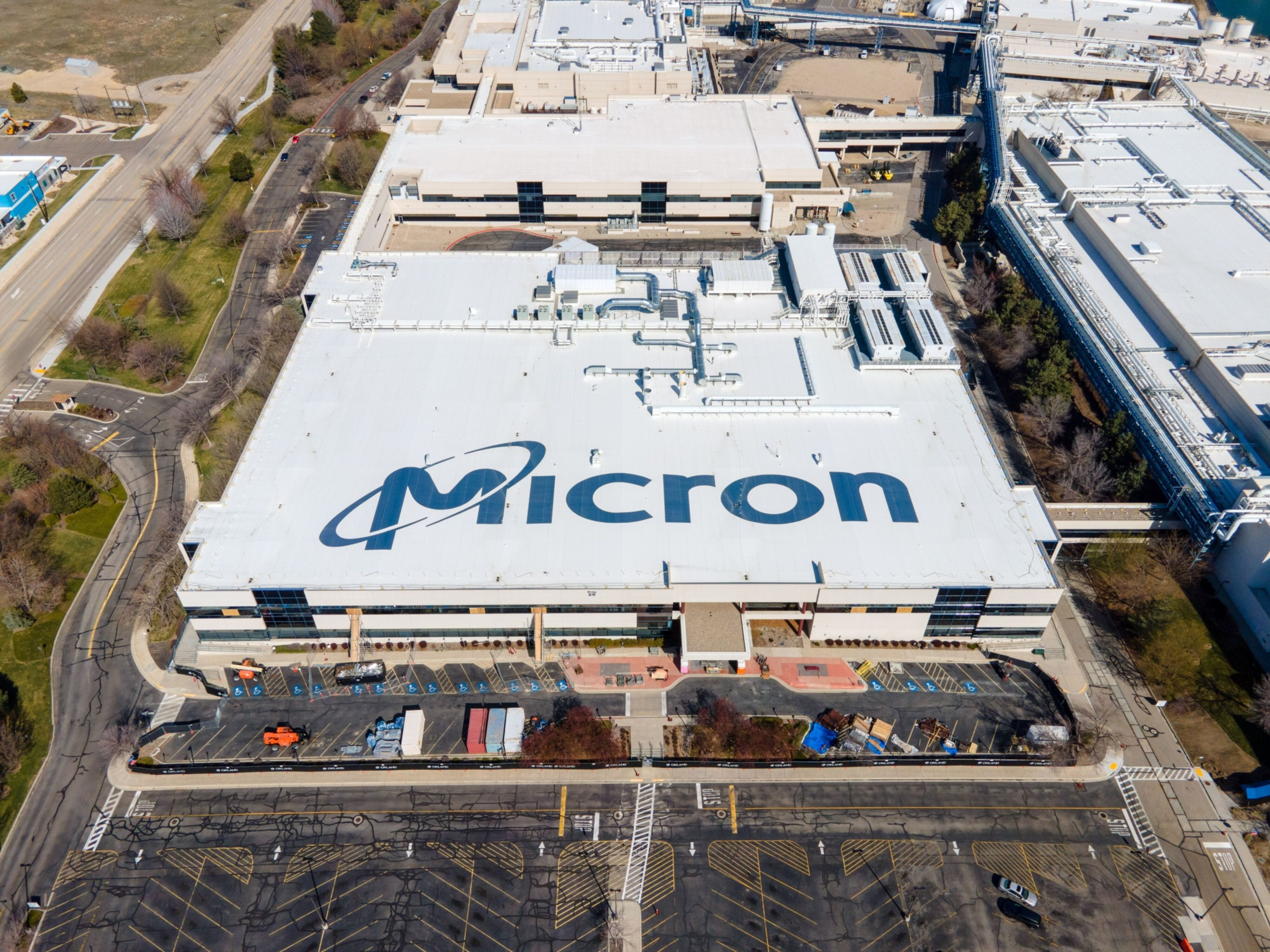
Micron Technology’s shares fell by approximately 15% on Thursday after the company issued a grim forecast for the upcoming quarter, highlighting weak demand for personal computers (PCs) and smartphones, which overshadowed the positive growth in its AI-related chip sales.

Weak Demand for DRAM Chips

The market for dynamic random-access memory (DRAM) chips, which are commonly used in personal computers and smartphones, has been struggling since the end of the pandemic. This decline is driven by a lingering supply glut and continued sluggish demand from consumers. As a result, Micron’s forecast for its flash memory chip revenue in fiscal 2025 looks bleak, as these chips are heavily dependent on PC and mobile phone shipments. According to William Kerwin, an analyst at Morningstar, the post-pandemic growth in demand for traditional PCs has not met expectations, and AI-enabled computers have yet to achieve widespread popularity.

Slow Transition to Windows 11

Micron is also facing headwinds from the slower-than-expected adoption of Windows 11, after Microsoft announced the end of support for Windows 10. This gradual transition has contributed to the challenges in the broader PC market, impacting demand for memory chips.

If the losses hold, Micron’s market value could decline by more than $17 billion, bringing it to approximately $99 billion. This downward shift in value reflects concerns about Micron’s ability to recover from these demand-related issues.

Growth in AI Chips and High-Bandwidth Memory

Despite the challenges in the PC and mobile markets, Micron has seen strong growth in its high-bandwidth memory (HBM) chips, which are used in advanced AI systems. Revenue from these chips more than doubled sequentially, and Micron is positioning itself to take advantage of market expansion opportunities from data center investments in 2025. Analysts from Piper Sandler believe that Micron’s HBM segment remains intact and will continue to drive growth.

Micron is one of only three major HBM chip providers, alongside SK Hynix and Samsung, which has helped boost its stock by around 22% this year. Analysts expect HBM demand to remain a key driver of Micron’s performance moving forward.

Analyst Reactions

Despite the positive outlook for AI-related chips, at least 10 brokerages have lowered their price targets for Micron following its disappointing earnings results. According to data from LSEG, Micron’s 12-month forward price-to-earnings ratio is now 10.67, significantly lower than Qualcomm’s 13.4 and Advanced Micro Devices’ 23.97.


Amazon Implements Worker Safety Measures to Settle OSHA Probe

Amazon has agreed to implement a range of safety measures across all its U.S. facilities to settle a federal investigation by the Occupational Safety and Health Administration (OSHA), which had accused the company of failing to prevent worker injuries, including back problems and other ergonomic issues. The settlement addresses claims made by OSHA at 10 of Amazon’s facilities, which were scheduled for trial before administrative judges next year.

Key Safety Measures and Settlement Details

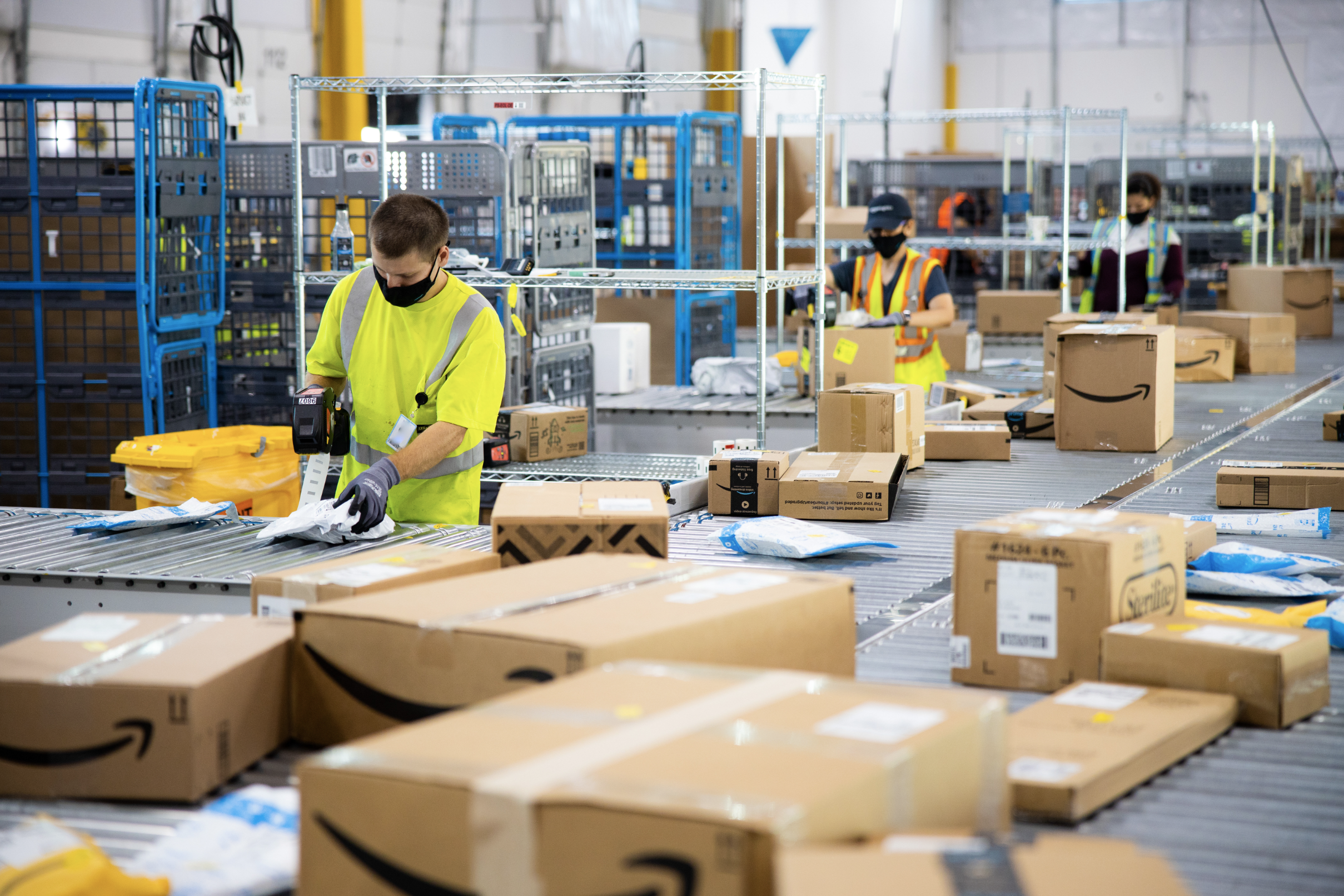
As part of the settlement, Amazon will introduce ergonomic measures at all of its fulfillment, sorting, and delivery centers. These measures include adjustable height workstations, ergonomic mats, harnesses, job rotations, and a system to review and address hazards identified by workers. While certain policies are already in place at some facilities, these changes will now be rolled out across all U.S. operations.

Amazon spokesperson Maureen Lynch Vogel clarified that nine of the 10 complaints were withdrawn by OSHA. The remaining complaint involves an Illinois warehouse and centers on concerns about handling bulky items like televisions. She emphasized that the settlement did not require Amazon to adopt new measures but instead focused on continuing its efforts with certified ergonomists to ensure compliance.

Penalties and Impact on Workers

Amazon will pay $145,000 in penalties, which represents about 90% of the amount originally sought by OSHA in the complaints. The settlement is expected to have a significant impact on the safety of Amazon’s workforce, which includes hundreds of thousands of workers across the country. OSHA Director Douglas Parker stated that the agency is prepared to work with Amazon to monitor its progress in implementing the safety measures and verify the commitments made by the company.

Broader Context and Ongoing Controversies

This settlement comes amid ongoing labor unrest at Amazon. On the same day, workers at seven of Amazon’s U.S. facilities staged walkouts to protest what they describe as unfair treatment and unsafe working conditions. Worker safety concerns, particularly regarding production quotas and injury rates, have been central to unionization efforts at Amazon, where many workers are employed by third-party contractors. Unions and worker advocates have long criticized Amazon for allegedly pressuring employees to meet unsafe production targets.

While Amazon has denied imposing quotas and has invested over $1 billion in worker safety, the settlement with OSHA does not address a separate ongoing investigation by federal prosecutors in New York into allegations that Amazon concealed injury rates and safety hazards at its warehouses.