Geothermal Startups See Growth as AI Demand Rises but Face Rivalry from Natural Gas

Geothermal energy is gaining traction as a sustainable solution to power the energy-hungry AI data centers of major tech companies like Meta and Google. However, the path forward remains uncertain due to stiff competition from natural gas and the high upfront costs of geothermal projects.

The Rise of Geothermal for AI Energy Needs

Big Tech firms are partnering with geothermal startups to supply clean energy for their data centers. These partnerships are part of a broader push to meet the growing energy demands of AI technologies while accelerating investments in renewable energy.

Trey Lowe, Chief Technology Officer of Devon Energy, a shale gas producer and investor in geothermal startup Fervo Energy, highlights the potential: “We believe geothermal, along with abundant natural gas, can be part of the all-of-the-above energy mix we need to meet the demand.”

Geothermal energy offers advantages such as faster carbon-free electricity generation compared to nuclear energy and reliability over intermittent sources like wind and solar. Despite these benefits, challenges like high drilling costs and lengthy project approvals have tempered initial enthusiasm.

Investments and Industry Shifts

Since 2020, geothermal projects have attracted an estimated $700 million in funding. While startups like Sage Geosystems and Gradient Geothermal are pushing forward with innovative approaches, larger oil majors like Chevron and Exxon Mobil remain focused on natural gas, often coupled with carbon sequestration to lower emissions.

Sage Geosystems, for instance, recently raised $30 million and is planning a Series B funding round in January. Gradient Geothermal is leveraging existing oil and gas infrastructure to generate geothermal energy, a cost-effective strategy gaining interest among mid-sized energy firms.

Geothermal energy’s cost competitiveness is a key factor driving its appeal. The average levelized cost of electricity (LCOE) for geothermal projects in the U.S. stands at $64 per megawatt-hour (MWh), lower than combined-cycle natural gas ($77/MWh) and significantly cheaper than nuclear energy ($182/MWh).

The Texas Geothermal Boom

Texas is emerging as a hub for geothermal development, thanks to its abundant resources, streamlined permitting process, and regulatory certainty. Ten of the 22 geothermal startups launched in the U.S. between 2016 and 2022 are headquartered in Texas.

According to Matt Welch of the Texas Geothermal Energy Alliance, “Texas is becoming the ‘place to be’ for geothermal exploration and development across the board.”

Legislative and Market Support

Lower commodity prices are pushing shale companies to diversify revenue streams, with geothermal becoming a viable option. Bipartisan legislative interest, such as the recently passed CLEAN Act and HEATS Act, could further simplify the process of setting up geothermal projects in the U.S., boosting the sector’s growth.

Trey Lowe of Devon Energy notes that government incentives and the stability of geothermal investments are attracting more private capital: “A combination of a low decline asset with high certainty on pricing piques the interest of many investors.”

Challenges and Outlook

While geothermal energy has significant potential, its growth is clouded by competition from natural gas and the reluctance of major oil companies to commit fully. For geothermal to become a cornerstone of the energy mix, continued investment, innovation, and supportive policy frameworks will be essential.
 

Senators Request Biden to Grant ByteDance 90-Day Extension on TikTok Sale Deadline

Democratic Senator Ed Markey and Republican Senator Rand Paul have called on President Joe Biden to extend by 90 days a looming January 19 deadline that requires China-based ByteDance to sell the U.S. assets of its popular short-video app TikTok or face a nationwide ban.

Their request comes as the Supreme Court prepares to hear ByteDance and TikTok’s legal challenge against the law mandating the sale. Arguments in the case are scheduled for January 10. In a joint letter to Biden, the senators argued that the law’s uncertain future and its implications for free expression warrant the 90-day reprieve.

Background on the Controversy

The contentious legislation was passed by Congress in April and signed into law by Biden. It stems from national security concerns raised by the Justice Department, which has argued that TikTok’s access to vast amounts of user data—including locations and private messages—makes it a significant threat. The department also raised concerns about ByteDance’s potential to manipulate content visible to American users.

TikTok, however, has denied these allegations, maintaining that it does not pose an imminent threat to U.S. security. The company and its parent, ByteDance, argue that the law violates the First Amendment’s protections of free speech.

Political Reactions

The debate over TikTok has divided lawmakers. Senate Republican Leader Mitch McConnell, in a brief filed with the Supreme Court, urged the court to reject any delay in enforcing the law, likening TikTok to a “hardened criminal.” Similarly, other senators, such as Republican Josh Hawley and Democrat Richard Blumenthal, insist that ByteDance must comply with the legislation.

On the other hand, Markey and Paul’s appeal highlights concerns about free expression and the impact of a potential TikTok ban on its 170 million American users.

Trump’s Reversal on TikTok

In a surprising turn, Republican President-elect Donald Trump, who previously sought to ban TikTok during his first term in 2020, has shifted his stance. During this year’s presidential race, Trump expressed a newfound fondness for TikTok, stating that he has “a warm spot” for the app and would “take a look” at the matter if elected. Trump will assume office on January 20, just one day after the current TikTok sale deadline.

Next Steps

With the Supreme Court set to deliberate on the matter and the Biden administration under pressure to extend the deadline, the future of TikTok in the U.S. hangs in the balance. Neither the White House nor TikTok has commented on the senators’ request.


Slovak Battery Maker InoBat Secures €100 Million in Latest Funding Round

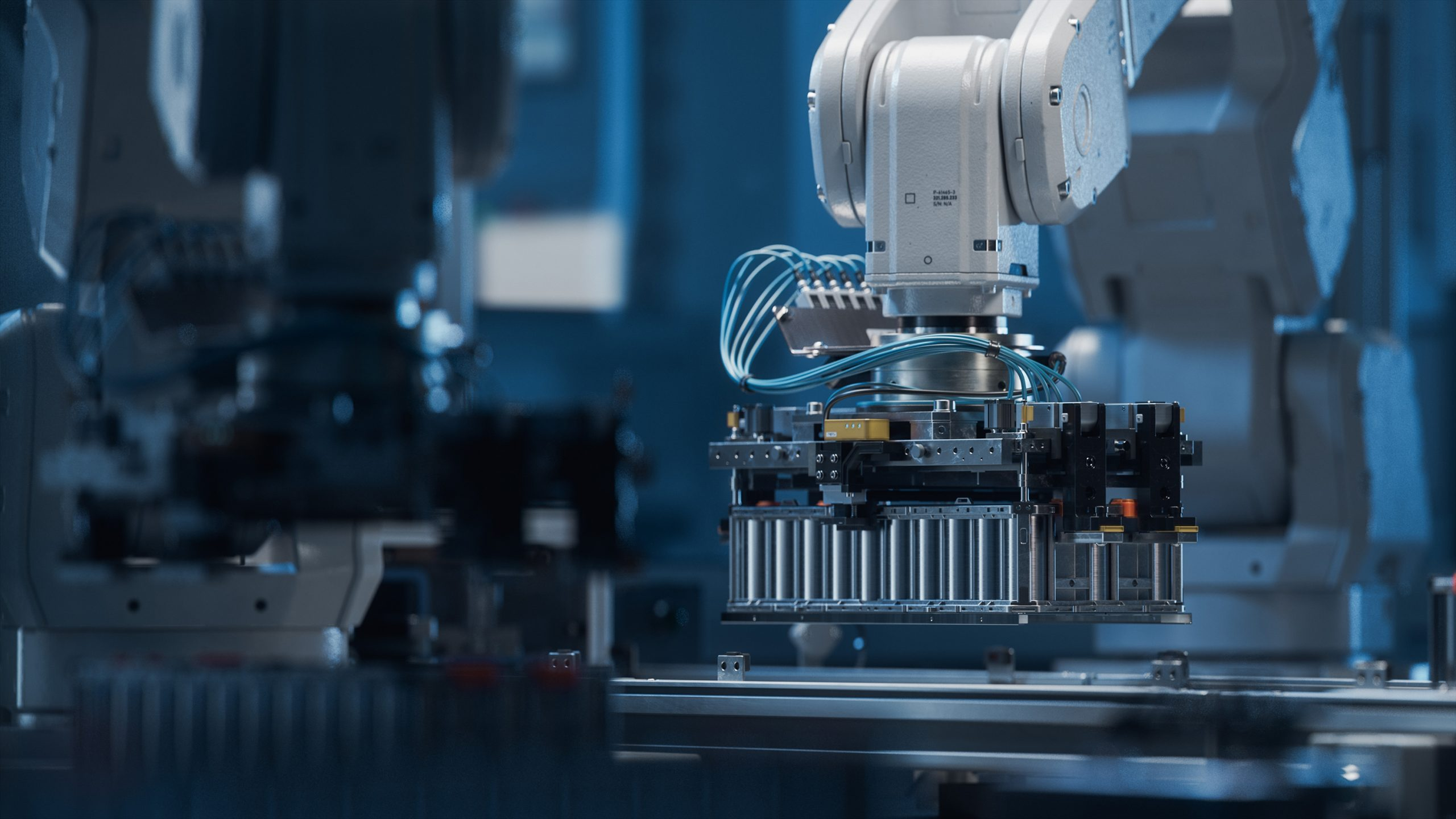
Slovak battery manufacturer InoBat announced on Friday that it has raised €100 million ($104 million) in its latest funding round, the largest for a technology company in Slovakia to date. This investment was led by Gotion High Tech, the Chinese battery cell maker and InoBat’s strategic partner. Other contributors included Slovakia’s sovereign wealth fund, Lilium, Bromo Capital, IPM Group, and Cielo Capital, alongside strategic investors such as Amara Raja and Rio Tinto.

Industry Significance

The announcement comes on the heels of Swedish EV battery maker Northvolt’s recent filing for Chapter 11 bankruptcy in the U.S., which has cast uncertainty over the future of Europe’s electric vehicle (EV) battery industry. Northvolt has been seeking to offload its electric industrial battery business by the end of the year, reflecting challenges faced by the sector.

In contrast, InoBat’s latest funding round highlights continued investor confidence in the Slovak company, particularly as Slovakia positions itself as a key player in Europe’s efforts to strengthen its EV battery industry and reduce reliance on Asian suppliers.

Background

In June, Slovakia’s Economy Minister Denisa Sakova announced a €1.2 billion investment plan by Gotion and InoBat to construct an EV battery plant in Slovakia. This project would represent the second-largest investment in the country’s history, underscoring the importance of the automotive sector to Slovakia’s economy.

Despite slower-than-expected demand for EVs, European countries have been competing to attract investments to bolster local battery production capacity.

Strategic Advantages

Andy Palmer, chairman of InoBat’s board, emphasized the importance of the company’s strategy in addressing Europe’s lag in battery technology. “Western Europe has been slow to react to the critical need for battery technology. InoBat has quietly gone about building both its own high-performance cell technology and its pragmatic partnership with Gotion to produce cost-effective cells,” Palmer stated.

Looking Ahead

InoBat plans to scale up the production of European-designed battery cells over the coming year and launch an energy storage business in collaboration with Gotion. Additionally, the company aims to start another funding round to support its expansion across Slovakia, Serbia, and Spain, while accelerating its presence in new markets.

This funding marks a significant step for InoBat as it seeks to meet growing demand for cost-effective and high-performance EV battery solutions amid a shifting European battery landscape.