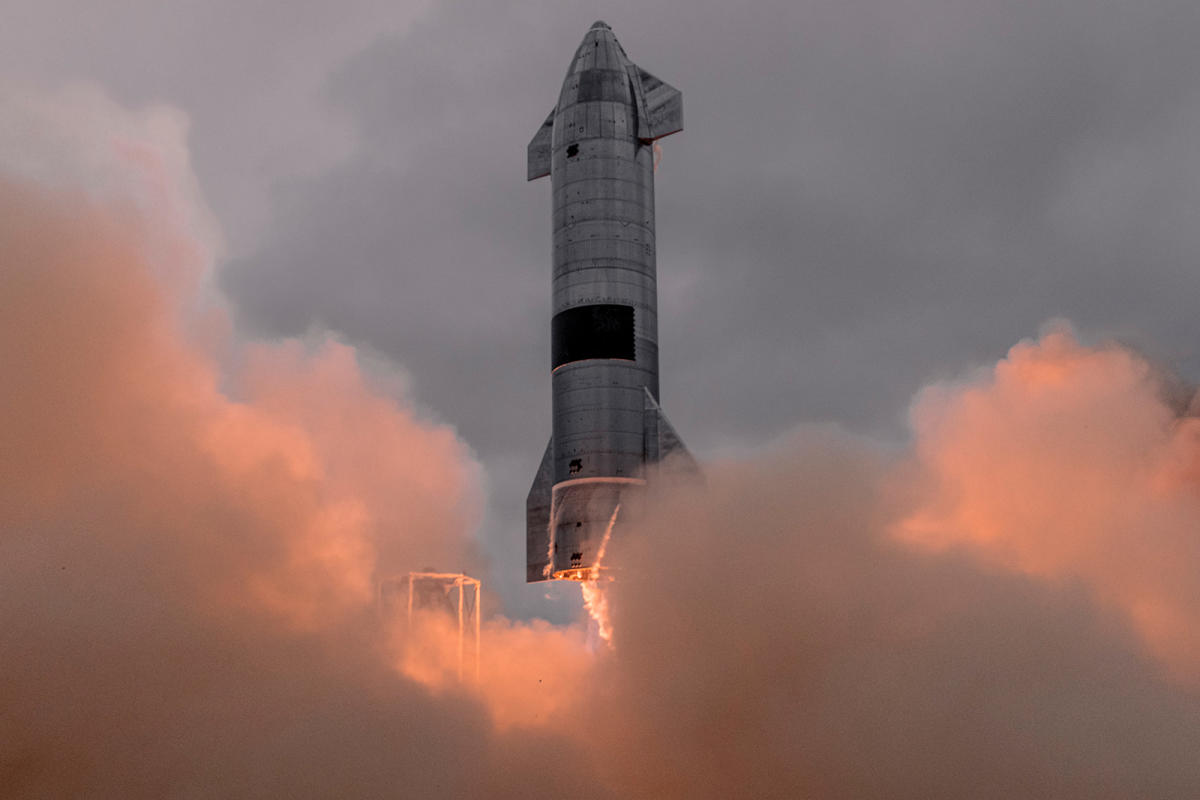
ULA Plans Vulcan Rocket Upgrade to Compete with SpaceX’s Starship

United Launch Alliance (ULA), the rocket venture between Boeing and Lockheed Martin, is planning an upgrade to its Vulcan rocket in a bid to compete with SpaceX’s Starship in the growing low Earth orbit (LEO) satellite launch market. According to ULA CEO Tory Bruno, the company aims to develop a version of the Vulcan rocket specifically designed to meet the demands of the LEO market, which has been largely dominated by SpaceX’s Starlink satellite deployments.

“We recently completed a major trade study for what we need to be competitive in the future LEO market,” Bruno told Reuters at a military space conference in Orlando. “We’ve selected a modification to Vulcan that gives us significantly more mass to LEO and puts us in a competitive range.”

The Vulcan rocket, powered by engines from Jeff Bezos’ Blue Origin, has already completed its first two launches this year. Initially designed for Pentagon missions, the Vulcan is now being reconfigured to cater to the commercial LEO satellite market. One potential upgrade is the “Vulcan Heavy,” a version with three core boosters for increased payload capacity. Bruno also mentioned other “unique” configurations, including propulsion placements in unconventional locations.

SpaceX’s Starship, which is primarily designed for crewed missions to the Moon and Mars, has turned its attention to accelerating its Starlink satellite launches into LEO. This has intensified competition for launch providers, as companies like Amazon also aim to deploy large satellite networks to challenge Starlink’s dominance. ULA aims to complete the Vulcan upgrade before SpaceX’s Starship becomes fully operational for LEO satellite launches, which Bruno suggests could take several years.

ULA has secured several Vulcan missions with Amazon, aimed at launching the company’s Kuiper satellite network. This makes the Vulcan an integral part of Amazon’s strategy to rival SpaceX’s Starlink. SpaceX has already conducted six test flights of Starship, demonstrating its commitment to testing and improving the rocket’s capabilities, while ULA plans to finalize the Vulcan design before launching it commercially.

In 2024, ULA is set to conduct eight Vulcan missions and 12 Atlas V missions, its predecessor. The Vulcan’s starting launch price is about $110 million, slightly above SpaceX’s Falcon 9, and ULA has a backlog of roughly 70 missions, including those for Amazon.

Although ULA has been considering a sale, drawing interest from companies such as Sierra Nevada Corp and Blue Origin, Bruno has declined to comment on any acquisition discussions.

 

Rhode Island Faces Data Breach as Hackers Demand Ransom

Rhode Island has been struck by a significant data breach, potentially compromising the personal and financial information of hundreds of thousands of residents. The breach, attributed to an international cybercriminal group, involves stolen sensitive data, including Social Security numbers, and has led to extortion demands. The hackers have threatened to release the information unless a ransom is paid, state officials reported on Saturday.

Governor Dan McKee confirmed that the breach affects individuals enrolled in the state’s government assistance programs, such as the Supplemental Nutrition Assistance Program (SNAP), Temporary Assistance for Needy Families (TANF), and healthcare services provided through HealthSource RI. The attack targeted the state’s RIBridges portal, an online platform for accessing social services, which was breached earlier this month.

Although the breach was initially detected, it was only confirmed on Friday after the state’s vendor, Deloitte, validated the hacking incident. The governor’s office stated that Deloitte had confirmed a high probability that a cybercriminal had accessed files containing personally identifiable information.

The breach may affect anyone who has applied for or received assistance through these programs since 2016. In response to the threat, RIBridges has been temporarily shut down, and those applying for new benefits will be required to use paper applications until the system is secured and restored.

Households believed to be affected by the breach will receive official notification from the state, along with guidance on how to protect their personal and financial data.


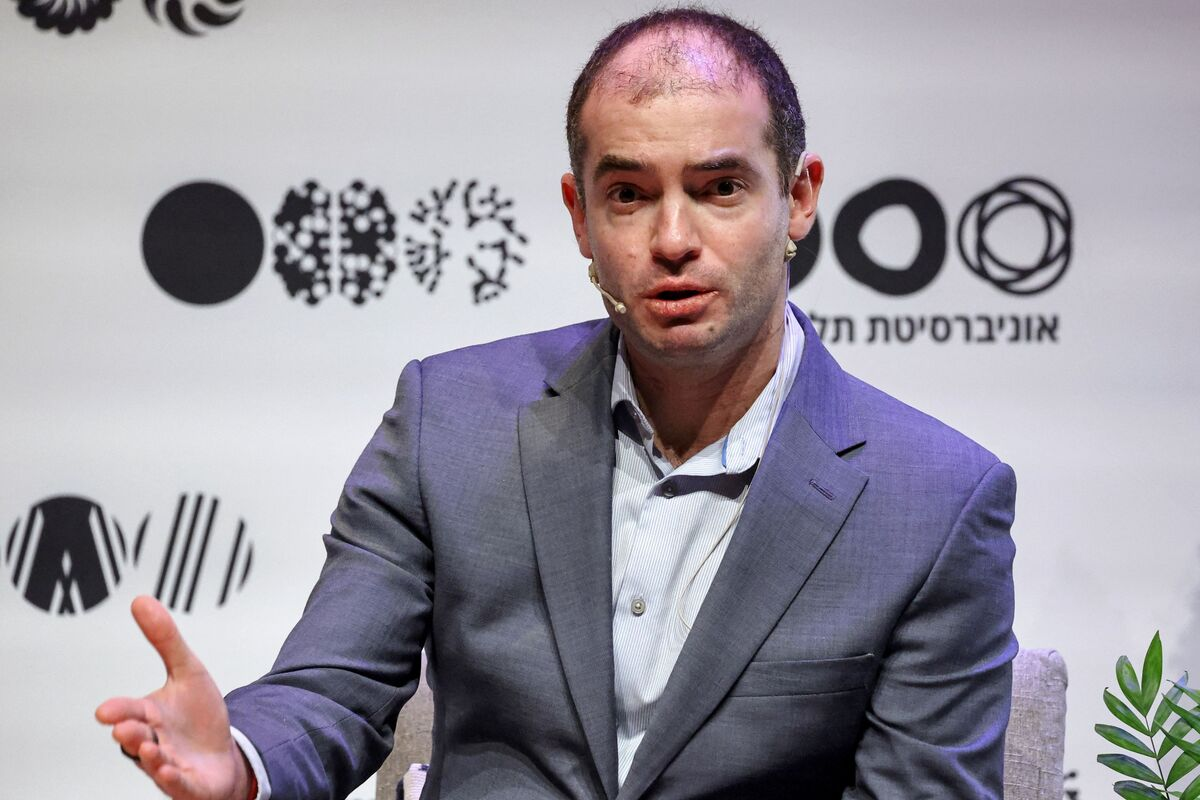
Ilya Sutskever Predicts Unpredictable AI With Advanced Reasoning Power

Ilya Sutskever, a prominent figure in artificial intelligence and co-founder of OpenAI, made a bold prediction during the NeurIPS conference in Vancouver on Friday: the rise of reasoning capabilities in AI will make the technology significantly less predictable.

Accepting the “Test of Time” award for his influential 2014 paper with Google’s Oriol Vinyals and Quoc Le, Sutskever reflected on the evolution of AI. He acknowledged that the idea his team explored a decade ago—scaling up data for pre-training AI systems—has fueled groundbreaking advancements like OpenAI’s ChatGPT, launched in 2022. However, he warned that this approach is nearing its limits.

“Pre-training as we know it will unquestionably end,” Sutskever stated, explaining that while computing power continues to grow, data availability is constrained. “We have but one internet,” he noted, highlighting the finite nature of online data.

Sutskever proposed potential solutions to this challenge. He suggested that AI itself could generate new data, or models could adopt methods that involve evaluating multiple answers before selecting the best response, thereby improving accuracy. Other researchers, he noted, are exploring the integration of real-world data to expand AI’s capabilities.

Looking ahead, Sutskever envisioned a future of superintelligent machines with profound reasoning capabilities and self-awareness. These AI systems, he claimed, will reason through problems in ways similar to humans but will inherently become more unpredictable as a result.

“The more it reasons, the more unpredictable it becomes,” Sutskever explained, referencing how systems like DeepMind’s AlphaGo astounded experts during its historic match against Lee Sedol in 2016 with its unconventional and inscrutable moves. Similarly, advanced chess AIs often make decisions that defy human logic, even at the highest levels of play.

Sutskever also hinted at long-awaited advancements in AI agents, which he believes will emerge in the future, demonstrating deeper understanding and problem-solving abilities. He emphasized that these developments will lead to AI systems that are “radically different” from current technology.

Sutskever’s comments come as he embarks on a new venture, Safe Superintelligence Inc., a company he co-founded this year following his brief involvement in the controversial ousting of Sam Altman from OpenAI. Reflecting on that event, Sutskever has publicly expressed regret for his role in the decision.

While Sutskever’s outlook on AI’s future is ambitious, it also underscores a growing debate in the AI community. As reasoning power increases, the trade-off between predictability and capability raises questions about how these systems will integrate into society and impact human decision-making.