
Trump Explores Privatizing U.S. Postal Service Amid Financial Challenges

President-elect Donald Trump has expressed a growing interest in privatizing the U.S. Postal Service (USPS), according to a Washington Post report on Saturday. The report, citing insiders familiar with the discussions, revealed that Trump views the USPS’s financial struggles as a justification for removing its government subsidy.

The USPS, which has incurred losses exceeding $100 billion since 2007, reported a $9.5 billion net loss for its fiscal year ending September 30, marking a $3 billion increase from the previous year. Much of the loss was attributed to higher non-cash workers’ compensation expenses.

Trump reportedly discussed privatization plans with Howard Lutnick, his nominee for commerce secretary, during a meeting at Mar-a-Lago. Additionally, officials expected to join the Department of Government Efficiency under Elon Musk and Vivek Ramaswamy have also explored potential USPS reforms, sources revealed.

A USPS spokesperson highlighted efforts to cut costs, including reducing 45 million work hours and trimming $2 billion in transportation expenses over the past three years. They also stated that regulatory approval for modernizing the postal network could save the agency $3.6-$3.7 billion annually.

Karoline Leavitt, a spokesperson for Trump’s transition team, emphasized that no policy decisions are final until officially announced by Trump or his representatives.

Privatization of the USPS could have significant repercussions, particularly for the U.S. e-commerce sector and rural communities. Amazon, a major USPS partner for last-mile delivery, and small businesses reliant on affordable shipping options could face disruptions. As the only carrier delivering to remote areas, USPS plays a critical role in serving rural Americans.

Amazon, which announced a $1 million donation to Trump’s inaugural fund, may also face further scrutiny. The Trump transition team is reportedly reviewing USPS contracts with Oshkosh and Ford for electrifying its delivery fleet, potentially seeking to unwind these agreements.

The USPS’s financial struggles have been a contentious issue for years. In 2020, Congress authorized a $10 billion loan for the agency as part of a $2.3 trillion coronavirus relief package, a measure Trump threatened to veto.

If pursued, privatization would represent one of the most significant shifts in USPS’s history, raising questions about the future of affordable and universal mail delivery in the United States.

 

Iranian Rial Hits Record Low Amid Escalating U.S. and European Tensions

The Iranian rial fell to a historic low on Saturday, trading at 756,000 against the U.S. dollar on the unofficial market, as reported by Bonbast.com. Another exchange tracker, bazar360.com, indicated similar rates, with the dollar being sold for approximately 755,000 rials. This marks a steep decline from 741,500 rials on Friday, reflecting escalating economic and geopolitical pressures.

The currency’s downturn is attributed to mounting uncertainty surrounding Donald Trump’s return to the White House in January. Concerns are growing that Trump may reinstate his “maximum pressure” strategy on Iran, potentially imposing harsher sanctions and bolstering Israel’s ability to target Iranian nuclear sites.

Iran’s economy is also reeling from rising inflation, officially pegged at 35%, prompting citizens to safeguard their wealth by purchasing dollars, other hard currencies, gold, and cryptocurrencies. This behavior has added to the downward pressure on the rial.

The currency’s fall accelerated after the UN nuclear watchdog, the International Atomic Energy Agency (IAEA), passed a resolution proposed by European nations condemning Tehran. The resolution raises the likelihood of further sanctions, compounded by the recent collapse of Syrian President Bashar al-Assad’s regime, a long-standing ally of Iran.

Iran’s currency has been in freefall since 2018, when Trump withdrew from the 2015 nuclear deal brokered by then-President Barack Obama. The deal had placed strict limits on Iran’s uranium enrichment capabilities in exchange for economic relief. However, Trump’s reimposition of sanctions in 2018 caused the rial to lose over 90% of its value.

As January approaches, analysts predict continued volatility in the rial’s value, with uncertainties about U.S. foreign policy and Western diplomatic actions further exacerbating the situation.


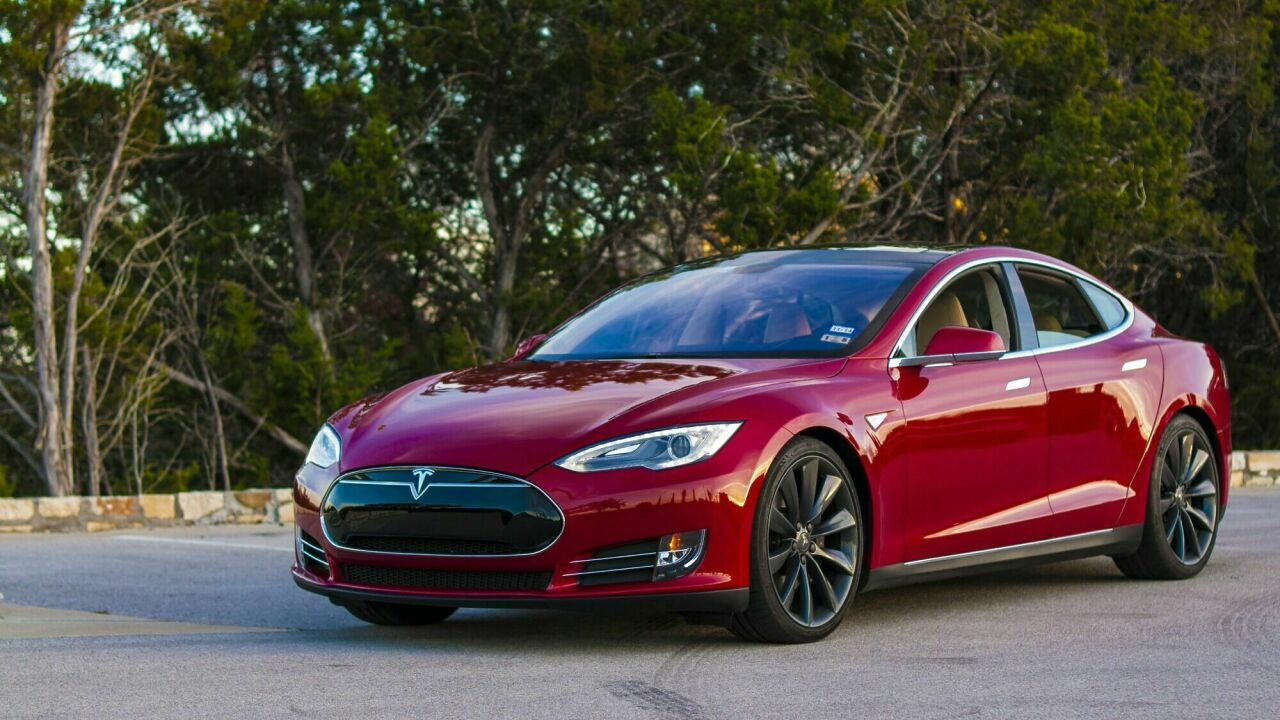
Tesla Increases Model S Prices in the U.S. by $5,000

Tesla has raised the prices of its Model S vehicles in the United States by $5,000, as reflected on the company’s official website.

The base variant of the Model S, equipped with All-Wheel Drive (AWD), now starts at $79,990, while the high-performance “Plaid” variant is priced at $94,990.

Tesla has not provided an official reason for the price increase, but it comes amid ongoing adjustments to its vehicle pricing strategy in response to market dynamics and production costs.

The change follows recent fluctuations in pricing across Tesla’s lineup, as the company continues to balance affordability with maintaining its profit margins.