iPhone’s 20th Anniversary Edition Set to Feature Bold New Glass-Centric Design, Report Claims

Apple’s iPhone 17 series is set to introduce a few design updates, including the anticipated release of a new iPhone Air, but these changes are not expected to be as radical as the transformations seen with past models like the iPhone 12 or iPhone X. Despite years of iterative updates, Apple’s design approach for its iPhones has largely remained unchanged since the iPhone 12, which means many users have yet to see a significant departure from the existing design. However, new insights suggest that Apple is preparing for a much bolder redesign when it comes to the iPhone 19 series, expected to debut in 2027.

Mark Gurman from Bloomberg, a reliable source for Apple leaks, recently shared some exciting details about the 20th anniversary iPhone in his weekly “Power On” newsletter. According to Gurman, Apple is planning a “major shake-up” for this milestone release, with a particular focus on a new design direction. Notably, Gurman mentions that Apple is working on a foldable version of the iPhone, but it’s the iPhone 19 Pro model that will reportedly feature a groundbreaking design making “extensive use of glass.” This marks a significant shift, as Apple is poised to experiment with materials and aesthetics in ways they haven’t done in recent years.

The heavy reliance on glass for the iPhone 19 Pro’s design recalls the original vision of Jony Ive, Apple’s former design chief. Ive famously envisioned an iPhone that could appear to be made from a single sheet of glass, an idea that was partially realized with the iPhone X. While modern iPhones are often referred to as “slabs of glass,” they have grown bulkier and more complex since the sleek days of the pre-iPhone X designs. The concept of an entirely glass-centric phone seems poised for a comeback, bringing with it the potential for a more minimalist and refined aesthetic.

This shift could redefine the iPhone’s visual identity as we know it, possibly bringing the brand back to its roots of simplicity and elegance. With the iPhone 19 series, Apple seems ready to embrace a design philosophy that reflects a more futuristic and visually seamless device. As we look ahead to 2027, it will be fascinating to see how Apple integrates this bold new glass-based design into its lineup, potentially transforming the smartphone landscape once again.
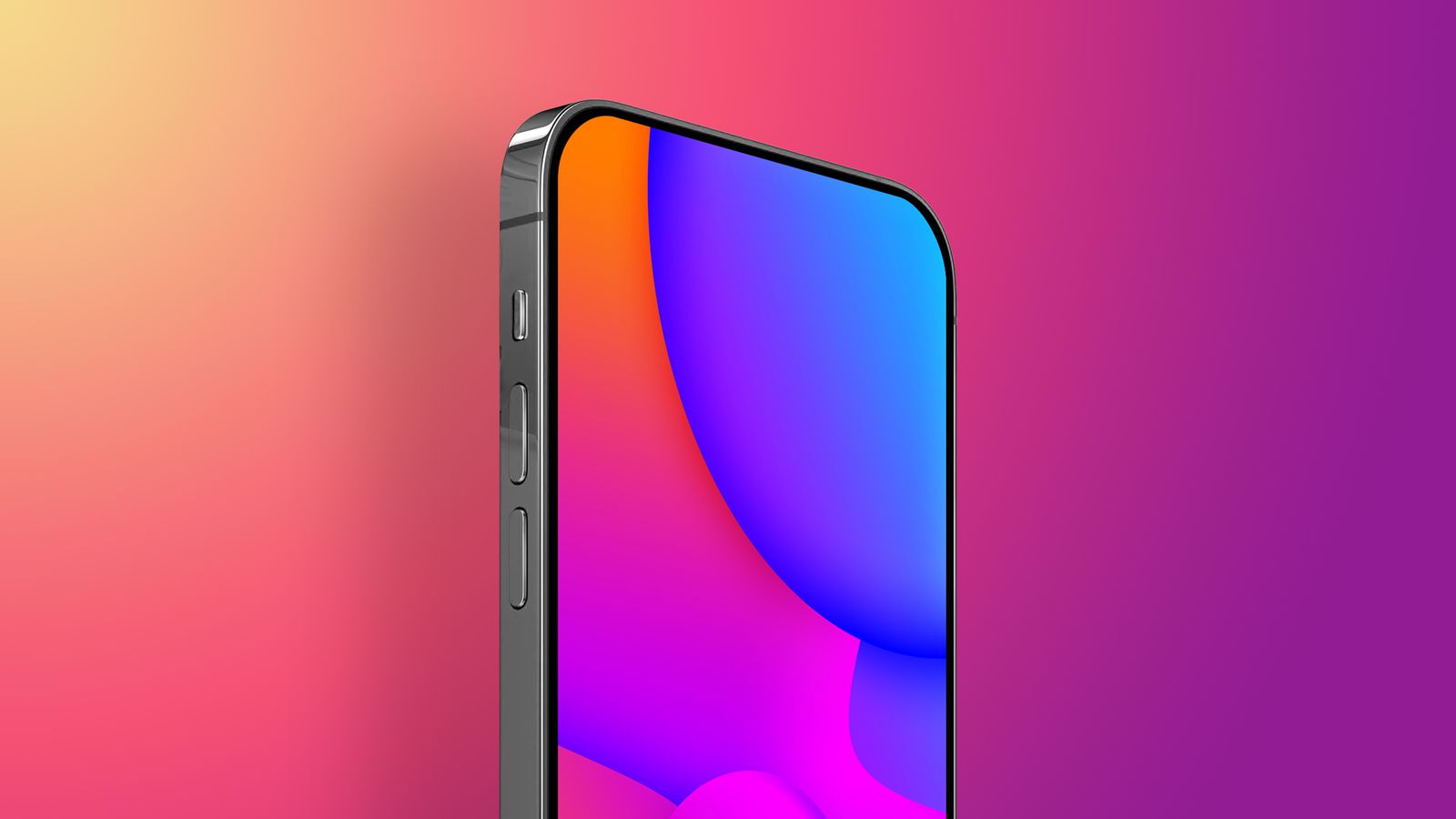

iPhone’s 20th Anniversary Edition Set to Feature Bold New Glass-Centric Design, Report Claims

Apple’s iPhone 17 series is set to introduce a few design updates, including the anticipated release of a new iPhone Air, but these changes are not expected to be as radical as the transformations seen with past models like the iPhone 12 or iPhone X. Despite years of iterative updates, Apple’s design approach for its iPhones has largely remained unchanged since the iPhone 12, which means many users have yet to see a significant departure from the existing design. However, new insights suggest that Apple is preparing for a much bolder redesign when it comes to the iPhone 19 series, expected to debut in 2027.

Mark Gurman from Bloomberg, a reliable source for Apple leaks, recently shared some exciting details about the 20th anniversary iPhone in his weekly “Power On” newsletter. According to Gurman, Apple is planning a “major shake-up” for this milestone release, with a particular focus on a new design direction. Notably, Gurman mentions that Apple is working on a foldable version of the iPhone, but it’s the iPhone 19 Pro model that will reportedly feature a groundbreaking design making “extensive use of glass.” This marks a significant shift, as Apple is poised to experiment with materials and aesthetics in ways they haven’t done in recent years.

The heavy reliance on glass for the iPhone 19 Pro’s design recalls the original vision of Jony Ive, Apple’s former design chief. Ive famously envisioned an iPhone that could appear to be made from a single sheet of glass, an idea that was partially realized with the iPhone X. While modern iPhones are often referred to as “slabs of glass,” they have grown bulkier and more complex since the sleek days of the pre-iPhone X designs. The concept of an entirely glass-centric phone seems poised for a comeback, bringing with it the potential for a more minimalist and refined aesthetic.

This shift could redefine the iPhone’s visual identity as we know it, possibly bringing the brand back to its roots of simplicity and elegance. With the iPhone 19 series, Apple seems ready to embrace a design philosophy that reflects a more futuristic and visually seamless device. As we look ahead to 2027, it will be fascinating to see how Apple integrates this bold new glass-based design into its lineup, potentially transforming the smartphone landscape once again.

Microsoft Unveils AI-Powered Playable Quake II Demo for Gamers

Microsoft introduced an innovative AI-generated playable demo of Quake II through its Copilot Labs platform. This interactive real-time gameplay experience showcases the potential of artificial intelligence in video game development. The tech giant used its newly released Muse AI models in combination with a cutting-edge approach called World and Human Action MaskGIT Model (WHAMM) to create the demo. This new method allows for dynamic world generation within the game, offering an experience that adapts in real-time to player actions. While this demo is currently available as a research preview to the public, Microsoft has outlined several limitations to the AI-generated gameplay, providing users with an understanding of its current boundaries.

In a detailed blog post, Microsoft’s researchers elaborated on how they harnessed the power of AI to build this playable demo. The integration of AI into 2D and 3D game generation has become an exciting frontier for game developers and researchers alike. The challenge lies in training AI models to generate real-time, interactive environments that can also adapt to the mechanics of a human player. This experiment is more than just a game demo—it’s part of a larger effort to test AI’s capabilities in simulating real-world tasks, such as controlling robots and other physical systems, by leveraging its ability to respond to user inputs in a digital environment.

Quake II, the iconic 1997 first-person shooter developed by id Software and published by Microsoft-owned Activision, serves as the perfect testing ground for this AI-driven experiment. The game, known for its fast-paced action and intricate level design, incorporates a variety of mechanics including shooting, jumping, crouching, and environmental destruction, which all needed to be accurately replicated by the AI. The demo available through Copilot Labs allows users to experience one level of Quake II for about two minutes, offering a glimpse into how AI can mimic complex gameplay mechanics.

For players, this demo provides an exciting opportunity to experience Quake II in a way never seen before, using either a controller or keyboard to navigate through the AI-generated world. While the demo is still in its early stages, the potential applications for AI in game development are vast. By demonstrating its ability to create interactive, responsive game environments, Microsoft is pushing the boundaries of both gaming and artificial intelligence, offering a sneak peek into the future of gaming technology.