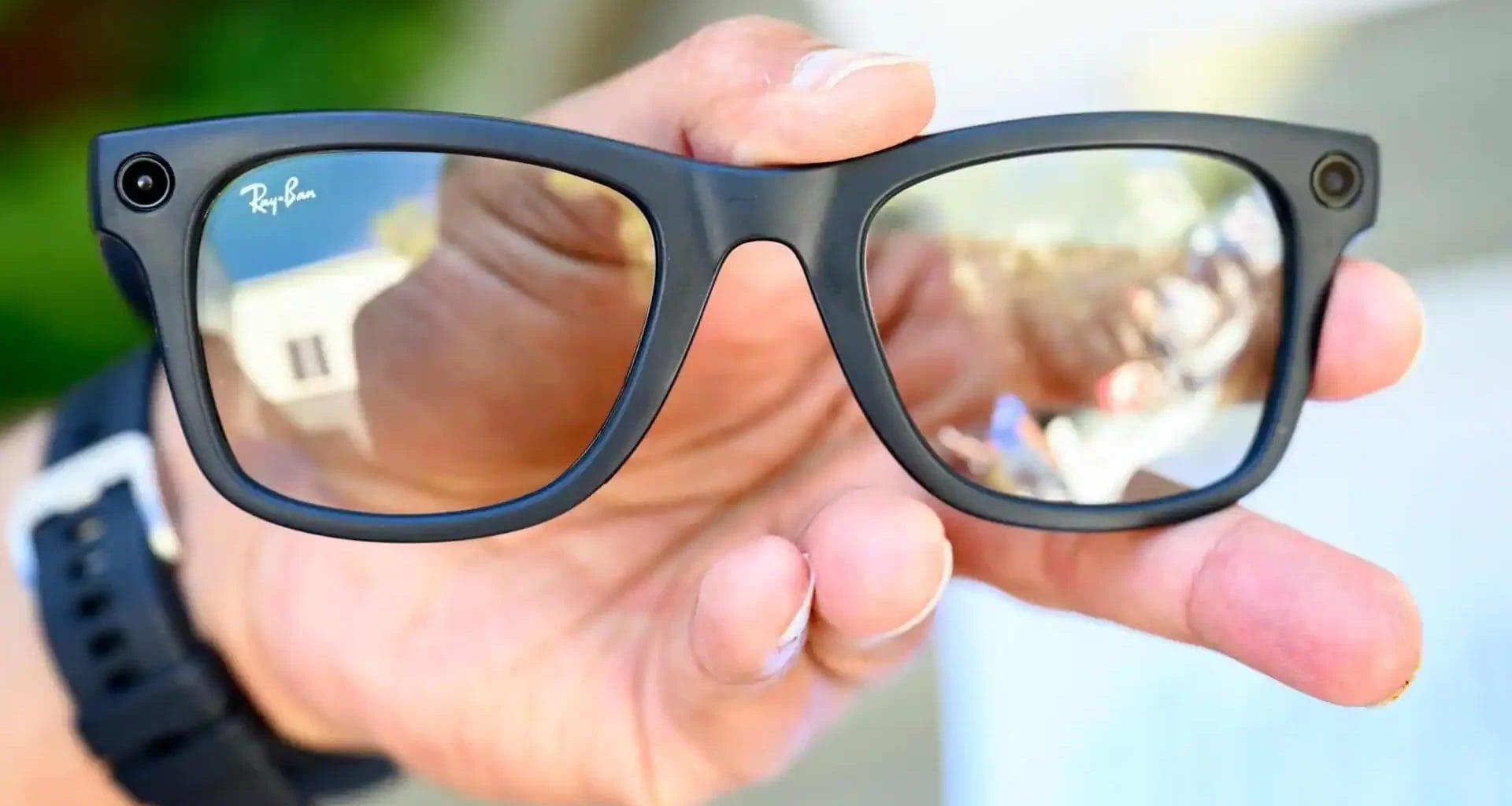
Meta Reportedly Developing Hypernova Smart Glasses Featuring Built-In Display and Hand Gesture Support

Meta is reportedly developing a new generation of smart glasses that could serve as a more advanced follow-up to its Ray-Ban Meta Glasses. Internally dubbed “Hypernova,” the upcoming wearable is said to feature a built-in display and support for intuitive hand gesture controls. The initiative marks another step in Meta’s broader vision for augmented reality, following the public reveal of its futuristic Project Orion smart glasses in 2024.

According to a Bloomberg report citing sources familiar with the matter, the Hypernova glasses will be equipped with a single screen embedded in the lower right portion of the right lens. This display is expected to let users access apps, view media, and interact with visual content through their right eye by glancing downward. The design appears to strike a balance between subtlety and utility, integrating a digital interface into a familiar eyewear form factor.

The glasses won’t rely solely on traditional touch or voice controls. Instead, Meta is developing a companion device—currently codenamed “Ceres”—in the form of a neural wristband. This accessory would enable users to control the smart glasses using hand movements and gestures, such as pinching to select or rotating the wrist to scroll. This gesture-based interface could represent a significant step forward in wearable computing, offering a more natural and immersive way to interact with digital content.

While the Hypernova glasses are still in development, a second-generation model is reportedly already in the works, underscoring Meta’s long-term commitment to smart eyewear. The new devices are expected to run on a customized version of Android, tailored to support Meta’s unique ecosystem of applications and features. If successful, these smart glasses could signal a major shift in how we access and interact with information on the go, bridging the gap between smartphones and full-scale AR headsets.

Meta Hypernova Smart Glasses: Built-In Screen & Hand Gesture Support in Development

Meta is developing an advanced pair of smart glasses, reportedly dubbed “Hypernova,” which are expected to build upon the success of the Ray-Ban Meta Glasses. These new glasses are said to come with several key upgrades, including a built-in screen for viewing apps and media. The display, positioned in the lower right quadrant of the right lens, will enable users to access apps, photos, and media directly through their right eye. This functionality will allow a seamless, hands-free experience, with users being able to look down to see their content.

In addition to the display, the Hypernova glasses are expected to feature hand gesture controls for navigation. Users will be able to interact with the glasses by rotating their hands or performing pinch gestures, enabling actions such as scrolling and selecting content within apps. To facilitate these controls, the glasses may be accompanied by a “neural wristband,” known internally as “Ceres.” This wristband is designed to enhance the hand gesture system and provide users with more intuitive control over their wearable device.

The Meta Hypernova smart glasses will reportedly run on a customized version of Android, offering a unique user interface tailored specifically for the device. Unlike traditional smart glasses, the Hypernova will not feature a standard app store, focusing instead on a curated set of functions designed for ease of use. In addition to hand gestures, the glasses will support swipe and tap controls located on the arms of the device, providing further customization for how users interact with their smart glasses.

Beyond their ability to display media, the Hypernova glasses will offer a variety of practical functions. Users will be able to capture images and videos, which can be viewed and managed through a dedicated app. A Maps app will allow for turn-by-turn directions to be displayed, while notifications from apps like WhatsApp and Facebook Messenger will be visible on the device, syncing with the user’s smartphone. Powered by a Snapdragon chip, the Meta Hypernova glasses are expected to bring a more robust and capable experience, paving the way for a new generation of wearable technology.

ChatGPT Usage Soars to New Heights Following Launch of Viral “Ghibli Effect” Feature

The recent rollout of ChatGPT’s image-generation feature, which enables users to create Ghibli-style artwork, has caused a significant surge in the platform’s usage. This viral trend quickly captured the attention of social media users worldwide, pushing OpenAI’s servers to their limits. The excitement surrounding the ability to generate hand-drawn, Studio Ghibli-inspired images sent waves of activity through the platform, leading to temporary restrictions on the feature’s availability as OpenAI worked to manage the flood of requests.

Studio Ghibli, renowned for its enchanting animation style in films like “Spirited Away” and “My Neighbor Totoro,” has inspired a dedicated global fanbase. This fandom recently found a new outlet through ChatGPT’s AI art generator, allowing them to recreate the iconic look of these films in a digital format. As users eagerly shared their Ghibli-style creations on social media, the trend quickly gained momentum, capturing the imagination of both old fans and newcomers alike.

As a result of this viral activity, ChatGPT saw its weekly active users reach unprecedented levels. For the first time this year, the platform exceeded 150 million active users, according to data from market research firm Similarweb. OpenAI CEO Sam Altman celebrated the growth, noting that the platform added a million users in just one hour, a sharp contrast to the pace of one million new users in five days during ChatGPT’s initial explosive launch two years ago.

This surge in usage had far-reaching effects. In addition to record-breaking user activity, both app downloads and in-app subscription revenue saw significant increases. SensorTower data highlighted a 11 percent jump in global app downloads and a 5 percent rise in weekly active users compared to the previous week. In-app purchase revenue also grew by 6 percent, indicating that the enhanced capabilities of GPT-4o, particularly in the realm of image generation, have sparked even more interest in ChatGPT’s premium offerings.