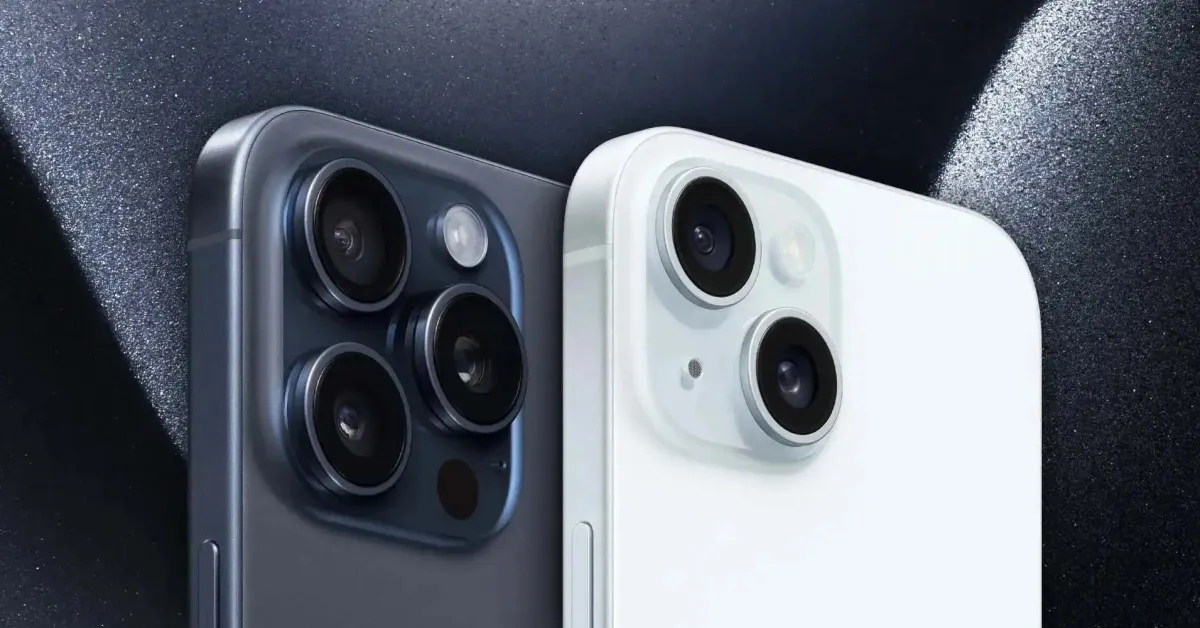
EU Mandates EPREL Labels on Electronic Devices From June to Display Battery Life and Key Specifications

Starting June 2025, electronic devices sold within the European Union—including smartphones, tablets, and certain cordless phones—will be required to include a new EPREL (European Product Registry for Energy Labelling) sticker. This move is part of the EU’s broader Energy Labelling Regulation, officially adopted by the European Parliament on April 16, 2024. The new rule aims to empower consumers with clearer, standardized information about a device’s energy efficiency, battery life, and durability. By doing so, the regulation promotes more sustainable purchasing decisions and encourages manufacturers to prioritize long-term performance.

The EPREL sticker, also known as the ENERGY label, must be included inside the packaging of all newly marketed devices beginning June 20, 2025. This label will display key performance metrics, such as battery endurance, energy class, water and dust resistance, and drop protection. It will also include a repairability score to inform users how easy the device is to fix—an effort to reduce e-waste by extending product lifespans. Notably, the label must be updated if any specification changes occur, such as through software or firmware updates that affect power or performance.

The regulation covers a wide range of devices: smartphones with cellular or satellite capabilities, feature phones without internet access or third-party apps, tablets with screen sizes between 7 inches and 17.4 inches, and even cordless landline phones. However, mobile phones and tablets that feature a flexible primary display—like foldable phones—are exempt from the requirement. This selective application highlights the EU’s intent to focus on mainstream consumer electronics that have high turnover rates and energy consumption.

According to the European Commission, this regulation is designed to support informed decision-making and encourage consumers to consider sustainability factors alongside technical specifications when choosing electronic products. It places added responsibility on original equipment manufacturers (OEMs), who must ensure the EPREL label remains accurate throughout the product’s lifecycle. If changes like operating system updates significantly alter a device’s energy profile, companies will be required to retest the device and revise the label accordingly. This push toward transparency is a notable step in the EU’s larger sustainability agenda, aligning with its goals to reduce environmental impact and promote a circular economy.
Portronics Launches Fynix With 30W Sound Output and Six-Day Battery Life: Key Specs and Pricing

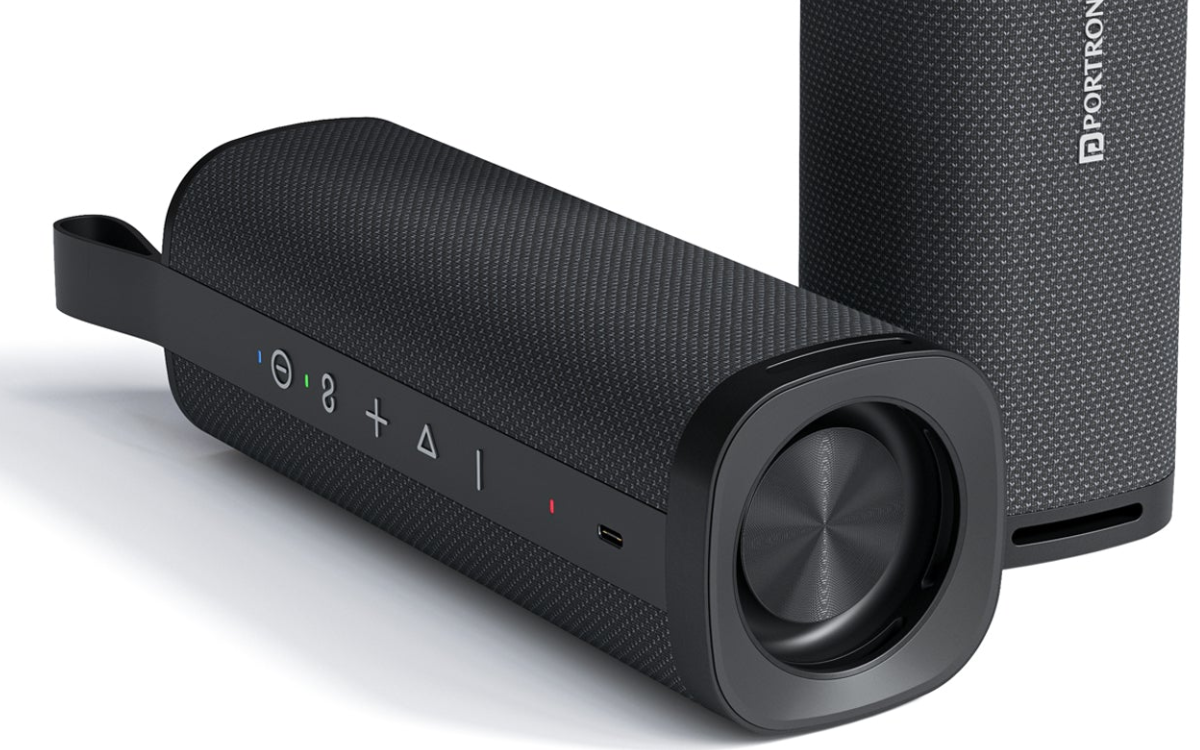
Portronics has introduced its latest portable Bluetooth speaker, the Fynix, in the Indian market. Designed for users who want power-packed performance in a compact form, the Fynix comes equipped with a dual driver setup and promises immersive sound with a 30W audio output. It also includes convenient features like an inbuilt microphone, USB Type-C charging port, and the ability to connect two Fynix units for a true stereo experience via TWS (True Wireless Stereo) mode. With a claimed battery life of up to six hours and a splash-resistant design, the Fynix aims to be a reliable companion for indoor and outdoor use alike.

The Portronics Fynix is priced competitively at Rs. 2,599 in India and includes a 12-month warranty. It is available for purchase through multiple channels including Amazon, the official Portronics India website, and select retail outlets. The speaker is offered in a sleek black color, giving it a minimal yet rugged look that aligns well with both home setups and on-the-go lifestyles.

Feature-wise, the Fynix stands out with a rubberised strip on its side that houses tactile control buttons. These buttons allow users to power the device on and off, pair it with Bluetooth devices, control volume, manage playback, and activate TWS mode. While it has a splash-resistant build to endure light exposure to water, Portronics has not specified an official IP rating for water resistance. Additionally, a built-in loop strap makes it easier to carry the speaker around, enhancing its portability.

In terms of audio capabilities, the Fynix supports Bluetooth 5.3 for stable and efficient wireless connectivity. It also includes dual passive bass radiators, which are designed to deliver deep bass along with clear treble, enhancing the overall listening experience. Whether used solo or paired with another unit, the Portronics Fynix seems to be a solid choice for users looking for a powerful yet affordable Bluetooth speaker option in the Indian market.

Cohere Unveils Embed 4: An AI-Driven Multimodal Search Engine for Efficient Enterprise Data Access

Cohere has launched Embed 4, an advanced AI-powered embedding tool designed to enhance the search and retrieval capabilities for businesses developing AI applications. Released last week, the new tool is aimed at enterprises looking to improve the efficiency of their AI systems in handling complex, multimodal documents. Embed 4 is engineered to understand a broad range of document types, enabling AI models to easily retrieve the precise information needed to complete tasks. Additionally, Cohere claims that Embed 4 can help companies reduce data storage costs by using compressed embeddings rather than storing full documents.

Embed 4 offers a sophisticated multimodal approach to embedding, which allows it to seamlessly integrate with existing AI systems and provide enhanced search and retrieval functionalities. The tool is currently accessible via the Cohere website, as well as through major platforms like Microsoft Azure AI Foundry and Amazon SageMaker. This makes it easy for businesses to implement Embed 4 in their cloud infrastructure or private environments. Furthermore, businesses have the flexibility to deploy Embed 4 in virtual private clouds (VPCs) or on-premises, depending on their operational needs.

One of the key features of Embed 4 is its ability to augment traditional AI models with Retrieval-Augmented Generation (RAG) technology. RAG is a process that enables AI systems to search for and retrieve relevant information from their knowledge base in real time, based on specific keywords and algorithms. With Embed 4, this functionality is enhanced, allowing businesses to use external data sources more efficiently while maintaining the same level of precision and accuracy.

For enterprises that rely heavily on AI models for decision-making and operational efficiency, Embed 4 promises to be a valuable tool. By improving the way AI systems retrieve and process complex data, it not only accelerates tasks but also helps optimize storage and computing resources. Cohere’s Embed 4 could play a crucial role in the future of AI-powered enterprise solutions, making it easier for businesses to harness the full potential of their data while cutting down on unnecessary costs.