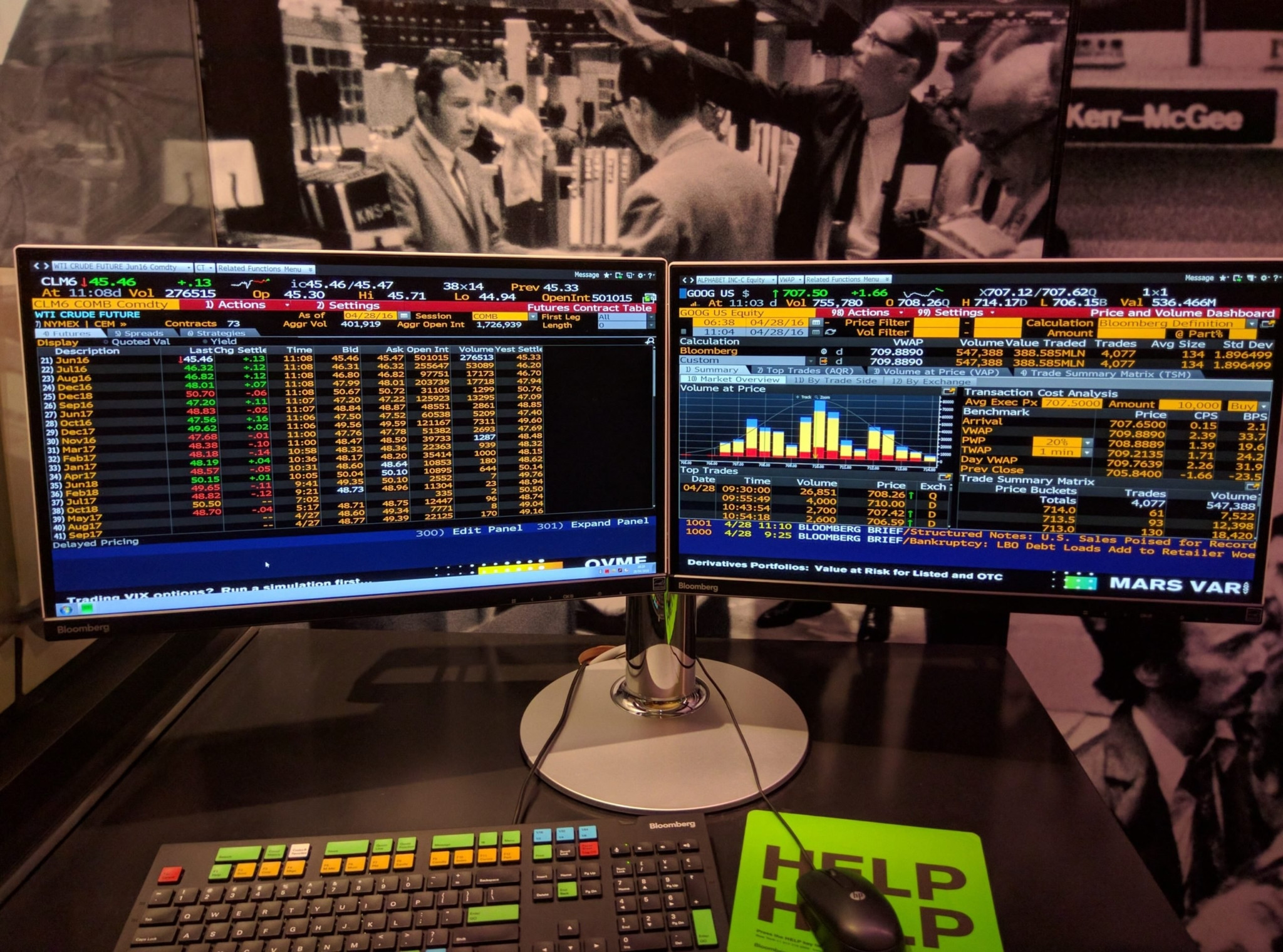
Bloomberg Terminal Restored After Outage Disrupts European Bond Auctions

Bloomberg’s terminal systems are back online after a brief but impactful outage on Wednesday that disrupted financial markets and delayed several government bond auctions across Europe.

The outage affected key functionalities used by traders and government agencies to submit bids, track market data, and manage financial transactions in real time. Bloomberg confirmed that the Terminal service — its flagship product used globally by financial professionals — was “returning to normal operations.”

“Terminal functionality has been restored following a service disruption earlier today,” a Bloomberg spokesperson said.

Auctions Delayed Across Europe

The disruption had immediate ripple effects on sovereign debt auctions:

  • The UK Debt Management Office (DMO) postponed its government debt auction, though the sale was later completed.

  • Portugal’s bill auction was rescheduled to 14:30 CEST (1230 GMT).

  • Sweden delayed its scheduled bond sale, citing “technical issues” linked to Bloomberg’s auction system.

  • The European Union also pushed back the deadline for its EU Bonds auction by one hour, to 1300 CEST (1100 GMT).

The Swedish debt office noted that its auctions depend on Bloomberg’s platform for bid submissions, highlighting the system’s central role in European public debt markets.

Market Impact

The outage left traders without access to live pricing and market data, with some terminals going completely blank.

“You can’t load anything new, you can’t update spreadsheets, some of the auctions have been delayed,” said Peter Schaffrik, chief European macro strategist at RBC.

Although the service disruption was brief, the incident underscores the financial sector’s reliance on real-time data infrastructure like Bloomberg’s terminals. For many institutional clients, even a short blackout can stall trading activity and impair price discovery.

The cause of the outage has not yet been disclosed.

Crusoe Secures $11.6 Billion to Expand Texas AI Data Center, Supporting OpenAI Infrastructure

AI infrastructure startup Crusoe has raised an additional $11.6 billion to significantly expand its upcoming data center in Abilene, Texas, marking one of the largest funding rounds in the emerging “neocloud” space. The new capital brings the total raised for the project to $15 billion and will allow Crusoe to expand the facility from two to eight buildings, the company confirmed on Wednesday.

Founded in 2018 as a crypto-focused firm, Crusoe has since pivoted to become a specialized cloud provider for AI workloads, part of a new wave of “neoclouds” that offer tailored infrastructure beyond the traditional giants like AWS, Azure, and Google Cloud.

Crusoe has been contracted by Oracle to construct the first data center for Stargate — a major AI infrastructure initiative backed by OpenAI, SoftBank, and Oracle, with a planned $500 billion investment in global AI infrastructure. According to The Wall Street Journal, the Abilene facility is set to become OpenAI’s largest data center.

“Our customer is Oracle. OpenAI is Oracle’s customer,” Crusoe clarified in a statement, emphasizing its indirect yet vital role in supporting the ChatGPT creator’s infrastructure needs.

The project is seen as part of OpenAI’s long-term goal to reduce reliance on Microsoft, its current primary cloud provider.

Key Details:

  • Location: Abilene, Texas

  • Total Buildings: 8 (up from 2)

  • AI Chips: Each building will house up to 50,000 Nvidia Blackwell systems

  • Sponsors: Crusoe, Blue Owl’s Real Assets platform, and Primary Digital Infrastructure

The facility will support intensive generative AI workloads, crucial for OpenAI’s future model development and deployment.

The explosive growth in demand for AI compute capacity has fueled an investment boom in data centers powered by specialized chips like Nvidia’s Blackwell series — a market Crusoe is aggressively entering.

Neither OpenAI nor Nvidia responded to requests for comment at the time of publication.