Intel Weighs Sale of Networking and Edge Unit in Strategic Refocus Under New CEO

Intel is considering divesting its networking and edge computing division — previously known as NEX — as part of a broader strategy to streamline operations and refocus on its core strengths in PC and data center chips, according to sources familiar with internal discussions.

Under new CEO Lip-Bu Tan, the tech giant is evaluating the relevance of its diverse business units to prioritize areas where it maintains market leadership. Tan emphasized at an event in Taipei that Intel commands 68% of the PC chip market and 55% of the data center chip market, and plans to “expand and build on” those domains.

Although no formal sale process has been launched yet, Intel has initiated early-stage discussions, spoken with third parties potentially interested in the NEX business, and interviewed investment banks to possibly advise on the transaction. However, no advisor has been officially retained, and options remain open.

Sources indicate that the networking and edge unit — which generated $5.8 billion in revenue in 2024 — is no longer seen as essential to Intel’s growth plans. The company now folds NEX’s financials into its broader PC and data center segments, eliminating separate reporting.

The telecom-focused segment within NEX is especially seen as misaligned with Intel’s new direction, and competitors like Broadcom dominate significant parts of the networking market, further reducing Intel’s strategic incentive to compete there.

While Intel has not committed to a full divestiture, it may explore partnerships, stake sales, or restructuring alternatives. The potential NEX sale follows other recent portfolio adjustments — notably, the $4.46 billion sale of a majority stake in its Altera unit to SilverLake in April. That move came after previously planned IPO ambitions for Altera under former CEO Pat Gelsinger.

Despite this refocusing, Intel continues to face pressure as it loses ground in the PC and data center markets, making Tan’s efforts a critical pivot point for the company’s future trajectory.
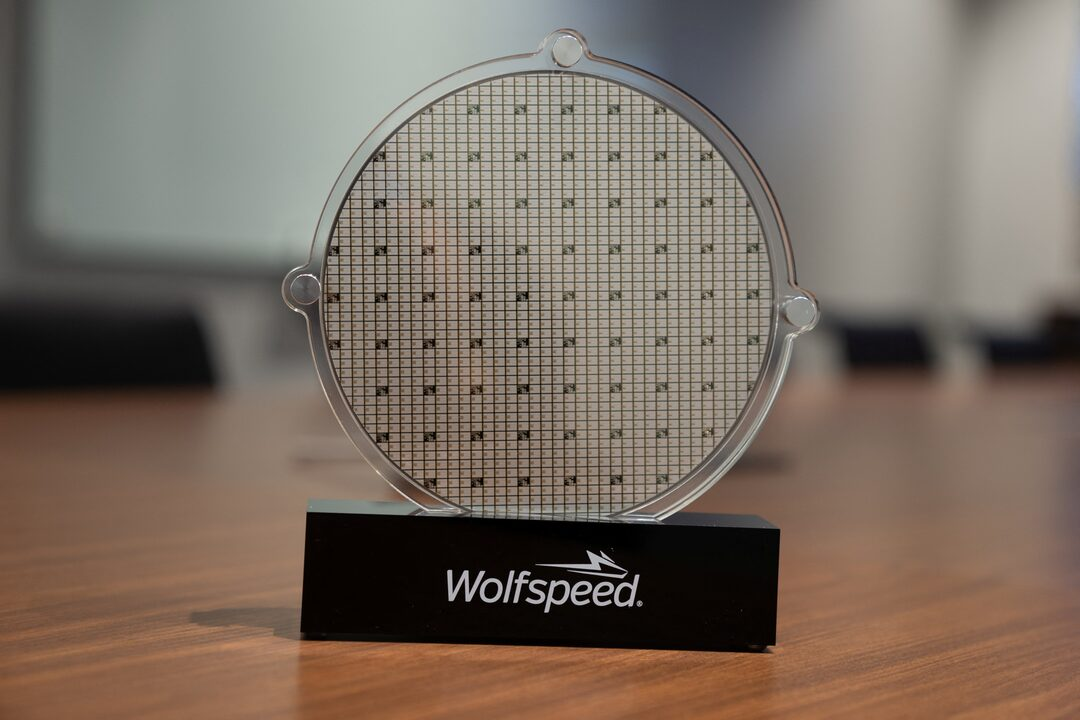
Wolfspeed Eyes Bankruptcy Filing Amid Debt Struggles and Weak Demand

Wolfspeed, a leading U.S. semiconductor firm specializing in silicon carbide chips, is reportedly preparing to file for Chapter 11 bankruptcy within weeks, according to sources cited by The Wall Street Journal. The move comes as the company faces mounting debt, weakened demand, and heightened market uncertainty due to tariffs and macroeconomic pressures.

Shares of Wolfspeed (WOLF.N) plunged more than 57% in after-hours trading following the news.

The company, which serves industrial and automotive markets, has been wrestling with declining demand and recently rejected multiple out-of-court debt restructuring proposals. It is now seeking a court-supervised process with the backing of a majority of its creditors, as part of a pre-packaged bankruptcy strategy.

Earlier this month, Wolfspeed signaled financial distress by raising “going-concern” doubts and significantly lowering its revenue outlook. It forecast $850 million in revenue for fiscal 2026, falling short of analysts’ consensus of $958.7 million.

Wolfspeed declined to comment on the bankruptcy report when contacted by Reuters.

As one of the few major U.S. producers of silicon carbide chips — vital for electric vehicles and renewable energy systems — the company’s financial woes could ripple across the supply chain, especially as global chipmakers face persistent economic headwinds and shifting trade dynamics.

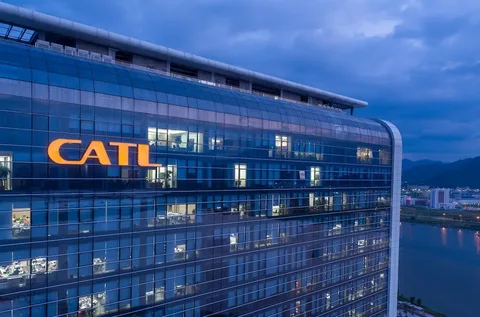
CATL’s Soaring Hong Kong Debut Signals Renewed Optimism for Chinese Fundraising

Chinese EV battery giant CATL surged 16.4% on its Hong Kong trading debut, raising $4.6 billion in the world’s largest listing of 2025 so far, and signaling strong international investor appetite for Chinese equities. The successful listing has significantly boosted expectations for other Chinese companies seeking to raise capital in Hong Kong.

CATL shares, listed at HK$263, closed at HK$306.20 on Tuesday, outperforming the Hang Seng Index’s 1.5% rise. At peak trading, the stock hit HK$311.40. The offering was met with overwhelming demand, with the retail tranche oversubscribed by 151 times and the institutional tranche by over 15 times.

This robust debut came despite global market uncertainties, a slowing Chinese economy, and CATL’s inclusion earlier this year on a U.S. Department of Defense list over alleged military ties — a claim CATL has refuted in its prospectus, noting it was cooperating with the U.S. authorities to address the “false designation.”

Strong interest from global investors — including Americans with offshore accounts — underscores growing confidence in Chinese companies, even amid ongoing U.S.-China trade tensions. CATL’s listing gained additional momentum as it coincided with a 90-day U.S.-China trade truce announced on May 12, the same day the company began bookbuilding.

The company, which holds a 38% global market share in EV batteries, plans to use much of the funds to build a major battery factory in Hungary. This facility will support European automakers such as BMW, Stellantis, and Volkswagen as part of CATL’s international expansion.

The deal brought Hong Kong’s total equity fundraising for 2025 to $7.73 billion, far surpassing the $1.05 billion raised by this time last year. According to Bonnie Chan, CEO of Hong Kong Exchanges and Clearing, over 40 mainland-listed A-share firms are considering Hong Kong listings, citing access to offshore capital for global expansion.

CICC, JPMorgan, Bank of America, and China Securities International sponsored the offering, which could grow to $5.3 billion if the green shoe option is fully exercised — making it the largest Hong Kong IPO since Kuaishou’s $6.2 billion debut in 2021.