
Stablecoins Drive Volatility in Brazilian Capital Flows, Warns Central Bank

Brazil’s central bank has raised concerns over the increasing use of U.S. dollar-backed stablecoins, warning they are fueling volatility in the country’s capital flows. According to Deputy Governor Renato Gomes, this trend is largely due to the way stablecoins enable the transfer of money abroad without passing through traditional financial channels.

Speaking at a monetary policy event hosted by the OMFIF think tank in London, Gomes explained that around 90% of Brazil’s recent crypto asset activity is tied to stablecoins, which are pegged to major currencies like the U.S. dollar. He emphasized that while this innovation has benefits, it also poses risks.

“One of the worrisome issues is that they offer a bypass instance,” Gomes stated. “You can get the stablecoins, and when you get to the United States or anywhere else, you can cash out and use an account in dollars, avoiding normal regulations.”

This method is becoming increasingly popular for remittances, with some U.S. ATMs now allowing direct withdrawals in dollars from stablecoin wallets. The result, according to Gomes, is a more erratic movement of capital, as stablecoins allow almost anyone to transfer funds internationally with little oversight.

He also pointed to regulatory gaps, noting that Brazil’s largest real-backed stablecoin issuer is headquartered in Switzerland. “We don’t have reach on these issuers,” Gomes said, stressing the need for international collaboration to effectively regulate the stablecoin sector.

Brazil’s central bank continues to monitor the issue closely as it explores new ways to safeguard the stability of its financial system in the face of fast-moving digital innovations.

Google Lays Off Around 200 Employees in Global Business Division: Report

Google recently announced cuts of approximately 200 jobs within its global business unit, which oversees sales and partnerships, according to a report by The Information. The layoffs reflect a broader trend among major tech companies to shift their focus and resources towards data centers and artificial intelligence (AI) development, while reducing investments in other divisions.

In a statement to Reuters, Google described the job reductions as part of a strategic effort to improve collaboration and enhance its ability to serve customers more efficiently. This restructuring follows earlier workforce reductions; last month, The Information reported that Google had laid off hundreds of employees from its platforms and devices division, responsible for products such as Android, Pixel phones, and the Chrome browser.

Google’s parent company, Alphabet, had previously announced a major workforce reduction in January 2023, cutting 12,000 jobs — roughly six percent of its global staff. As of the end of 2024, Alphabet employed 183,323 people worldwide, according to regulatory filings earlier this year. These recent layoffs continue the company’s efforts to streamline operations amid changing market priorities.

This move is part of a wider industry pattern, with several tech giants adjusting their workforces. Meta cut about five percent of its lowest-performing employees earlier this year while increasing hiring for AI-related roles. Microsoft trimmed 650 jobs in its Xbox division last September, and Amazon has made cuts across various departments, including communications. Apple also reduced roughly 100 positions in its digital services group last year, illustrating the sector-wide shift towards AI and cloud infrastructure investments.

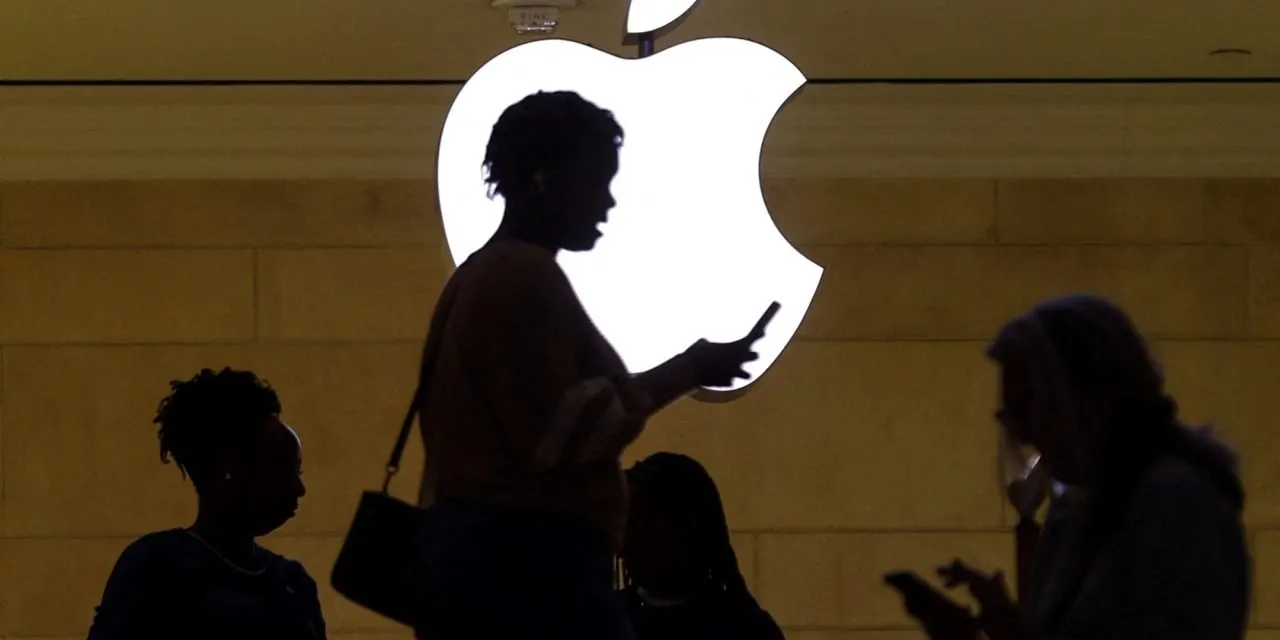
Apple Seeks Temporary Stay from US Appeals Court on Epic Games Verdict

Apple has formally requested that a federal appeals court temporarily suspend key parts of a recent ruling requiring the company to open up its App Store to more competition. This request was filed with the San Francisco-based 9th US Circuit Court of Appeals as Apple seeks to pause the enforcement of the order while it pursues a legal challenge. The tech giant warned that if the order issued on April 30 is not stayed, it could suffer irreparable harm.

The ruling in question stems from a 2020 antitrust lawsuit filed by Epic Games, the creator of the popular game Fortnite. The case has been closely watched for its potential to reshape how Apple manages its App Store and interacts with third-party app developers. Apple has been found in contempt for allegedly violating an earlier court injunction by maintaining certain policies that the judge deemed restrictive.

US District Judge Yvonne Gonzalez Rogers ordered Apple to halt several practices designed to sidestep the original injunction. Among these, Apple faces restrictions on implementing a new 27 percent fee on developers for app purchases made outside the App Store. Additionally, the judge’s order bars Apple from limiting where developers can place links directing users to alternative purchase options outside of an app.

In its court filing, Apple argued that forcing the company to comply with the ruling would mean giving away access to its products and services for free, which it says is legally untenable. The company is actively challenging these specific provisions, asserting that they interfere with Apple’s ability to control core aspects of its business and set terms for the App Store ecosystem.