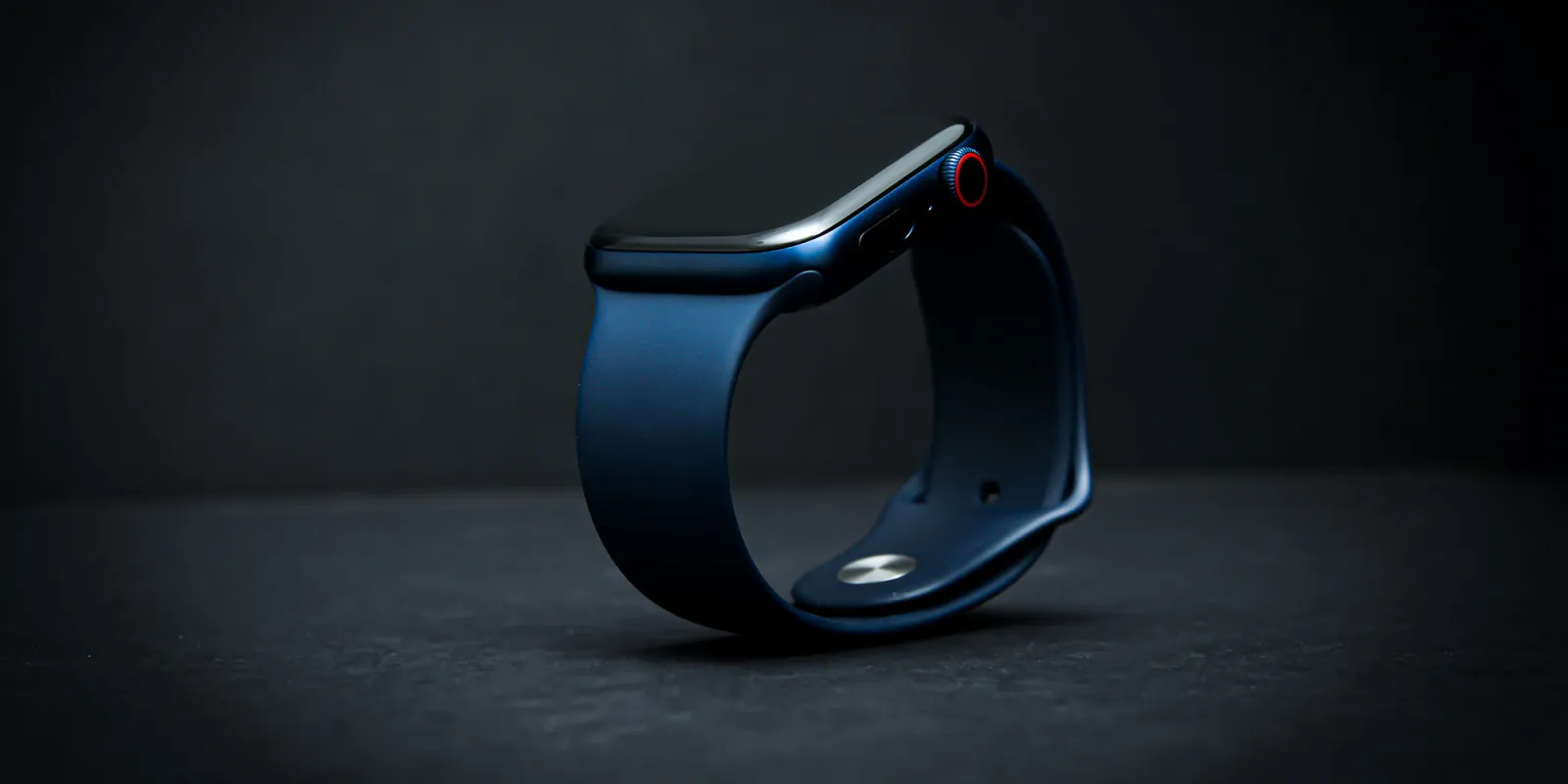
Apple Watch Sees Second Year of Shipment Decline Amid Stagnant Upgrades and No New Model: Report

Apple Watch Shipments Dip Again Amid Lack of Innovation and Product Gaps

Apple is reportedly facing a continued decline in demand for its smartwatch lineup, with 2024 marking the second straight year of shrinking shipments. Market research indicates that one of the hardest-hit regions is North America—Apple’s largest market—where the drop in sales has been particularly steep. Analysts attribute this slump to a lack of new product launches and minimal upgrades in the current Apple Watch range, leaving consumers with little incentive to upgrade.

According to data from Counterpoint Research’s Global Smartwatch Shipment Tracker for Q4 2024, Apple Watch shipments fell by 19% year-over-year. This marks the fifth consecutive quarter of declining performance for the company in the wearables segment. While Apple’s shipment numbers slipped, several Chinese manufacturers gained momentum, closing the gap in the competitive global smartwatch market. Notably, Apple’s market share dropped by 8 percentage points over the past year, largely due to weakened performance in North America, which typically accounts for over half of its annual smartwatch sales.

A major reason behind this dip appears to be Apple’s subdued product strategy. The Apple Watch Series 10, launched last year, introduced only minor improvements, failing to generate enthusiasm among potential buyers. Furthermore, Apple skipped launching two key models—the Apple Watch SE (3rd Gen), a popular budget-friendly variant, and the Apple Watch Ultra 3, its premium flagship that contributes over 10% of the company’s smartwatch sales. The absence of these models left noticeable gaps in Apple’s product portfolio, affecting shipment volumes significantly.

Compounding the issue, Apple has also been navigating legal challenges related to the Watch’s health-tracking features. A patent dispute with medical tech firm Masimo over blood oxygen sensor technology led to a temporary sales halt in the U.S. To comply with legal rulings, Apple later disabled the SpO2 functionality on some models. These setbacks, combined with muted hardware changes and fewer product releases, appear to have weakened Apple’s grip on the smartwatch market, even as rivals step up innovation and affordability in the segment.
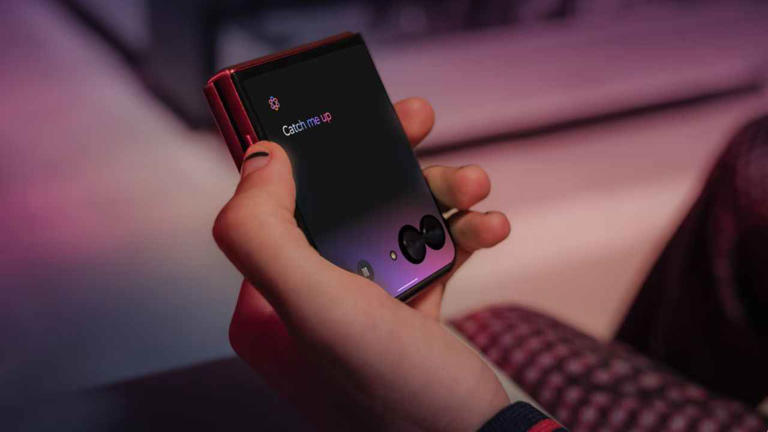

Motorola Razr 60 Ultra to Launch in India on May 13 with Teased Specs and Color Variants

Motorola Razr 60 Ultra Set for India Launch with Flagship Specs and Unique Design Finishes

Motorola is gearing up to launch the Razr 60 Ultra in India on May 13, adding a new contender to the growing lineup of premium foldable smartphones in the country. The company confirmed the launch date on social media and teased several details, including colour options and core specifications. The foldable phone, which debuted alongside the standard Razr 60 in the U.S. last month, is expected to maintain feature parity with its global variant, bringing a flagship experience to Indian consumers.

According to a dedicated Amazon microsite, the Razr 60 Ultra will be available through the e-commerce platform post-launch. Motorola has revealed that the phone will come in three distinct finishes—Mountain Trail, Rio Red, and Scarab—crafted using sustainable and premium materials such as FSC-certified wood, vegan leather, and Alcantara fabric. Under the hood, the device will be powered by the Snapdragon 8 Elite chipset, coupled with 16GB of LPDDR5X RAM and 512GB of UFS 4.1 internal storage, promising top-tier performance and efficiency.

One of the standout elements of the Razr 60 Ultra is its camera setup. The device will sport a dual 50-megapixel rear camera system, comprising a main and ultrawide sensor, while the inner display houses another 50-megapixel sensor for selfies and video calls. The phone also integrates the Moto AI 2.0 suite, which is expected to enhance imaging, personalization, and user interaction with smart, adaptive features.

Design-wise, the Razr 60 Ultra brings notable hardware improvements. It features a new titanium hinge that enhances durability while maintaining the sleek foldable form. The outer display is protected with Corning Gorilla Glass Ceramic, and the device carries an IP48 rating, suggesting resistance against dust and light water exposure. With its blend of high-end materials, powerful internals, and refined foldable design, the Razr 60 Ultra is positioned to appeal to style-conscious users who demand premium performance.

Falling Satellites Offer Scientists New Clues on Atmospheric Pollution from Spacecraft Reentries

Scientists Track Fiery Satellite Reentry to Study Atmospheric Pollution

In a rare and ambitious effort, European scientists took to the skies in September 2024 to observe the fiery reentry of a defunct satellite and gather firsthand data on atmospheric pollution caused by spacecraft disintegration. Aboard a specially equipped aircraft carrying 26 high-resolution cameras, the team followed the descent of the Cluster Salsa satellite over the Pacific Ocean. Launched from Easter Island, the mission aimed to capture visual and chemical signatures released during the satellite’s high-speed fall through Earth’s atmosphere. Despite interference from bright natural light, the team succeeded in documenting the satellite’s breakup and associated chemical emissions for the first time.

Preliminary findings, presented at the European Conference on Space Debris, revealed emissions of lithium, potassium, and aluminum during the satellite’s descent. These elements, researchers warn, may pose potential risks to the ozone layer and contribute to changes in atmospheric chemistry and climate. According to Stefan Löhle of the University of Stuttgart, the satellite began to fracture around 80 kilometers above sea level, with observations halting at 40 kilometers due to visual extinction. The weak, fragmented trail observed suggests a less intense burn-up than initially expected, indicating smaller fragments splintered off during reentry.

This mission underscores growing concerns about the environmental impact of satellite reentries, which are becoming more frequent with the rise of megaconstellations like SpaceX’s Starlink. While many modern satellites are designed to disintegrate completely upon reentry, some components and combustion byproducts, such as aluminum oxide, may persist and interact with the upper atmosphere. These particles have been linked to potential disruptions in thermal dynamics and ozone chemistry. Notably, this marked only the fifth time a spacecraft reentry was successfully tracked from the air, giving researchers a rare chance to calibrate their models with real-world data. It’s also suspected that some titanium parts from the 550-kilogram Cluster Salsa may have survived the descent and reached the Pacific.

Looking ahead, scientists plan to conduct similar airborne tracking missions for the remaining satellites in the Cluster constellation—Rumba, Tango, and Samba—which are projected to reenter Earth’s atmosphere by 2026. Although the bright sky limited certain types of measurements during the Salsa mission, researchers are optimistic that continued observations will deepen understanding of how spacecraft reentries affect atmospheric conditions and contribute to long-term climate dynamics.