Tesla Adds Chipotle’s Jack Hartung to Board Amid Executive Compensation Scrutiny

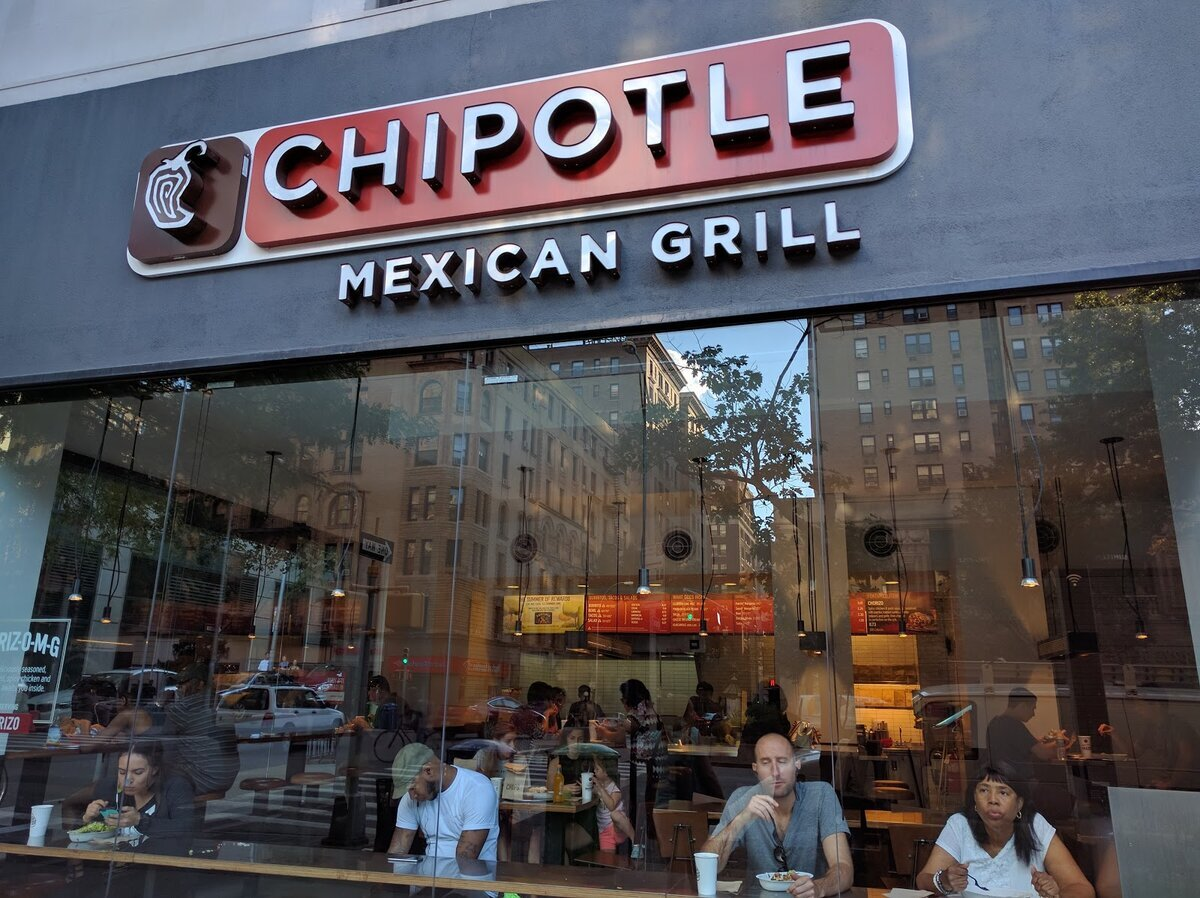
Tesla (TSLA.O) announced Friday that Jack Hartung, a longtime executive at Chipotle Mexican Grill (CMG.N), will join its board of directors and audit committee in June 2025, expanding the board to nine members.

Hartung, who has served as Chipotle’s president and chief strategy officer, will retire from his executive role next month and become a senior advisor at the restaurant chain.

Hartung’s Background:

  • Served as Chief Financial Officer at Chipotle, overseeing:

    • Finance and accounting

    • Strategy

    • Supply chain management

  • Helped shape Chipotle’s rise into a major U.S. brand, recognized for its operational efficiency and strategic growth.

Tesla noted Hartung’s “deep experience in financial leadership and strategy” would strengthen its governance as the company navigates global growth and scrutiny.

Timing and Broader Context:

The board addition comes at a pivotal moment for Tesla:

  • A special committee was formed this week to review CEO Elon Musk’s compensation, which could result in a new stock options package.

  • The board has also faced external scrutiny over governance practices and Musk’s leadership, particularly as reports swirl about potential CEO succession planning.

Tesla’s Board Snapshot:

  • The last new board member was Joe Gebbia, Airbnb co-founder, who joined in 2022.

  • With Hartung, the board now comprises nine members, adding further corporate and operational diversity.

Governance Implications:

Hartung’s appointment to the audit committeea key oversight body—signals Tesla’s effort to reinforce financial transparency and compliance posture, especially amid heightened attention from investors and regulators over:

  • Executive pay

  • Long-term strategic planning

  • Internal financial controls

Intel Challenges $421 Million EU Antitrust Fine, Calls It Disproportionate and Unfair

Intel returned to the European General Court on Friday to contest a 376 million ($421.4 million) antitrust fine imposed by the European Commission, arguing the penalty is unjustified, disproportionate, and based on a limited scope of conduct that doesn’t support broad monopoly claims.

The fine stems from alleged “naked restrictions”direct payments Intel made to HP, Acer, and Lenovo between 2002 and 2006 to delay or halt rival AMD product launches. These practices were deemed exclusionary but narrower than previously argued by regulators.

Background:

  • The case began in 2009, when the Commission fined Intel a then-record €1.06 billion for excluding AMD from the x86 chip market.

  • In 2022, the General Court overturned the fine, stating the rebate-based findings lacked legal clarity.

  • However, the court upheld one part of the decision—regarding the direct payments to PC manufacturers—leading the Commission to re-impose a reduced €376 million fine in 2023.

Intel’s Argument:

Representing Intel, lawyer Daniel Beard said:

  • The payments in question were narrow, tactical moves”, not part of a comprehensive market foreclosure strategy.

  • The Commission wrongly equated these limited practices with more aggressive pricing conduct that was already overturned.

  • The new fine was wholly disproportionate and unfair,” particularly given the scale and timeframe of the actions.

These restrictions don’t sustain a market-wide foreclosure theory,” Beard told the panel of three judges.

European Commission’s Defense:

Commission lawyer Pedro Caro de Sousa defended the penalty, stating:

  • The fine was based on clear guidelines and conservative calculations.

  • It reflects only 1% of Intel’s revenue at the time, and about 0.5% of current turnover.

  • The conduct was serious and damaging, regardless of its scope.

The Commission correctly applied its fining guidelines… and opted in Intel’s favour when in doubt,” de Sousa added.

What’s Next:

  • Both Intel and the Commission have asked the General Court to finalize the size of the fine.

  • A ruling is expected in the coming months in the case officially listed as T-1129/23 Intel Corporation v Commission.

The outcome may influence how legacy antitrust cases involving tech companies are handled in Europe, particularly when penalties are recalculated years after initial rulings.

UAE’s G42 to Build Europe’s Largest AI Supercomputer in Italy with iGenius

G42, a leading tech firm from the United Arab Emirates, has signed an agreement with Italian AI startup iGenius to develop a $1 billion AI supercomputer project in southern Italy, the companies announced Friday. The initiative, named Colosseum”, aims to become Europe’s largest AI computer deployment and is part of a $40 billion UAE–Italy investment framework revealed earlier this year.

Project Overview:

  • Location: Likely in Apulia, a southeastern Italian region, according to Industry Minister Adolfo Urso.

  • Timeline: 5 years

  • Total Investment: $1 billion

  • Technology Partner: Nvidia, which will supply the hardware for AI acceleration

  • Backers:

    • G42 (main financier)

    • Mubadala, Abu Dhabi’s sovereign wealth fund

    • Silver Lake, a U.S. private equity firm with a stake in G42

The agreement will establish an AI hub in Italy,” said Minister Urso during the Investopia conference in Milan.

Strategic Significance:

  • The project follows the UAE’s pledge in February to channel $40 billion into the Italian economy, a deal disclosed during a UAE–Italy bilateral summit attended by Prime Minister Giorgia Meloni.

  • For G42, which is also developing the world’s largest AI campus in the UAE, Colosseum reinforces its role in global AI infrastructure deployment.

  • For Italy, the deal boosts its AI research and high-performance computing capacity, potentially positioning the country as a new European AI innovation hub.

Broader Context:

  • The UAE is rapidly expanding its global AI footprint, also finalizing deals with the U.S. and Saudi Arabia to import Nvidia chips and build next-gen data centers.

  • This project will serve as a strategic bridge between Europe and the Middle East in the AI arms race, especially amid tightened export restrictions and geopolitical realignment in the tech sector.