As SLS Faces Uncertainty, NASA Proceeds with Artemis 2 Second Stage Assembly

NASA Stacks Artemis 2 Upper Stage Amid Uncertainty Over SLS Program

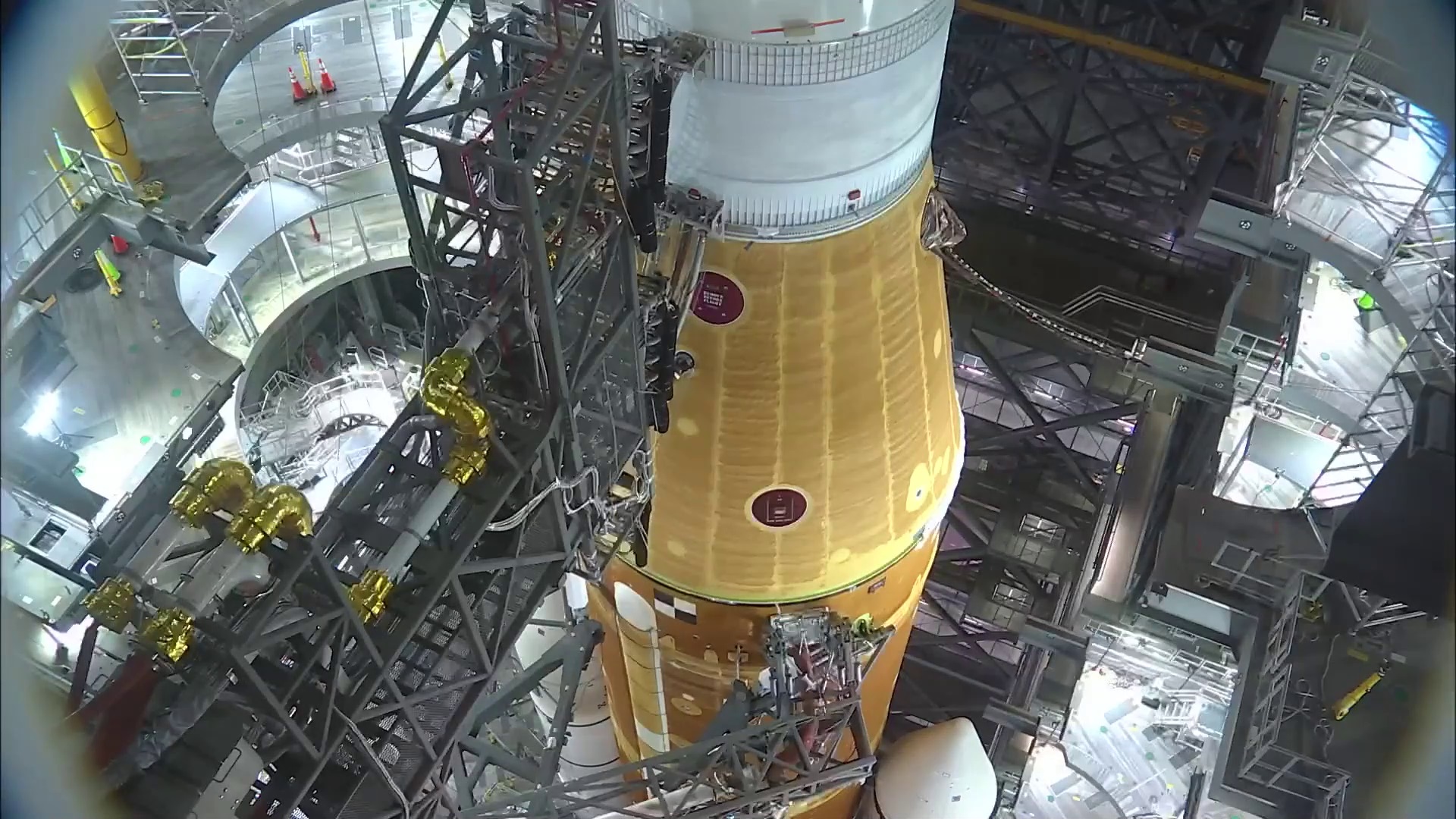
NASA has reached a key milestone in the preparation for its Artemis 2 mission with the successful stacking of the rocket’s second stage, the Interim Cryogenic Propulsion Stage (ICPS). The operation took place on May 1 inside the Vehicle Assembly Building (VAB) at Kennedy Space Center in Florida. The ICPS will play a crucial role in sending NASA’s Orion spacecraft and its four-person crew—three Americans and one Canadian—beyond Earth’s orbit on a free-return trajectory around the Moon.

The ICPS arrived at the VAB in April and was carefully lifted into position atop the massive Space Launch System (SLS) rocket. According to NASA, the upper stage was fitted into the rocket stage adapter, a process supported by detailed imaging released during the stacking operation. Meanwhile, the Orion crew module and service module, built by Lockheed Martin, also arrived at the center and are now undergoing final preparations before being integrated with the launch system.

While Artemis 2 marks a major step forward for NASA’s lunar ambitions, questions remain about the long-term future of the SLS and Orion programs. Artemis 1, an uncrewed mission launched in 2022, uncovered issues with Orion’s heat shield, leading to delays in subsequent missions. For Artemis 2, the crew will conduct a lunar flyby rather than an orbital mission, testing life-support systems and deep space operations ahead of future crewed landings.

NASA aims for Artemis 3 to land astronauts on the lunar surface in 2027 using SpaceX’s Starship as the lunar lander. The success of Artemis 2 is therefore critical—not only as a test of new technologies and mission operations but also as a vote of confidence in the SLS-Orion architecture amid growing pressure to streamline and modernize NASA’s exploration strategy.
Google Gemini Side Button Feature Reportedly Coming to Samsung Galaxy A56 and A36

Samsung Expands Gemini AI Side Button Feature to Galaxy A-Series Devices

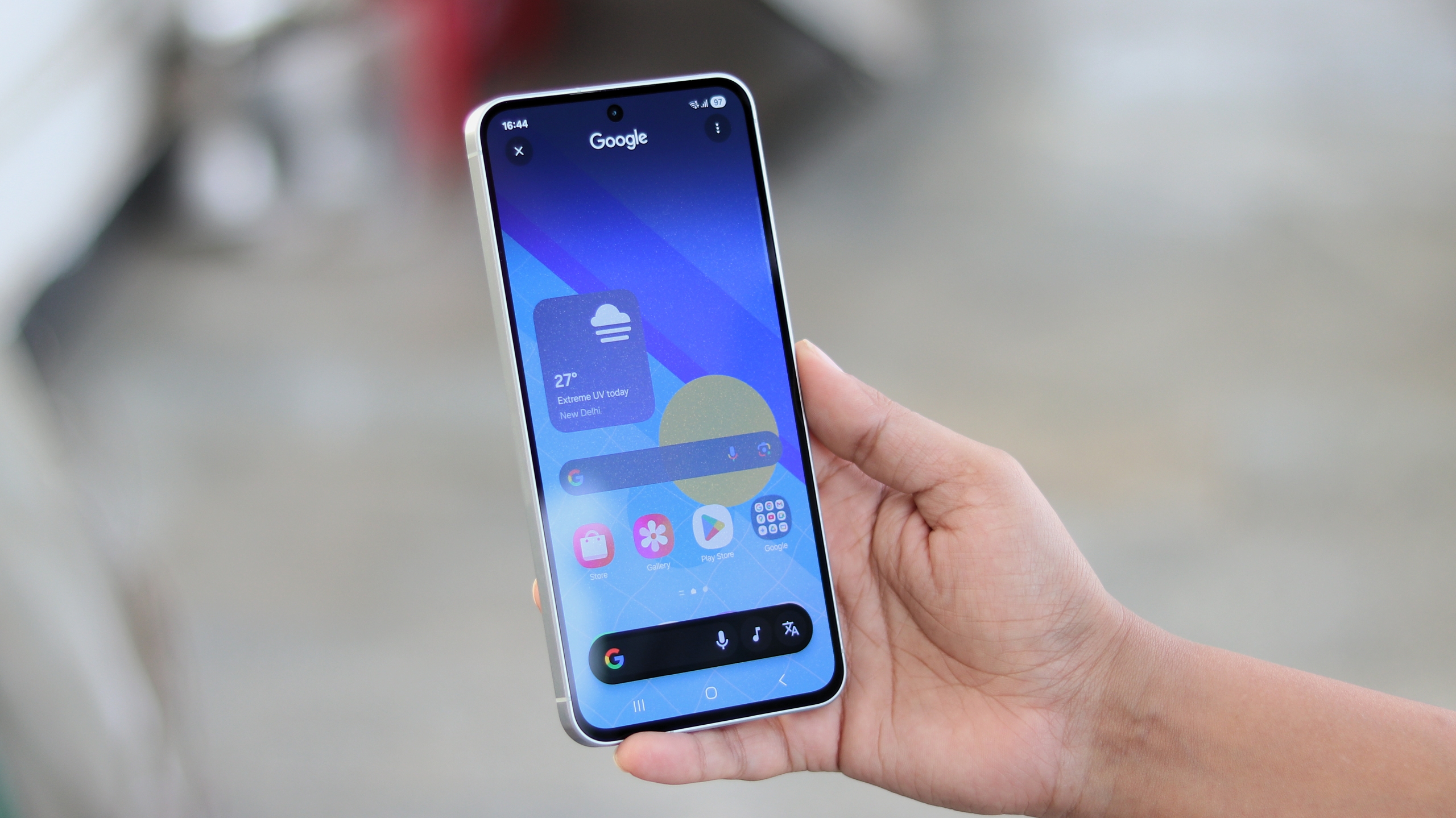
Samsung is bringing a significant upgrade to its mid-range smartphone lineup with the May 2025 software update. The Galaxy A56, Galaxy A36, and Galaxy A26 are now receiving a new functionality that lets users launch Google’s Gemini AI assistant by pressing and holding the side (power) button. This feature was previously limited to the premium Galaxy S series but is now making its way to more budget-friendly devices as promised.

According to a report from Sammyfans, the update not only brings the Gemini shortcut to the Galaxy A56 and A36 but also includes the latest May 2025 security patch. Users will now be able to quickly summon Gemini AI directly from the lock or home screen, improving accessibility and integrating AI tools more closely into everyday use. This rollout is powered by Samsung’s One UI 7 interface, which continues to emphasize AI-driven features.

The Galaxy A26 is reportedly included in this update as well. Alongside the Gemini shortcut, users are being given more customization options for the side button—allowing them to choose between Gemini and Bixby, depending on their preference. The update also enhances app integration, with Gemini now able to interact across Samsung’s native apps like Calendar, Notes, Reminder, and Clock through voice commands.

Samsung had previously teased this expansion of the AI side button feature during the Galaxy S25 launch event. By making Gemini more widely available across its A series lineup, Samsung is reinforcing its commitment to democratizing AI tools beyond flagship models. This move not only aligns with industry trends but also positions Samsung’s mid-range devices as capable alternatives in an increasingly AI-driven mobile landscape.

Six Weeks After Launch, Amazon’s Alexa+ AI Still Largely Missing From Public View

Amazon’s Alexa+, the company’s long-awaited generative AI-powered voice assistant, launched with fanfare more than six weeks ago, but public user presence remains almost non-existent, raising questions about the scope, quality, and readiness of the rollout.

Despite CEO Andy Jassy’s high-profile unveiling in February and promises of a powerful voice agent that can handle multi-step tasks and act autonomously, Reuters found little public evidence of actual use by everyday customers.

What’s Happening:

  • No verifiable public reviews or credible user demonstrations have surfaced across major platforms like YouTube, TikTok, X (formerly Twitter), Facebook, or Reddit.

  • Amazon claims hundreds of thousands” now have access, a number that includes employees and early-access customers, but no user testimonials have been made available for media or analysts to vet.

  • Attempts by Reuters to contact self-identified users failed to yield any confirmed interactions with the product.

There seems to be no one who actually has it,” said Avi Greengart, lead analyst at Techsponential.

Possible Issues:

  • Slow rollout pace may be strategic or symptomatic of performance issues, as three sources told Reuters that:

    • Alexa+ lags in speed for some prompts.

    • The assistant still hallucinates or provides inaccurate responses, similar to other generative AI systems.

    • It’s expensive to operate, which may limit wide deployment.

Missed Marketing Momentum?

  • Analysts note that Amazon has broken from tech industry norms:

    • No hands-on demos at its February launch event.

    • No early-access devices given to tech reviewers or influencers.

    • No curated campaigns on YouTube or TikTok, unlike Apple’s or Google’s typical marketing playbooks.

This makes it look like they are worried about something,” said Wharton marketing professor Americus Reed.

Amazon’s Response:

  • Amazon insists the rollout is progressing, and says the Alexa+ user base has grown from 100,000 users in early May to hundreds of thousands” by mid-May.

  • A spokesperson declined to explain the lack of public-facing engagement or showcase real users.

  • Amazon confirmed there are no NDAs (non-disclosure agreements) preventing users from sharing their experiences.

Bigger Stakes:

Alexa+ is Amazon’s attempt to resurrect its decade-old Alexa ecosystem, which:

  • Has cost Amazon billions in development.

  • Failed to monetize voice shopping as initially envisioned.

  • Now faces stiff competition from ChatGPT, Google Gemini, Meta LLaMA, and others.

As of now, Alexa+ remains more of a promised upgrade than a public product, and Amazon’s reputation for trust in AI rollouts may be at risk if it doesn’t soon deliver a demonstrable, reliable, and accessible product experience.