Institutional Investors Rebalance Bitcoin ETF Positions Amid Q1 Price Slump

Institutional investors showed mixed sentiment toward spot Bitcoin exchange-traded funds (ETFs) in the first quarter of 2025, with several high-profile asset managers reducing their stakes as Bitcoin’s price fell 12%. The shift contrasts with earlier quarters, when interest in the new ETF asset class had been rising steadily.

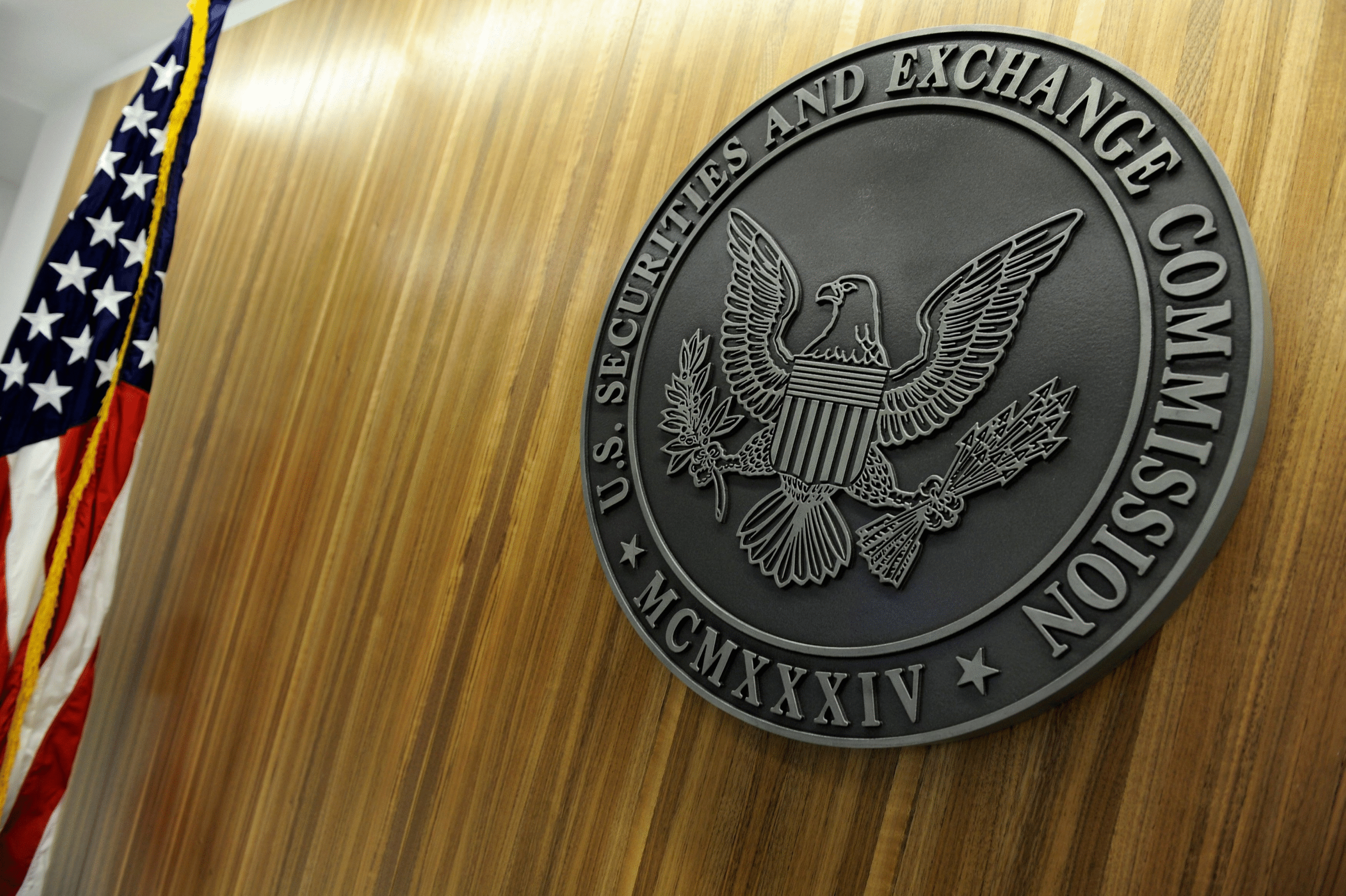
The data, drawn from recent SEC 13-F filings, reflects growing complexity in institutional strategies toward spot Bitcoin ETFs, which debuted in January 2024.

Hedge Funds Trim, Advisors Rebalance:

  • Hedge funds notably reduced exposure, largely due to the collapse of the bitcoin futures premium, which previously enabled a profitable basis trade.

The premium collapsed and reached its nadir around the end of March,” said Matt Hougan, CIO of Bitwise Asset Manager. “I’m not surprised to see hedge funds trim their holdings.”

Notable Moves:

  • Millennium Management LLC:

    • Cut its iShares Bitcoin Trust (IBIT) stake by 41% to 17.6 million shares

    • Exited its position in the Invesco Galaxy Bitcoin ETF (BTCO)

    • Increased positions in ARK 21 Shares Bitcoin ETF (ARKB) and Grayscale Bitcoin Mini Trust (BTC.P)

  • Brevan Howard reduced its IBIT stake by 15.6%

  • State of Wisconsin Investment Board fully sold its 6 million-share stake in IBIT

  • Brown University entered the crypto ETF space for the first time, with a $4.9 million stake in IBIT

  • Abu Dhabi’s Mubadala added to its IBIT position, now holding 8.7 million shares worth $408.5 million

Broader Trends:

While hedge funds pulled back, sovereign wealth funds and universities showed growing interest or continued commitment, reflecting longer-term strategic positioning rather than short-term trading.

What will be most important… is whether more investment advisory firms are stepping in,” said Hougan.
That wave of adoption may be a slow-moving train, but it has forward momentum.”

Outlook:

Despite recent volatility and shifting positions, institutional investment in spot bitcoin ETFs is far from fading. The Q1 data suggests that risk appetite and investment horizons continue to diverge across institutional types, highlighting the evolving role of crypto in diversified portfolios.


TikTok Charged with Breaching EU Content Rules Under Digital Services Act

TikTok has been formally charged by EU regulators with violating the Digital Services Act (DSA), a sweeping content regulation law aimed at increasing transparency and accountability for major online platforms. The European Commission’s preliminary findings, released Thursday, could expose TikTok’s parent company ByteDance to a fine of up to 6% of global turnover.

Key Allegations:

The European Commission said TikTok has failed to:

  • Publish a comprehensive ad repository, as required by the DSA, which would allow researchers and users to detect scam and manipulative advertisements.

  • Provide clear data on ad content, targeting practices, and disclosure of the entity behind each ad.

  • Ensure full ad transparency, a core DSA obligation to combat disinformation and exploitative practices.

Transparency in online advertising — who pays and how audiences are targeted — is essential to safeguarding the public interest,” said Henna Virkkunen, EU digital policy chief.

TikTok’s Response:

TikTok said it supports the goals of the DSA and is working to improve its ad transparency tools. However, it disagreed with the Commission’s interpretation and criticized the lack of clear, public guidance:

Guidance is being delivered via preliminary findings rather than clear, public guidelines,” a spokesperson said. “A level playing field and consistent enforcement are essential.”

What’s Next:

  • TikTok now has the opportunity to review the evidence and submit a written response before the Commission makes a final decision.

  • If found guilty of breaching the DSA, ByteDance could face financial penalties and further scrutiny over how it manages online advertising and content moderation.

  • TikTok is also under a separate EU investigation into its election-related risk management practices.

The case marks a significant escalation in the EU’s efforts to enforce the DSA, which came into effect in 2023 to curb harmful content, improve transparency, and hold tech giants accountable for the societal impact of their platforms.

AI Firm Cohere Doubles Annualized Revenue to $100M by Targeting Enterprise Sector

Cohere, the Toronto-based AI startup, has doubled its annualized revenue to $100 million as of May 2025, according to a source familiar with the matter. The company’s enterprise-first strategyfocused on private, secure deployments in regulated industriesis fueling its rapid growth.

Although a Cohere spokesperson declined to confirm the financials, the company told Reuters that 85% of its business now comes from long-term enterprise contracts, with profit margins reaching 80%.

Strategic Shift: Enterprise Over Scale

Cohere’s revenue surge follows a strategic pivot in Q3 2024, when CEO Aidan Gomez announced a move away from building general-purpose, massive foundation models in favor of smaller, customized AI systems tailored to individual sectors like:

  • Finance

  • Healthcare

  • Government

This reflects a growing industry trend: domain-specific AI is now seen as more scalable, secure, and immediately useful for enterprise workflows.

The era of scaling models for raw power is giving way to delivering domain-specific intelligence,” said Gomez in a year-end internal memo.

New Product Launch: North

In January 2025, Cohere launched North, a ChatGPT-style assistant designed to help knowledge workers with tasks like document summarization and data analysis. The product is currently in limited trials with early customers including:

  • Royal Bank of Canada

  • LG

Market Position and Backing:

  • Founded in 2019, Cohere has raised over $900 million from investors including Nvidia, Cisco, and Inovia Capital.

  • The company was last valued at $5.5 billion.

  • Current enterprise clients include Fujitsu, Oracle, and Notion.

Industry Context:

Cohere’s enterprise-focused model aligns with broader AI sector dynamics, where efficiency, security, and customization are increasingly favored over monolithic, general-purpose AI systems. This comes as major AI labs face diminishing returns from increasing model size, a strategy that once drove breakthrough performance.