Japan’s TDK Accelerates Launch of Next-Gen Silicon Anode Batteries Amid Strong Smartphone Demand

TDK Corp, a leading Japanese electronics components manufacturer and key Apple supplier, is fast-tracking the rollout of its next-generation silicon anode batteries, CEO Noboru Saito told Reuters. Originally scheduled for summer, shipments of the third-generation high-energy batteries will begin very soon.”

The move comes amid surging interest from smartphone makers, as silicon anode batteries promise higher energy density than conventional lithium-ion technologies—allowing for longer battery life and thinner designs.

Key Highlights:

  • Silicon anode batteries, while still a small part of TDK’s portfolio, represent a strategic focus as smartphone OEMs seek energy efficiency gains.

  • TDK plans to launch its fourth-generation battery sometime next year.”

  • More than half of TDK’s capital investment over the next three years will go toward its energy segment, which includes battery R&D and production.

Broader Strategic Outlook:

Founded in 1935, TDK has transformed from a household name in cassette tapes to a critical supplier of batteries, sensors, and capacitors for the global tech industry. As demand for smartphones, wearables, and IoT devices accelerates, TDK is positioning its advanced battery tech as a growth engine.

CEO Saito, who has led the company since 2022, also flagged geopolitical risk, particularly from the U.S.–China trade tensions under President Donald Trump’s administration. TDK’s latest forecast included both base and risk-adjusted scenarios to reflect uncertainty in U.S. electronics demand.

I remain concerned,” Saito said, referring to potential impacts on the U.S. smartphone market, a key revenue source for TDK and its clients.

Despite these external pressures, TDK’s acceleration of cutting-edge battery technology underscores its commitment to staying ahead in energy innovation and meeting OEM demand for more compact, powerful power solutions.
U.S. May Add More Chinese Tech Firms to Export Blacklist, Including CXMT

The U.S. Commerce Department is considering expanding its Entity List to include additional Chinese technology firms, including ChangXin Memory Technologies (CXMT) and subsidiaries of Semiconductor Manufacturing International Corporation (SMIC) and Yangtze Memory Technologies Co. (YMTC), a source familiar with the matter told Reuters.

The potential move is under review by the Bureau of Industry and Security (BIS), which oversees export controls on sensitive technologies. Companies added to the Entity List are effectively banned from receiving U.S. goods, software, and technology without a special license — one that is typically denied.

Strategic and Political Context:

  • The timing of the decision is reportedly complicated by a recent U.S.–China trade deal, according to the Financial Times, which first reported the news.

  • Inclusion on the list is reserved for entities deemed to be acting contrary to U.S. national security or foreign policy interests.”

Recent Escalations:

  • In January, the Biden administration added over two dozen Chinese entities, including:

    • Zhipu AI, a large language model developer

    • Sophgo, linked to chips produced by TSMC and allegedly incorporated into Huawei AI processors in violation of U.S. export rules

  • Those actions were accompanied by tighter controls to restrict chip flows that could indirectly support Huawei and other blacklisted firms.

Implications:

  • CXMT is a leading Chinese DRAM memory chipmaker and considered a strategic rival to U.S. memory firms such as Micron. Blacklisting CXMT would further strain U.S.–China tech relations.

  • Adding SMIC and YMTC subsidiaries would intensify U.S. efforts to curb China’s progress in semiconductor self-sufficiency and advanced chip production.

While no final decision has been announced, the move would signal a continued hardline stance on Chinese tech development, particularly in areas with potential military or surveillance applications.

FAA Approves SpaceX Starship Flight 9 License Modifications, Launch Still Pending

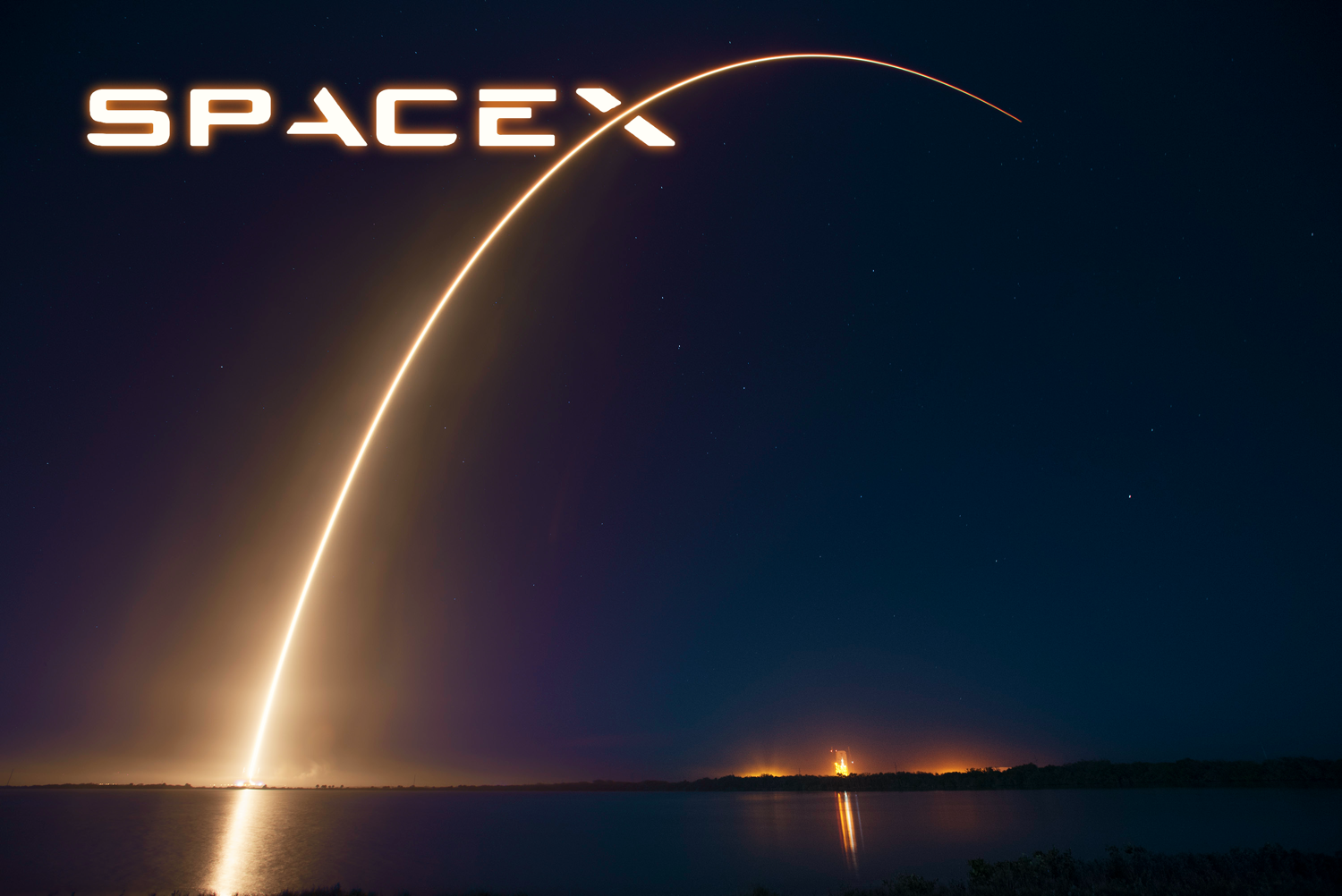
The Federal Aviation Administration (FAA) has approved license modifications for SpaceX’s upcoming Starship Flight 9 mission, but has not yet granted clearance to launch, the agency announced Thursday. The launch is on hold until the FAA completes its Flight 8 investigation or issues a return-to-flight determination.

Key Developments:

  • The FAA is still reviewing SpaceX’s mishap report for Flight 8, which exploded in March after the rocket began spinning uncontrollably and lost engine power.

  • Flight 8’s failure disrupted about 240 commercial flights, with debris concerns causing more than two dozen flight diversions.

  • The FAA will now expand hazard zones for aircraft and maritime activity for Flight 9, impacting U.S. and international airspace.

Expanded Launch Operations:

As part of the updated license:

  • SpaceX is now authorized to conduct up to 25 launches per year from its Boca Chica, Texas facility, up from a previous cap of fivea change first proposed in March.

  • The Flight 9 mission will also involve the first reuse of a previously launched Super Heavy booster, triggering additional safety analysis.

Airspace and Flight Disruptions:

  • The planned launch will impact airspace over a 1,600 nautical mile corridor, stretching from Texas through the Straits of Florida, including Bahamas and Turks and Caicos, which will close lower-level airspace up to 6,000 feet.

  • The FAA will control closures above that altitude, affecting an estimated 175 flights during the launch window.

Program Setbacks and Future Goals:

  • This is the second consecutive Starship test to fail, following Flight 7’s explosion just over a month prior to Flight 8. Both failures occurred during early mission phases previously completed successfully by earlier iterations.

  • Despite the setbacks, SpaceX remains focused on advancing its 403-foot Starship rocket, central to Elon Musk’s vision of enabling human missions to Mars by the end of the decade.

The FAA has not given a timeline for when the Starship 9 launch might proceed, but the new license modifications suggest the agency is cautiously moving toward authorizing future flights under enhanced safety and oversight protocols.