Rogue Communication Devices Found in Chinese Solar Inverters Spark Global Security Alarm

U.S. energy officials are reevaluating the national security risks posed by Chinese-made power inverters after uncovering unexplained communication components inside devices used in critical infrastructure across the U.S., according to multiple sources with knowledge of the matter.

These undocumented modules, such as cellular radios, were discovered in inverters and batteries produced by Chinese manufacturers, raising concerns that firewalls could be bypassed, allowing remote manipulation or shutdowns of energy systems — with potentially catastrophic consequences for power grids.

That effectively means there is a built-in way to physically destroy the grid,” one expert warned.

What Are Inverters and Why This Matters

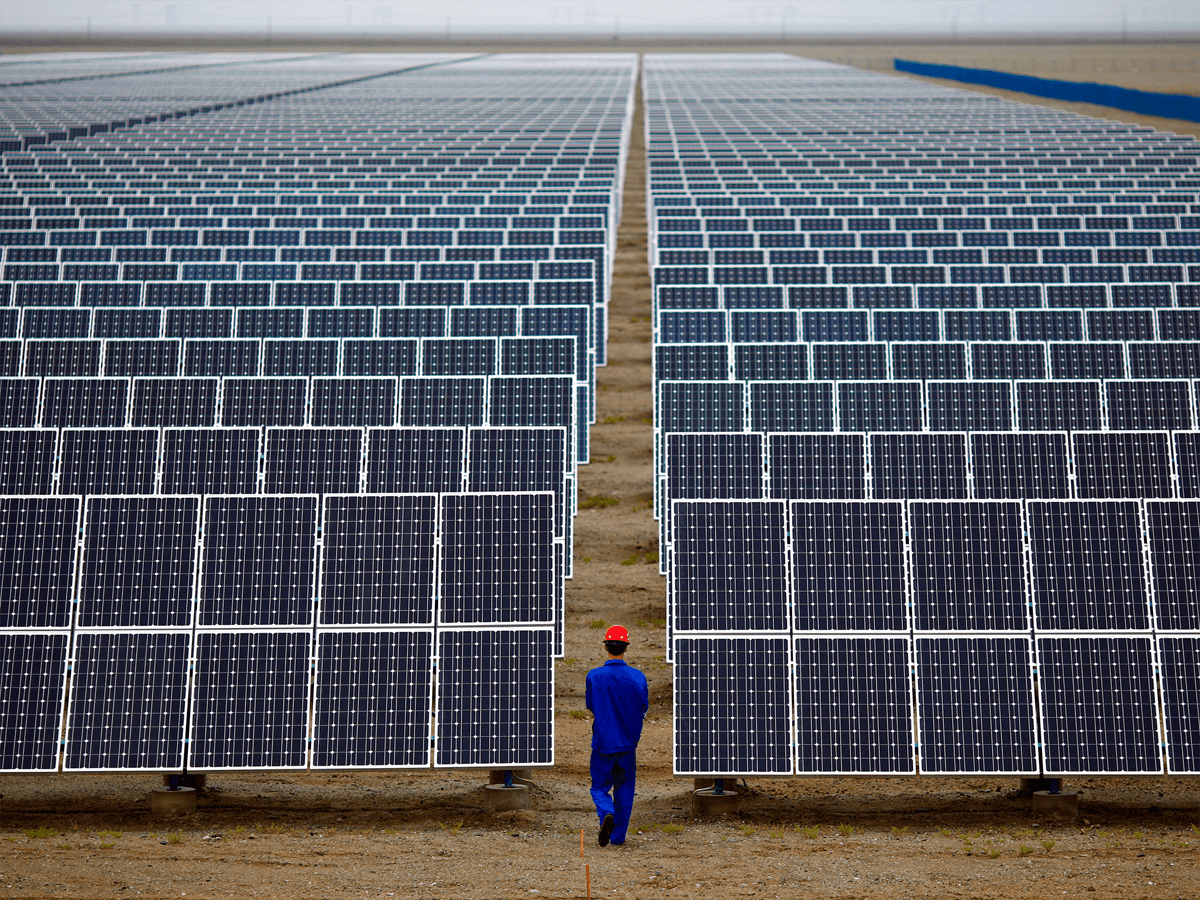
Inverters are vital for connecting solar panels, batteries, heat pumps, and EV chargers to the power grid. Most are produced in China and designed to allow remote updates, but are expected to be firewalled from foreign access. The recent discovery, however, suggests that some Chinese models include hidden communications hardware, not disclosed in product documentation.

Implications for National Security and Grid Stability

  • Disruption risk: Experts warn that coordinated manipulation of these devices could trigger blackouts, grid damage, or widespread energy instability.

  • Huawei, the world’s leading inverter manufacturer, left the U.S. market in 2019 but dominates globally, especially in Europe.

  • Over 200 GW of European solar power is linked to Chinese inverters, equivalent to more than 200 nuclear plants.

If you remotely control a large enough number of home solar inverters… that could have catastrophic implications,” said Uri Sadot of SolarEdge.

Government and Industry Response

  • The U.S. Department of Energy (DOE) acknowledged the challenge of ensuring manufacturers disclose full functionality. It is working to enhance transparency via Software Bill of Materials (SBOM) policies and contractual safeguards.

  • The U.S. Senate is considering the Decoupling from Foreign Adversarial Battery Dependence Act, targeting Chinese firms like CATL, BYD, Envision Energy, and others from 2027 onward.

  • Utilities such as Florida Power & Light are already seeking to reduce their reliance on Chinese inverter components.

  • Lithuania, Estonia, and Britain have also begun reassessing or restricting the use of Chinese inverters, with NATO warning that China’s influence over infrastructure is a growing threat.

The CCP stops at nothing to target our sensitive infrastructure,” said U.S. Representative August Pfluger.

Recent Incidents and Commercial Fallout

  • In November 2024, some inverters were reportedly disabled remotely from China, triggering internal industry disputes and heightened U.S. government scrutiny.

  • A commercial conflict between Sol-Ark and Deye ensued, with Sol-Ark confirming it had no control over affected devices not bearing its brand.

  • Chinese firms Huawei, Deye, and others declined to comment.

As the solar and renewable energy sector expands, experts are calling for urgent reforms to ensure hardware used in critical infrastructure is trusted, secure, and transparentechoing the regulatory efforts already in place in sectors like telecom and semiconductors.

Split Fiction Surpasses Expectations, Selling 4 Million Copies and Nearly Doubling EA’s Forecast

Hazelight Studios’ latest release, Split Fiction, has achieved a major milestone by selling four million copies worldwide, the studio announced on Wednesday. The co-op adventure game, known for its innovative genre-blending gameplay, launched in March and quickly surpassed one million sales within its first 48 hours. Publisher Electronic Arts (EA) highlighted the game’s success during its Q4 2025 earnings call, describing it as “highly successful” and well beyond initial expectations.

The team at Hazelight expressed their gratitude to fans on social media, sharing their excitement over the widespread reception of the game. “So many of you have picked up Split Fiction already, it’s amazing,” they said. They also acknowledged the strong emotional connection players have formed with the game’s protagonists, Mio and Zoe, and the cooperative experience that brings players together.

Because Split Fiction is a co-op title that requires two players, it’s estimated that around eight million people have experienced the game so far. The game’s unique Friend’s Pass feature means only one player needs to purchase the title, while their partner can join for free. Released under EA’s Originals label, the game has proven to be a significant success for the publisher alongside other strong performers like EA Sports FC.

EA CEO Andrew Wilson praised Split Fiction during the earnings call, noting how the game exceeded expectations and captivated audiences worldwide. He emphasized that the title’s success highlights the power of shared experiences combined with compelling storytelling and varied gameplay. Wilson’s remarks underscored the potential for innovative, narrative-driven multiplayer games to make a major impact in the gaming industry.

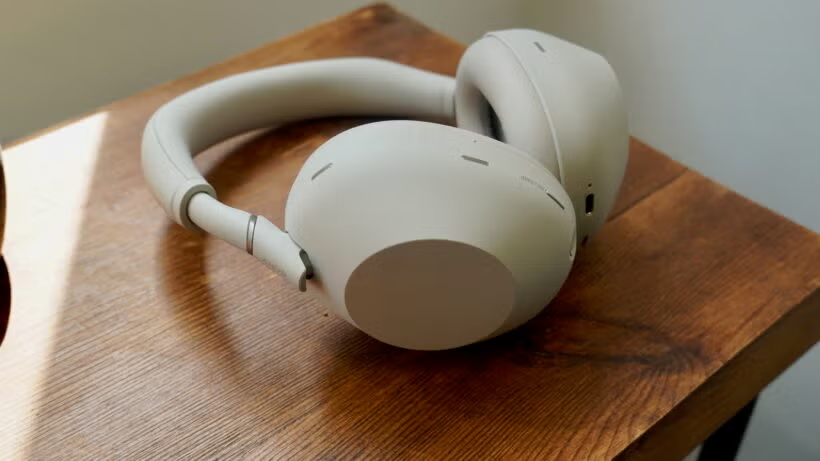
Sony WH-1000XM6 Leak Reveals Pricing and Key Specs, Including Up to 30-Hour Battery Life

Sony is gearing up to launch the WH-1000XM6 headphones, the anticipated successor to the popular WH-1000XM5 model. Although Sony has yet to officially confirm the release date, key details about the new wireless headset have already surfaced online. The WH-1000XM6 is expected to debut at a higher price point compared to its predecessor, reflecting upgraded features and enhanced audio performance. The WH-1000XM5 originally launched globally in May 2022 and arrived in India later that September, setting a high bar for its successor.

According to recent leaks, the WH-1000XM6 headphones could launch in select markets as early as May 15. Pricing rumors suggest the headset will retail for around EUR 449.99 in countries like France and Germany, and slightly higher at EUR 469.99 in Spain and Portugal. In the UK, the expected price is about GBP 399.99, while US customers may see a price tag near $449.99. Battery life is expected to improve, with the WH-1000XM6 offering up to 30 hours of playback on a single charge. Additionally, a quick charge of just three minutes could provide an hour of listening time, with charging via a USB Type-C port.

The headphones are said to feature Sony’s QN3 processor, which dynamically adjusts active noise cancellation based on the surrounding environment. Along with active noise cancellation, the WH-1000XM6 is rumored to include an Ambient Sound Mode and a Talk Mode, allowing users to stay aware of their surroundings or engage in conversations without removing the headset. Other expected features include touch controls for easy navigation, wear detection to pause playback when removed, and call noise reduction to improve voice clarity.

In terms of audio hardware, the WH-1000XM6 may be equipped with 30mm carbon fiber dome drivers designed to deliver rich sound quality. The headset is expected to support Hi-Res Audio, LDAC codec, as well as popular formats like SBC, AAC, and LC3. It will likely cover a wide frequency range from 4Hz to 40kHz, catering to audiophiles and casual listeners alike. Compatibility with Sony’s Sound Connect app is anticipated, providing users with 10-band equalizer customization and personalized sound settings.