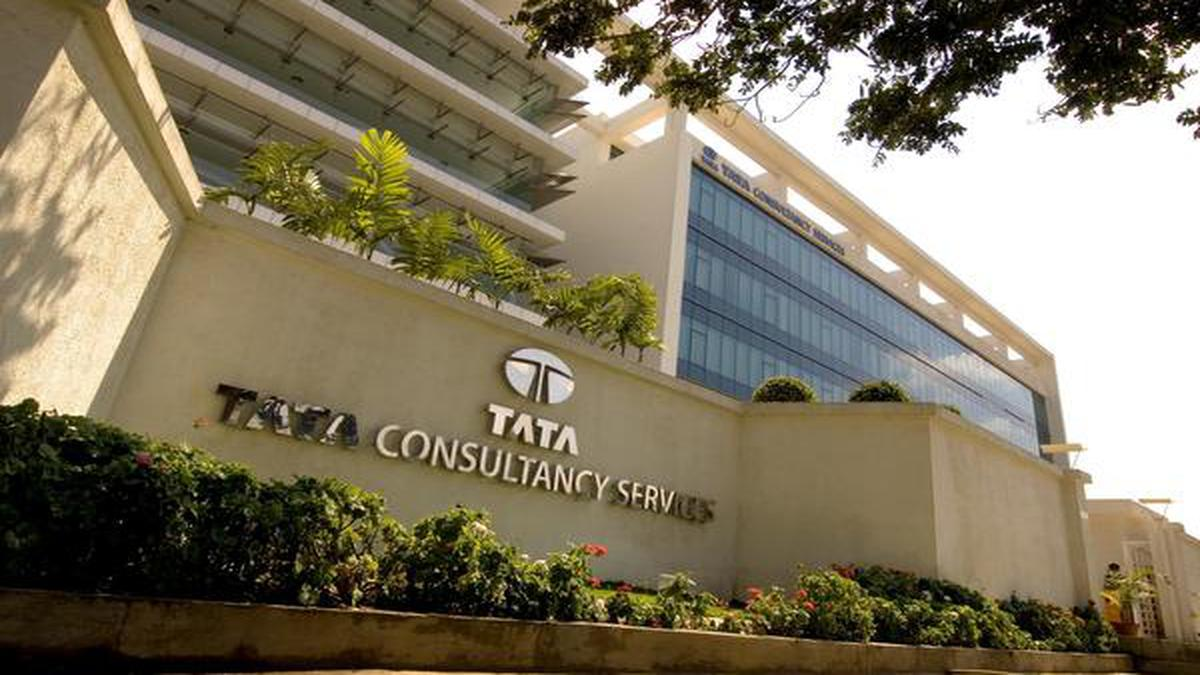
India’s TCS Confirms No Systems Compromised in Marks & Spencer Cyberattack

Tata Consultancy Services (TCS) stated that none of its systems or users were compromised in the recent cyberattack affecting British retailer Marks & Spencer (M&S), a client of over ten years.

At its annual shareholder meeting, independent director Keki Mistry said, “As no TCS systems or users were compromised, none of our other customers are impacted.” He added that the ongoing investigation into the M&S breach does not involve TCS systems.

This marks the first public comment from India’s largest IT services firm on the cyberattack. M&S did not immediately respond to requests for comment.

TCS provides technology services to M&S and secured a $1 billion contract in early 2023 to modernize the retailer’s legacy technology, focusing on supply chain and omnichannel sales improvements.

The cyberattack, disclosed by M&S in April, is described as “highly sophisticated and targeted.” It is expected to cost M&S approximately £300 million ($403 million) in lost operating profit, with online service disruptions anticipated until July.

Last month, the Financial Times reported that TCS was internally investigating whether its systems were used as a gateway for the cyberattack.

Mistry chaired the shareholder meeting, while Tata Group Chairman N Chandrasekaran was absent due to urgent matters related to a recent Air India plane crash in Ahmedabad, which killed 241 of the 242 passengers onboard.


Malaysia Obtains Court Order Against Telegram Over Harmful Content

Malaysia’s communications regulator announced on Thursday it has secured a temporary court order against messaging platform Telegram and two specific channels for allegedly spreading content that violates Malaysian law.

The Malaysian Communications and Multimedia Commission (MCMC) said it sought the order due to Telegram’s “serious failure to address content that has been repeatedly reported.” The two targeted Telegram channels, named “Edisi Siasat” and “Edisi Khas,” reportedly contained material with the potential to undermine public trust in national institutions and disrupt social harmony.

A Malaysian high court granted an interim injunction to halt the dissemination of the harmful content and prevent its republication. The commission did not specify the exact nature of the content.

Telegram did not immediately respond to requests for comment. The MCMC emphasized that Telegram would be given a fair chance to defend itself in accordance with justice and fundamental rights.

In January, Malaysia enacted a new social media law requiring platforms and messaging services with over 8 million users in the country to obtain licenses or face legal penalties. The law targets rising cybercrime and increasing harmful social media content.

Malaysian authorities classify online gambling, scams, child pornography and grooming, cyberbullying, and content related to race, religion, and royalty as harmful under the law.

Japan’s TDK Acquires U.S. Smart Glasses Company SoftEye

Japanese electronics manufacturer TDK announced on Thursday it has acquired SoftEye, a U.S.-based company specializing in software and hardware for smart glasses. This acquisition supports TDK’s strategy to find new growth drivers linked to artificial intelligence (AI).

SoftEye, headquartered in San Diego, California, develops eye-tracking and object recognition technologies. Its founder and CEO, Te-Won Lee, has previously held executive roles at Samsung Electronics and Qualcomm.

According to a source familiar with the deal, the acquisition is valued at under $100 million.

Tech companies are increasingly investing in hardware beyond smartphones, with smart glasses gaining attention. Facebook owner Meta and others are focusing on AI-powered smart glasses to enhance user interaction with their environment. Social media company Snap plans to launch consumer smart glasses next year, and Alphabet’s Google recently showcased smart glasses at its developer conference. Chipmaker Qualcomm also unveiled a smart glasses processor this month.

TDK, once famous for its cassette tapes, now plays a key role in electronics by supplying components and batteries for smart glasses.