EU Probes Corporate Structure of Elon Musk’s X Months After xAI Acquisition

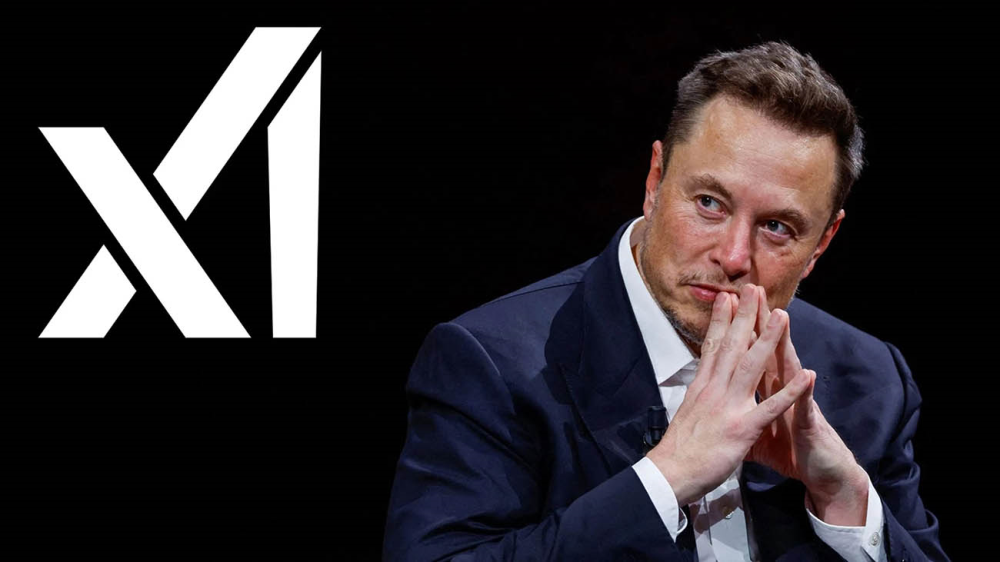
The European Union announced on Thursday that it is seeking further information from Elon Musk’s social media platform X regarding recent changes to its corporate structure. This inquiry comes months after the platform was acquired by Musk’s xAI in a $33 billion deal.

A spokesperson for the European Commission, the EU’s executive branch, stated, “We are following closely changes in the corporate structure of X, as we would changes in any other designated platform.” However, the spokesperson did not confirm Bloomberg News reports suggesting that regulators are considering potential fines against X under the Digital Services Act (DSA).

Bloomberg reported that the regulator might announce a fine on X before its summer recess in August for alleged violations under the DSA, though such a timeline could be delayed.

Representatives from both xAI and X did not immediately respond to Reuters’ requests for comment.

Under the DSA, companies found in breach can face fines of up to 6% of their global turnover, with repeat offenders potentially banned from operating within Europe.

Earlier this month, X updated its blue checkmark disclaimer to preempt a possible substantial fine from EU antitrust authorities. The European Commission had issued preliminary findings in July last year stating that X violated the DSA’s rules on deceptive design by converting the blue checkmark into a paid verification, thereby misleading users about credibility. X has disputed this assessment.
Honda-backed Helm.ai Unveils Vision System for Self-Driving Cars

Helm.ai, a California-based startup backed by Honda Motor, introduced its new camera-based urban environment interpretation system called Helm.ai Vision. The company is negotiating with multiple automakers to integrate its self-driving technology into mass-market vehicles.

Helm.ai is collaborating with Honda to embed the system in the upcoming 2026 Honda Zero series of electric vehicles, which will enable hands-free driving and allow drivers to take their eyes off the road.

CEO and founder Vladislav Voroninski told Reuters that the company’s business model centers on licensing this software, including foundation model software, to automakers. Helm.ai’s vision-focused system aligns with Tesla’s approach, relying on cameras rather than sensors like lidar or radar, which can add significant costs.

Voroninski acknowledged Helm.ai’s foundation models can work with other sensors but emphasized that the primary offering remains vision-centric. Industry experts, however, highlight that supplementary sensors such as lidar and radar are vital for safety, especially under poor visibility conditions.

In contrast, robotaxi companies like Alphabet’s Waymo and May Mobility use a sensor fusion approach combining radar, lidar, and cameras to ensure comprehensive environment perception.

Helm.ai has raised $102 million to date, with investors including Goodyear Ventures, Korean auto parts maker Sungwoo HiTech, and Amplo.

The Helm.ai Vision system merges inputs from multiple cameras to create a bird’s-eye view map that enhances vehicle planning and control. It is optimized for hardware platforms from Nvidia, Qualcomm, and others, facilitating automakers’ integration of Helm.ai Vision into existing vehicle systems.

How the World’s Top Ad Agencies Colluded to Fix Prices in India

Internal communications revealed that major global advertising firms secretly coordinated to rig ad prices in India’s vast market, undermining competition and client choice.

In October 2023, Omnicom Media’s India CEO, Kartik Sharma, expressed frustration in a WhatsApp group after a rival agency attempted to poach a client by offering lower rates—violating an industry-wide agreement on pricing.

The WhatsApp group, formed in August 2023 and including top executives from WPP’s GroupM, Omnicom Media, IPG Mediabrands, Publicis, Havas Media, Japan’s Dentsu, and India’s Madison World, discussed coordinating pricing strategies and responses to clients. According to evidence reviewed by Reuters and obtained from India’s Competition Commission (CCI), the agencies agreed not to undercut each other, colluded with broadcasters to penalize non-compliant firms, and coordinated financial terms for at least four major Indian clients.

The cartel was facilitated by two industry bodies—the Advertising Agencies Association of India (AAAI) and the Indian Broadcasting & Digital Foundation (IBDF)—both led by senior executives from WPP Media India and Reliance-Disney respectively. The AAAI circulated guidelines requiring agencies to charge minimum commissions on digital and traditional ads and agreed with broadcasters not to offer unilateral discounts.

The CCI dossier revealed discussions about client pitches involving firms like Swiggy, Cipla, Meesho, and Kshema Insurance. For example, the AAAI arranged a Zoom call to unify the industry’s stance on rebates for Swiggy’s ad campaign. A Dentsu executive noted on WhatsApp that the agencies would retain 30% commission and pass back 70% to clients as rebates.

In August 2023, AAAI’s president urged broadcasters like Walt Disney to withhold business from agencies breaking the cartel agreements. Tensions rose when Omnicom Media learned that ITW Consulting had bypassed these pacts with a direct deal on Disney’s Hotstar streaming platform during the Cricket World Cup.

Despite these revelations, the foreign headquarters of the involved agencies have not confirmed awareness of the collusion. Dentsu India disclosed its involvement under the CCI’s leniency program aimed at reforming industry practices from within. Other agencies declined comment, and the regulator has yet to conclude its probe.

This investigation adds to ongoing scrutiny of ad agency practices globally, with similar probes underway in the U.S. following suspicions of anti-competitive behavior.