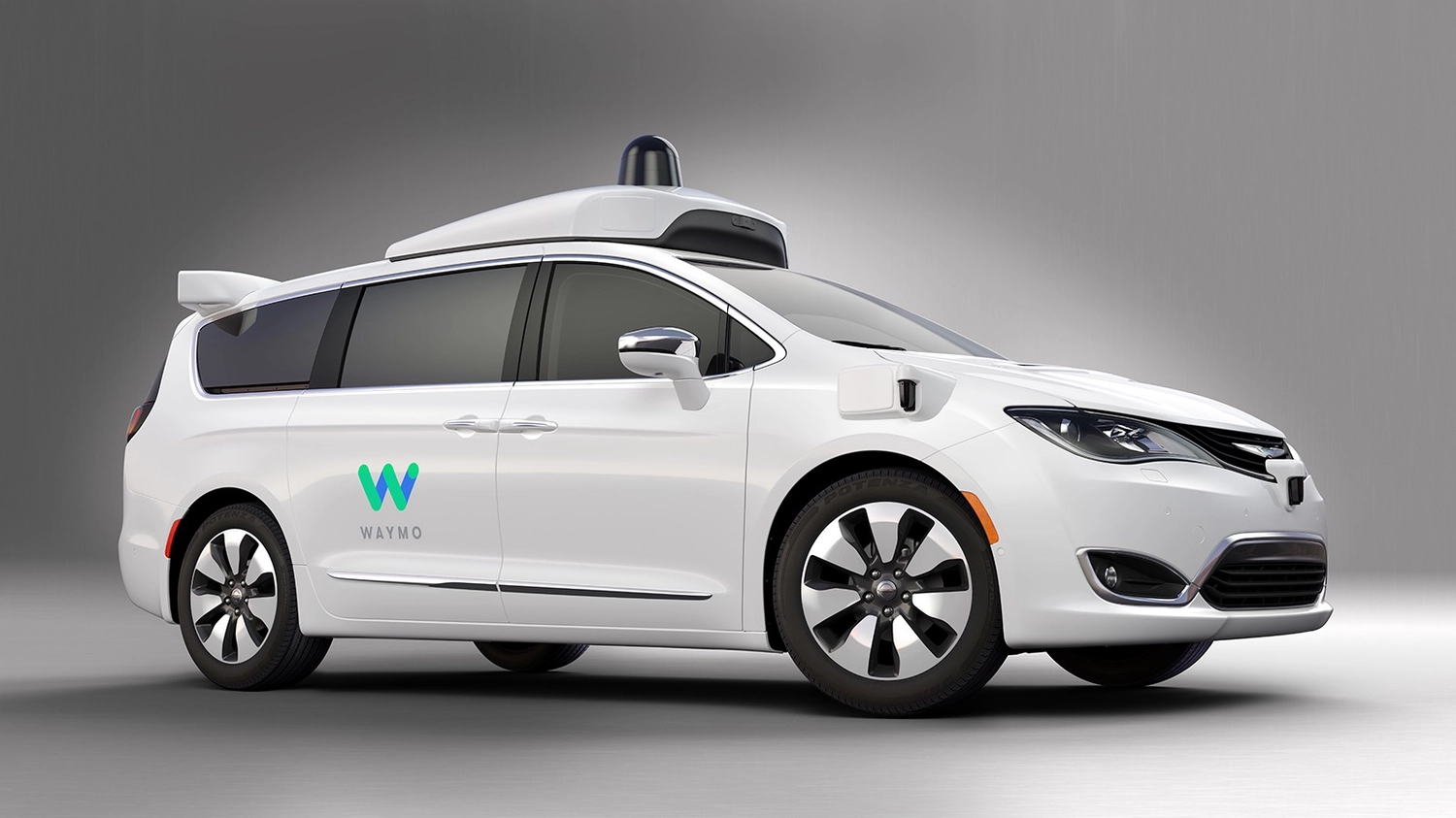
Waymo Returns to New York City for Autonomous Vehicle Testing

Waymo, the self-driving technology unit of Alphabet, announced on Wednesday that it will resume testing in New York City next month, bringing its autonomous vehicles back to Manhattan streets as it scales up U.S. operations.

The company has formally applied for a permit with the New York City Department of Transportation to conduct autonomous testing with a trained human operator behind the wheel. While the current phase will begin with manual driving, the permit would pave the way for New York’s first official autonomous vehicle test deployment on public roads.

“This is not an expansion, but we have every intention of bringing our fully autonomous ride-hailing service to the city in the future,” Waymo said in a statement.

New York State law currently prohibits fully driverless vehicle operation — a restriction Waymo is now lobbying to change.

Waymo first brought its vehicles to Manhattan in 2021, conducting manual driving and data collection exercises. The latest push signals its long-term commitment to eventually offering robotaxi services in one of the country’s most complex urban environments.

The move comes amid heightened competition in the self-driving industry. Rival Tesla is expected to launch a limited trial of its autonomous taxi service with just 10 vehicles this weekend, signaling growing industry momentum.

Meanwhile, Waymo continues to expand in California. The company announced Tuesday it will extend coverage to more areas of Silicon Valley and the San Francisco Peninsula after receiving state regulatory approval last month.

Currently, Waymo remains the only U.S. company operating robotaxi services with paying passengers, delivering over 250,000 weekly rides across San Francisco, Los Angeles, Phoenix, and Austin with a fleet of more than 1,500 autonomous vehicles.

Stablecoins Hit Record $251.7 Billion Market Cap as U.S. Senate Advances Regulatory Bill

The market capitalization of stablecoins surged to a record $251.7 billion on Wednesday, marking a 22% increase so far in 2025, according to data from CoinDesk. The milestone coincides with a significant regulatory breakthrough as the U.S. Senate passed a bill aimed at bringing clarity and legitimacy to the fast-growing digital asset class.

Stablecoins — cryptocurrencies pegged to traditional currencies like the U.S. dollar — have become vital tools for crypto traders, allowing them to quickly move between assets without exposure to market volatility. But their growing role in digital finance has also sparked concerns about financial stability, prompting U.S. lawmakers to step in.

The new Senate-approved bill would, if signed into law, require stablecoins to be:

  • Fully backed by liquid assets, such as U.S. dollars or short-term Treasury bills, and

  • Subject to monthly public disclosure of reserve composition by issuers.

The proposed framework is being hailed by many in the crypto industry as a major legitimizing step. Proponents argue that with clear rules and reserve transparency, stablecoins could be used for instant global payments and could serve as a bridge between traditional finance and decentralized systems.

However, critics remain cautious. Some analysts warn that a growing reliance on stablecoins could tighten the link between the crypto market and traditional financial infrastructure, increasing systemic risk if not carefully managed.

Still, the surge in stablecoin market cap reflects renewed investor confidence. The bill’s advancement sends a clear message: regulation is coming, and the market is preparing to embrace it.

Microsoft May Walk Away from OpenAI Negotiations Amid Stake Disputes

Microsoft is reportedly prepared to abandon high-stakes negotiations with OpenAI over the future of their strategic alliance, according to a report by the Financial Times published Wednesday. The talks have hit a stalemate over key disagreements, particularly regarding the size and structure of Microsoft’s future equity stake in the artificial intelligence company.

Sources familiar with the matter told the FT that Microsoft may pause or terminate discussions if no breakthrough is reached. In the meantime, Microsoft plans to lean on its existing commercial agreement, which guarantees access to OpenAI’s technologies, including its ChatGPT models, through 2030.

The situation comes amid increased tension between the two AI powerhouses. A separate Wall Street Journal report earlier this week revealed that OpenAI executives have considered accusing Microsoft of anticompetitive practices related to their ongoing partnership. Both companies are reportedly negotiating changes to Microsoft’s investment terms, including its future stake in OpenAI.

Despite the friction, both sides released a joint statement earlier this week affirming their intention to collaborate:

“Talks are ongoing, and we are optimistic we will continue to build together for years to come.”

Microsoft’s multi-billion dollar investment into OpenAI has positioned it as a central player in the AI boom, helping the company compete aggressively with rivals like Google and Amazon. The partnership has powered Microsoft’s integration of OpenAI models into products like Copilot in Microsoft 365 and Azure OpenAI Service.

Meanwhile, OpenAI is seeking approval from Microsoft—its dominant backer—to convert into a public-benefit corporation, a structural change the startup believes would facilitate greater capital raising flexibility.

The evolving rift highlights the complex interdependence between Big Tech firms and rapidly-scaling AI startups, raising questions about governance, control, and long-term alignment in the sector.