
Zoox Opens Robotaxi Factory, Escalating Rivalry with Tesla and Waymo

Amazon-owned Zoox has officially launched its first robotaxi production facility, signaling a major step toward commercializing its autonomous vehicle service and intensifying competition with industry leaders Tesla and Waymo.

Located in Hayward, California, the new 220,000-square-foot factory is capable of assembling over 10,000 robotaxis per year at full capacity. While Zoox has not disclosed its initial production figures, the move reflects its plans to scale significantly as it prepares for public ride launches.

The company is currently testing its fully autonomous, purpose-built robotaxis — uniquely designed vehicles with no steering wheels or pedals — in multiple U.S. cities. It expects to begin commercial operations in Las Vegas later this year, followed by expansion in San Francisco, where it is already operating in the SoMa (South of Market) neighborhood.

“Anticipated public demand and upcoming market entries justify this scale-up in production,” Zoox stated, hinting at more widespread deployments in the coming years.

Zoox’s entry comes at a pivotal moment in the robotaxi race:

  • Waymo, owned by Alphabet, already runs a mature driverless taxi service and is expanding across U.S. cities.

  • Tesla, led by Elon Musk, plans to launch its paid robotaxi service on June 22, using Model Y SUVs with self-driving software, and later a Cybercab—a futuristic, manual-control-free, two-seater vehicle.

Unlike Waymo’s retrofitted models and Tesla’s modified SUVs, Zoox’s vehicles are custom-built from the ground up, resembling compact “toaster ovens” and designed specifically for autonomous operations.

Still, all major players in the space face substantial hurdles. Regulatory constraints, safety concerns, and cost overruns have hampered progress toward full autonomy. Moreover, companies including Zoox, Tesla, and Waymo have been subject to federal investigations and recalls after incidents involving their autonomous systems.

Nevertheless, Zoox’s new production hub marks a bold bet that it can move from limited testing to mass deployment, turning science fiction into a scalable reality.

Poor Grid Planning Threatens Europe’s Data Centre Hubs, Ember Report Warns

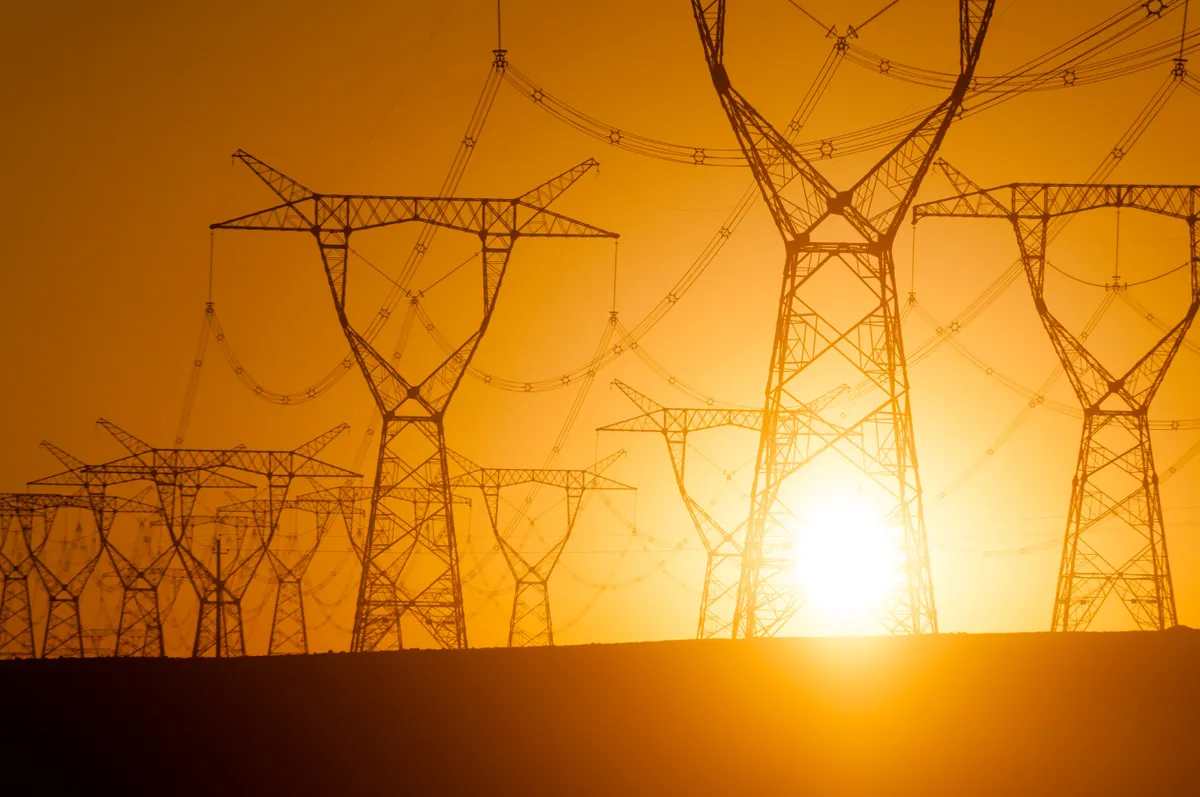
Europe’s top data centre locations, including Frankfurt, London, Amsterdam, Paris, and Dublin, risk losing their dominance unless governments improve long-term grid planning, according to a new report released Thursday by energy think-tank Ember.

The surge in demand for data centres, driven by the rise of artificial intelligence (AI) and its energy-intensive computing needs, is shifting investment priorities. Developers are increasingly choosing locations with faster and easier access to electricity, rather than remaining loyal to traditional hubs plagued by long grid connection delays.

The report warns that by 2035, up to 50% of Europe’s data centre capacity could relocate outside the current main hubs. This could divert billions of euros in economic activity to emerging markets, with significant implications for GDP and job creation. For example, data centres in Germany generated €10.4 billion in GDP in 2024 — a figure expected to more than double by 2029. Losing momentum in such a high-growth sector could harm economic prospects in these countries.

While France is likely to retain investment due to a relatively unconstrained grid, others could suffer delays of up to 13 years in connecting new data centres. The average wait time in the legacy hubs is 7–10 years, compared to only 3 years in Italy and even less in some emerging regions.

Grids are ultimately deciding where investments go,” said Elisabeth Cremona, Senior Energy Analyst at Ember. “If Europe wants to maintain its competitiveness and achieve economic growth, it must prioritise grid development.”

She emphasized that the issue extends beyond data centres to all sectors undergoing electrification. Without updated grid infrastructure, industries could struggle to scale or relocate entirely to regions with faster energy access.

Electricity demand from data centres is projected to triple in Sweden, Norway, and Denmark by 2030, and increase three- to fivefold in Austria, Greece, Finland, Hungary, Italy, Portugal, and Slovakia by 2035.

The findings highlight an urgent need for European policymakers to treat grid planning as a strategic investment tool, not just a utility service, in order to retain tech-sector leadership and support industrial transformation.

Iran’s Nobitex Crypto Exchange Hit by Hackers, $90 Million in Funds Destroyed

A powerful anti-Iranian hacking group known as Gonjeshke Darande (Predatory Sparrow) claimed responsibility on Wednesday for a devastating cyberattack on Nobitex, Iran’s largest cryptocurrency exchange. The attack allegedly destroyed around $90 million in digital assets and threatened to leak the platform’s source code.

This marks the group’s second strike in two days, following an earlier operation targeting Bank Sepah, a state-owned Iranian bank. The campaign comes amid escalating tensions and missile exchanges between Israel and Iran.

The hackers claim Nobitex aids the Iranian regime in evading sanctions and financing militant groups, including Hamas, Palestinian Islamic Jihad, and Yemen’s Houthis. Blockchain forensics firm Elliptic confirmed these ties in a blog post, noting that funds had been exchanged between Nobitex and wallets linked to those entities.

Early Wednesday, funds were transferred from Nobitex to hacker-controlled wallets displaying anti-IRGC (Islamic Revolutionary Guard Corps) messages. Analysis by TRM Labs and Chainalysis confirmed that approximately $90 million in cryptocurrency was irretrievably “burned” in the operation, meaning the attackers intentionally rendered the assets inaccessible as a political statement.

Elliptic noted that the structure of the hacker wallets ensured that even the attackers could not access the stolen assets.

Nobitex confirmed in a post on X (formerly Twitter) that it had taken its website and app offline due to “unauthorized access.” Its Telegram support channels did not respond to inquiries.

The cyberattack adds to a growing list of high-profile hacks by Predatory Sparrow, which has previously disabled Iranian infrastructure, including gas stations and steel mills. Though Israel has never officially claimed the group, its operations are widely considered to align with Israeli cyber interests.

Senators Elizabeth Warren and Angus King recently highlighted Nobitex’s suspected role in Iranian sanctions evasion in a letter to the Biden administration, citing prior Reuters investigations from 2022.

Cybersecurity experts warn that this breach could further inflame geopolitical tensions while demonstrating the increasing use of blockchain technology in modern cyber warfare.