
‘GTA VI’ Delay Slows Global Video Game Market Growth, Newzoo Report Shows

The global video game market’s growth is projected to improve slightly in 2025, increasing by 3.4% to reach $188.9 billion, according to a report by research firm Newzoo, exclusively seen by Reuters on Tuesday. This marks a modest rise from last year’s 3.2% growth.

Industry experts had anticipated a stronger surge in 2024 driven by the anticipated launch of Take-Two Interactive’s blockbuster title Grand Theft Auto VI (GTA VI) alongside new gaming consoles. However, the game’s delay to 2026, combined with hardware price hikes caused by tariffs, has created uncertainty in consumer spending patterns.

Michiel Buijsman, Newzoo’s principal analyst, noted that the forecast accounts for factors such as hardware cycles, pricing trends, growth in installed user bases, and the slate of upcoming game releases. Despite the delay, Newzoo projects an average annual growth rate of 3.3% through 2027, down from an earlier forecast of 3.7%.

The market is expected to benefit from GTA VI’s launch in 2026 and other premium games such as Capcom’s Resident Evil Requiem. The PC release of GTA VI is also predicted to sustain growth through 2027.

Price increases for major consoles like Microsoft’s Xbox and Sony’s PlayStation have raised concerns about slowing hardware sales amid global economic uncertainty. Meanwhile, Nintendo’s Switch 2 has become the company’s fastest-selling console to date, bucking this trend.

Buijsman highlighted that Xbox sales continue to lag behind PlayStation’s previous generation, projecting moderate hardware sales ahead. Xbox recently announced its new handheld device, the Xbox Ally, developed with ASUS, which is slated for release during the 2025 holiday season.

Adobe Launches Firefly AI Image Generation App for Smartphones, Expands Partner Integrations

Adobe Inc. unveiled its first dedicated AI-powered smartphone app, Firefly, on Tuesday, combining Adobe’s own AI model with those from partners including OpenAI and Google. The app is available for both iOS and Android devices and aims to capitalize on the rising popularity of AI-generated images shared on social media.

Beyond Adobe’s internal AI models, Firefly integrates additional capabilities from new collaborators such as Ideogram, Luma AI, Pika, and Runway, accessible through Firefly Boards within the Firefly web app ecosystem.

The mobile app offers unlimited basic image generation from Adobe’s models for subscribers, with premium access to partner models available for an extra fee. Subscription pricing matches Adobe’s existing Firefly web plans, starting at $10 per month.

This move follows Adobe’s earlier rollout of AI features integrated into the mobile version of its flagship image-editing tool, Photoshop.

Adobe emphasized its commitment to ethical AI training practices, assuring users that Firefly’s AI is trained exclusively on legally licensed material, thus providing protection against copyright infringement claims.

Ely Greenfield, Adobe’s CTO for digital media, highlighted that this responsible approach has resonated well with consumers and remains a key differentiator in the competitive AI market.

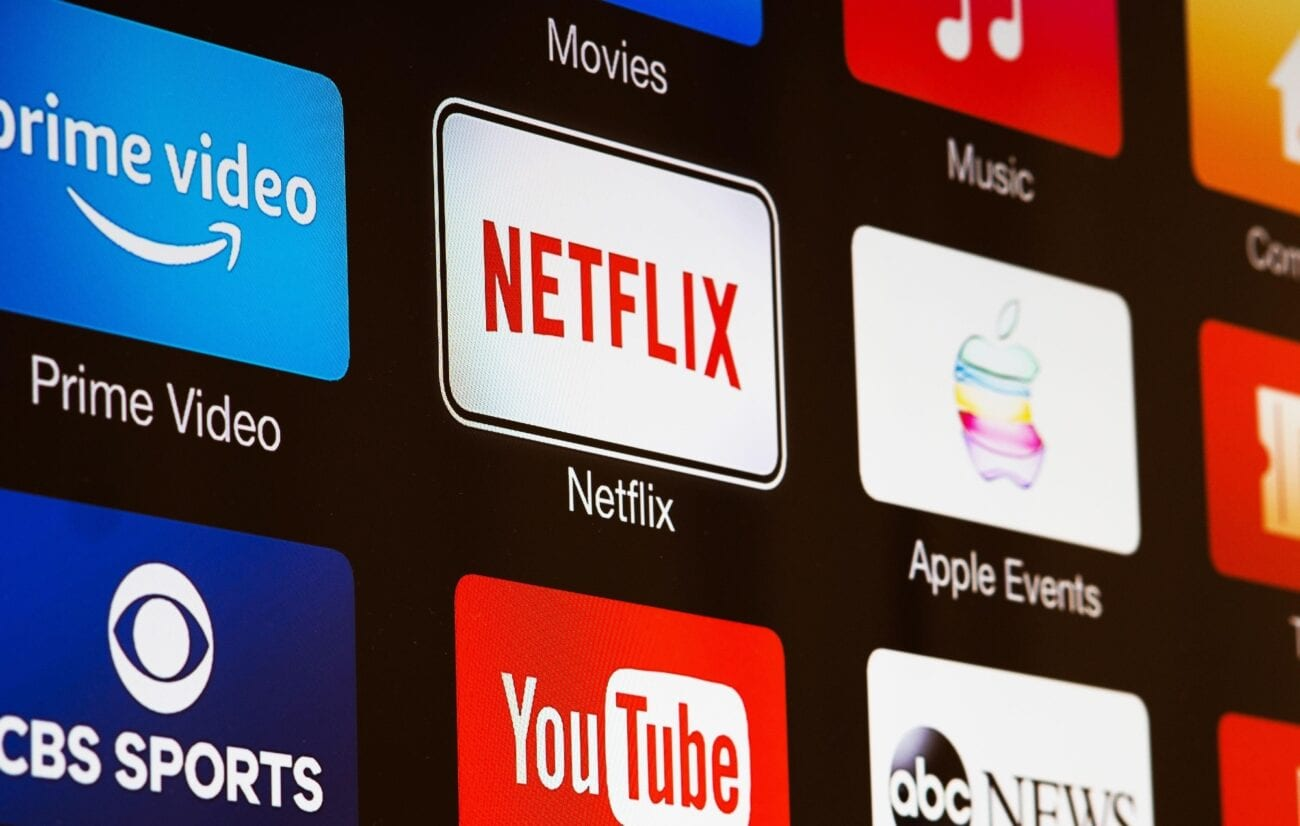
Streaming Surpasses Broadcast and Cable TV Viewing in US for the First Time

Streaming services have overtaken traditional broadcast and cable television in the United States, capturing a larger share of viewers in May than the two combined, according to Nielsen’s monthly report, The Gauge, released Tuesday.

In May, streaming accounted for 44.8% of total TV usage in the U.S., marking a significant milestone in the shift toward digital platforms. Leading the charge, YouTube alone held a 12.5% share of all television viewing, the highest for any streaming service.

Free ad-supported streaming services such as PlutoTV, Roku Channel, and Fox’s Tubi also gained traction, collectively attracting 5.7% of total TV viewers, Nielsen said.

In comparison, traditional broadcast TV accounted for 20% of viewership, while cable TV held 24% in May.

The rise of streaming, which accelerated during the COVID-19 pandemic as viewers sought home entertainment options, underscores a fundamental change in how audiences consume content. On-demand viewing is increasingly favored over scheduled programming, reshaping the media landscape and affecting both advertisers and content creators.