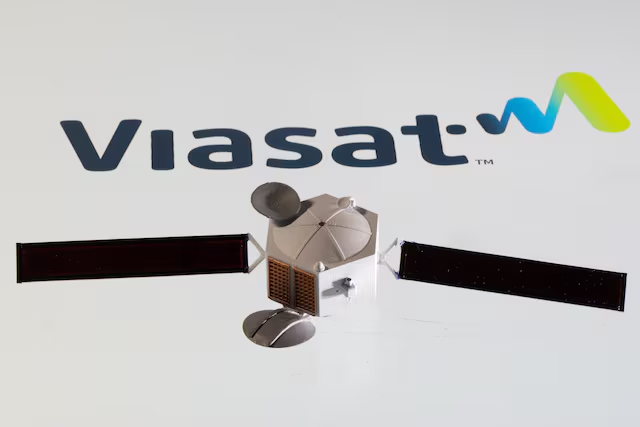
Viasat Confirmed as Victim of Chinese Salt Typhoon Cyberespionage Campaign

Satellite communications firm Viasat Inc has been identified as a victim of the Salt Typhoon cyberespionage operation linked to China during the 2024 U.S. presidential campaign, Bloomberg News reported on Tuesday, citing sources familiar with the investigation.

The breach was discovered earlier this year. Viasat, working alongside a government investigation and an independent cybersecurity partner, found evidence of unauthorized access through a compromised device but stated there was no evidence of customer data being affected.

“Viasat believes that the incident has been remediated and has not detected any recent activity related to this event,” the company said in a statement.

U.S. officials have previously accused Salt Typhoon hackers of breaching multiple telecom companies—including Verizon, AT&T, and Lumen—stealing sensitive telephone audio intercepts and extensive call records. In December, the government added a ninth unnamed telecom firm to the list of victims, revealing the hackers had broad network access to track millions of individuals and record phone calls.

Reportedly, Salt Typhoon targeted individuals connected to both major presidential campaigns, including those of Democrat Kamala Harris and Republican Donald Trump.

China has denied the allegations, labeling them as disinformation and asserting Beijing’s opposition to cyberattacks and cyber theft.

Coinbase Seeks SEC Approval to Offer Tokenized Stocks on Blockchain

Coinbase is pursuing approval from the U.S. Securities and Exchange Commission (SEC) to offer tokenized equities—digitally represented stocks traded on blockchain technology—to its customers, according to Paul Grewal, Coinbase’s chief legal officer.

If approved, Coinbase would enter direct competition with retail brokers like Robinhood and Charles Schwab by allowing users to trade stocks in token form. This new service could open a significant business segment for the crypto exchange.

What Are Tokenized Equities?

Tokenized equities convert traditional shares into digital tokens, enabling investors to hold and trade ownership rights on a blockchain network. Advocates argue that tokenization can:

  • Reduce trading costs

  • Enable faster settlement of trades

  • Allow 24/7 trading outside conventional market hours

Challenges and Regulatory Context

Despite enthusiasm, the concept faces hurdles, including limited secondary-market liquidity and the absence of global regulatory standards, as highlighted by a recent World Economic Forum report.

Currently, U.S. law requires securities trading platforms to be registered as broker-dealers. Coinbase previously faced an SEC lawsuit for allegedly operating as an unregistered broker-dealer, but the case was dropped this year under the Biden administration.

To move forward, Coinbase needs a “no-action letter” or exemptive relief from the SEC—an assurance that the SEC would not take enforcement action if Coinbase offers tokenized stock trading.

Grewal emphasized that such regulatory clarity is vital for boosting institutional adoption of crypto and blockchain technologies.

Market Context

  • Coinbase’s competitor Kraken recently launched tokenized U.S. equity tokens, called xStocks, but only outside the U.S.

  • The SEC under President Trump has adopted a more industry-friendly approach, dropping several lawsuits against crypto firms and creating a task force for digital asset regulation.

No official submission date or launch timeline for Coinbase’s tokenized equities service has been disclosed.

Oracle to Offer Elon Musk’s Grok 3 AI Model to Enterprise Customers

Oracle announced on Tuesday that it will integrate Grok 3, the latest large language model developed by Elon Musk’s xAI, into its cloud infrastructure portfolio for corporate clients, expanding its AI offerings alongside models from Meta, Mistral, and Cohere.

Grok 3, which debuted in February 2025, was previously available to premium subscribers on Musk’s X platform and to developers through xAI. Now, Oracle Cloud Infrastructure (OCI) will host the model in its data centers, allowing business users to run Grok 3 with full enterprise-grade security and data residency protections.

“Our goal here is to make sure we can provide a portfolio of models — we don’t have our own,” said Karan Batta, Oracle’s Senior VP of Cloud Infrastructure. “That’s the current strategy. We are going to be the one that offers all of them.”

This collaboration aligns with Oracle’s strategy of being a multi-model platform, enabling clients to integrate a variety of AI systems into their enterprise workflows without compromising on data sovereignty or compliance requirements.

What It Means for the Market

  • Grok 3, which competes with models from OpenAI and DeepSeek, will now be accessible to companies who prefer Oracle’s security and compliance environment.

  • Oracle’s move reflects rising demand from businesses seeking access to cutting-edge AI models without having to rely on public-facing APIs that may expose sensitive data.

This announcement follows broader trends of cloud providers forming strategic partnerships with AI startups to diversify their AI ecosystems, especially as businesses become more discerning about how and where their data is processed.