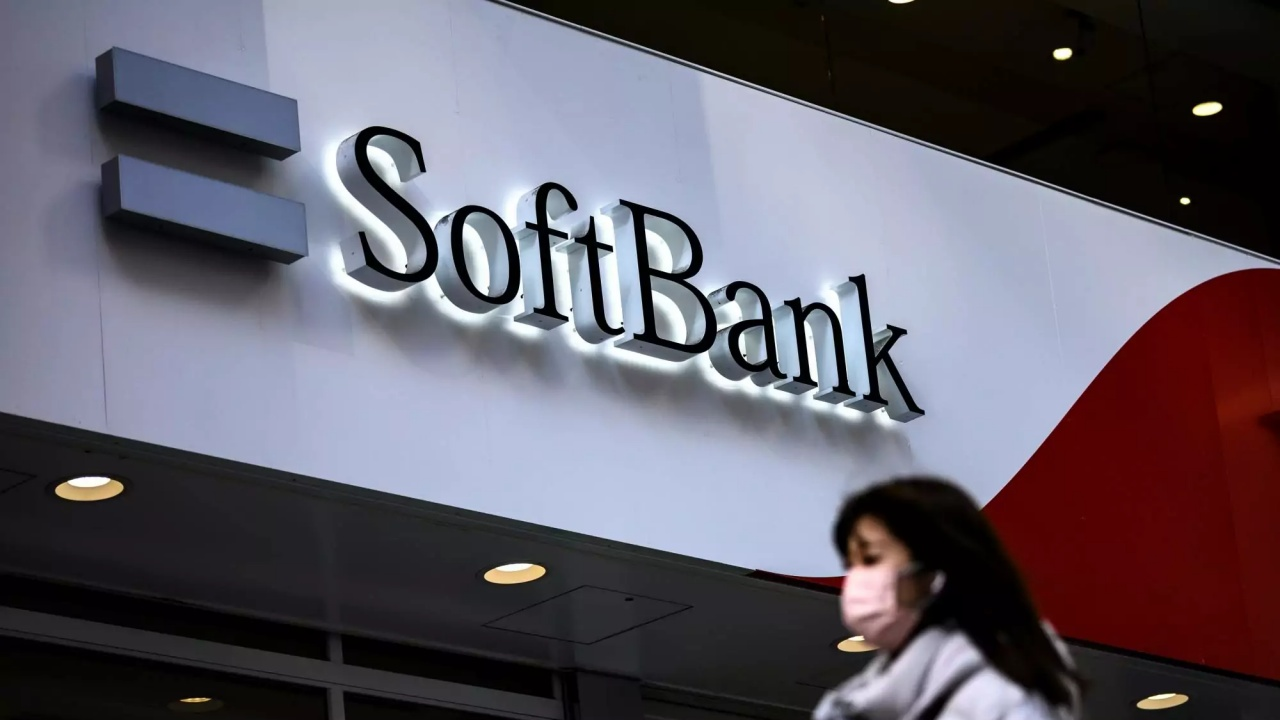
SoftBank Targets $4.9 Billion via T-Mobile Share Sale, Bloomberg Reports

SoftBank Group Corp is planning to raise nearly $4.9 billion through an overnight block sale of shares in T-Mobile US, according to a report by Bloomberg News on Monday. The Japanese tech conglomerate is offering to sell 21.5 million T-Mobile shares at a price range of $224 to $228 per share.

The proposed sale price reflects a discount of over 3% from T-Mobile’s closing price of $230.99 on Monday. The stake represents approximately 1.9% of T-Mobile’s outstanding shares, based on Reuters calculations. Bank of America is reportedly handling the deal.

Neither SoftBank nor T-Mobile has issued public comments in response to the report.

SoftBank’s decision to divest part of its T-Mobile holdings comes shortly after it reported a 1.15 trillion yen ($7.94 billion) profit for the fiscal year ending March 2025, rebounding from a 227.6 billion yen loss the previous year. The move also signals SoftBank’s continued strategy of realizing gains from past tech investments to support its broader portfolio, which has included both major successes like Alibaba and high-profile failures like WeWork.

The sale is being conducted as an unregistered offering, typically structured to appeal to institutional investors without going through full regulatory disclosures.

Dutch Court Confirms Apple Abused Dominant Market Position in Dating App Case

A Dutch court has upheld a 2021 ruling by the Netherlands Authority for Consumers and Markets (ACM), confirming that Apple abused its dominant position in the dating app market through restrictive practices imposed via its App Store.

The Rotterdam District Court ruled that Apple was unfairly forcing dating app developers to use its in-app payment system, prohibiting references to alternative payment methods, and charging up to 30% commission (or **15% for smaller developers). These practices, according to the court, violated EU antitrust regulations.

In 2021, ACM had fined Apple €50 million ($58 million) for failing to comply with its order to change these app store policies. Monday’s court decision affirms that the regulator was justified in both its assessment and the penalties it imposed.

Apple announced it will appeal the ruling, defending its policies as protective of user privacy and security. “This ruling undermines the technology and tools we’ve created to benefit developers and protect users’ privacy and security, and we plan to appeal,” an Apple spokesperson said in a statement to Reuters.

The case highlights growing regulatory scrutiny of Apple’s App Store rules, which have come under fire in several jurisdictions for being anti-competitive. It also adds to the pressure from EU’s Digital Markets Act (DMA), which is designed to open digital markets and limit the control of dominant platforms.

Joe Rogan, AI Chatbots Rise as Key News Sources While Traditional Media Declines

A new report from the Reuters Institute for the Study of Journalism reveals a major shift in how Americans consume news, with podcasters like Joe Rogan and AI chatbots playing a growing role—particularly among younger audiences—while traditional news outlets continue to lose relevance.

In the week following the January 2025 U.S. presidential inauguration, more Americans reported getting news from social and video platforms than from TV, websites, or apps, marking the first time this digital dominance has been recorded in the U.S.

The study, based on a survey of nearly 100,000 people across 48 countries, found the trend especially pronounced among Americans under 35, with over 50% turning to social and video networks as their primary news sources. Globally, 44% of those aged 18–24 also rely on these platforms.

Podcaster Joe Rogan was cited as a news or commentary source by 20% of Americans in the post-inauguration week, making him a top figure in the evolving news landscape. Other widely followed political influencers include Tucker Carlson, Megyn Kelly, Candace Owens, Ben Shapiro, and on the left, Brian Tyler Cohen and David Pakman. Most of these top political voices are male, according to the report.

“These creators are attracting audiences traditional media struggle to reach—especially young men, right-leaning users, and people with low trust in mainstream media,” said Nic Newman, Senior Research Associate at the Reuters Institute.

However, this shift comes with risks. Online influencers are considered major sources of false or misleading information, second only to politicians in the U.S. Over 70% of Americans said they are concerned about distinguishing true from false information online—one of the highest levels globally.

The report also highlights the emerging role of AI in news consumption. Among people under 25, 15% use AI chatbots for news weekly, with ChatGPT, Google Gemini, and Meta AI being the most cited tools. Overall AI-based news usage remains lower, at 7%, but growing.

This trend may also threaten traditional publishers, as AI tools reduce the need for users to click through to original news websites.

While text remains the preferred format for consuming news globally, about a third of people say they prefer watching, and 15% prefer listening—a shift driven largely by younger audiences.

Meanwhile, X (formerly Twitter) is seeing a resurgence as a news platform in the U.S., especially among right-leaning users and young men, with 23% of Americans now using it for news—up 8 points from last year. Other alternative platforms like Threads, Bluesky, and Mastodon are struggling to reach even 2% of users.

Despite all these shifts, trust in news has remained steady at 40% globally for the past three years, the report notes.