South Korea’s President Lee Vows Regulatory Easing and Tariff Talks to Support Trade

South Korean President Lee Jae-myung pledged on Friday that his administration would ease regulations and accelerate working-level tariff negotiations with Washington, as part of a broader effort to support South Korean businesses facing international trade challenges.

Speaking at a meeting with leaders of the country’s top conglomerates, President Lee emphasized that his government would work to minimize the difficulties companies encounter in global competition and help them expand their economic footprint. The gathering included prominent figures such as Samsung Electronics Chairman Jay Y. Lee and Hyundai Motor Group Executive Chair Euisun Chung.

“Our companies are struggling with international competition,” Lee told the business leaders, adding that his administration would adopt a “pragmatic, flexible” trade policy focused on national interests. His spokesperson, Kang Yu-jung, confirmed that Lee intends to expedite discussions on tariffs with Washington.

Since his election on June 3, Lee — a liberal who campaigned on a business-friendly platform — has prioritized economic issues, especially in light of South Korea’s export-driven economy. Key sectors such as semiconductors, automobiles, and shipbuilding are heavily reliant on global trade, making ongoing negotiations with the United States especially critical.

During the meeting, Lee invited executives to provide input on trade challenges. SK Group Chairman Chey Tae-won, who also heads the Korea Chamber of Commerce, voiced concerns about the uncertainty surrounding U.S. tariffs, which complicates corporate decision-making. Samsung’s Lee expressed hope that close cooperation between the government and private sector would help South Korea navigate what he described as a “multi-dimensional crisis.”

The U.S.-South Korea alliance also remains a focal point. On the same day, Seoul’s deputy minister for economic affairs Kim Hee-sang met with Sean O’Neill, a senior U.S. State Department official, to reaffirm bilateral cooperation. O’Neill emphasized opportunities to deepen collaboration in shipbuilding, economic security, and mutual investment.

The tariff negotiations come after President Lee and U.S. President Donald Trump agreed last week to work toward a swift deal during their first phone call since Lee assumed office.

Meanwhile, South Korea’s industry ministry announced plans to evaluate the impact of U.S. tariffs on domestic manufacturers, particularly in the home appliance sector, and to prepare targeted support measures.
Trump to Join AI and Energy Summit in Pittsburgh with Tech and Energy Leaders

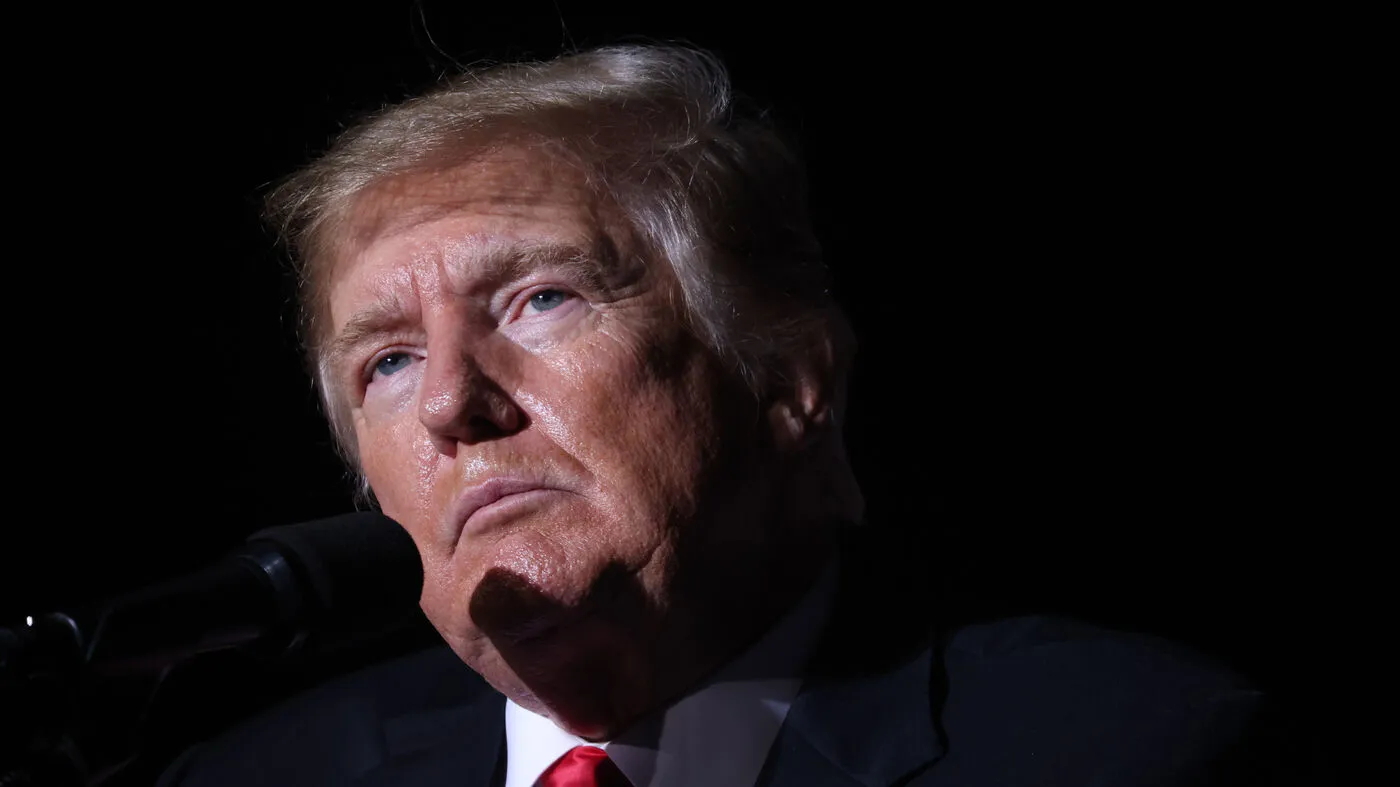
U.S. President Donald Trump will attend an artificial intelligence and energy summit in Pittsburgh, Pennsylvania, on July 15, according to an announcement from the office of Pennsylvania U.S. Senator Dave McCormick. The inaugural Pennsylvania Energy and Innovation Summit will take place at Carnegie Mellon University.

The event is expected to gather top executives from both the tech and energy industries. Axios reported that the guest list includes high-profile tech leaders such as OpenAI CEO Sam Altman, Meta Platforms CEO Mark Zuckerberg, Microsoft CEO Satya Nadella, and Alphabet CEO Sundar Pichai. Leading figures from the energy sector such as Exxon Mobil CEO Darren Woods, Shell CEO Wael Sawan, and Chevron CEO Mike Wirth are also expected to attend.

White House AI czar David Sacks is scheduled to participate as well. Earlier this week, Sacks voiced concerns that excessive regulation of artificial intelligence in the U.S. could hinder industry growth and give China a competitive advantage in the global AI market. His comments suggest that the Trump administration may adopt a more expansionist policy for U.S. AI companies, focusing on boosting international markets for American AI chips and models.

This approach contrasts with that of Democratic former President Joe Biden, who emphasized strict controls to prevent U.S. AI chips from being used to strengthen China’s military capabilities.

Meanwhile, a bipartisan group of 40 state attorneys general, including Republicans from Ohio, Tennessee, Arkansas, Utah, and Virginia, have pushed back against federal efforts to limit state-level AI regulations. They argue that states should retain the authority to develop and enforce consumer protection rules for AI technologies.

The Pittsburgh summit signals the increasing intersection of AI policy, energy strategy, and international trade considerations in U.S. political and economic debates as AI continues to reshape multiple sectors.

Nvidia to Exclude China from Financial Forecasts Amid U.S. Export Restrictions

Nvidia will stop factoring in revenue and profit from the Chinese market in its financial forecasts, CEO Jensen Huang told CNN on Thursday, citing ongoing U.S. trade restrictions on chip sales to the region. The decision comes as the U.S. maintains stringent export controls that limit Nvidia’s ability to sell its advanced chips to Chinese customers.

When asked if the ongoing trade discussions between the U.S. and China could lead to a lifting of export controls, Huang said he was not counting on any changes:

“If it happens, then it will be a great bonus. I’ve told all of our investors and shareholders that, going forward, our forecasts will not include the China market.”

Huang reiterated his criticism of U.S. chip export curbs, arguing that they are not achieving their intended policy objectives. “The goals of the export controls are not being achieved,” he said. “The goals have to be well-articulated and tested over time.”

According to D.A. Davidson analyst Gil Luria, Nvidia may face downside risks for 2026 if it remains unable to resume sales to China. Nvidia’s China business remains significant: in the first quarter, China accounted for 12.5% of the company’s total revenue, generating $4.6 billion largely from customers stockpiling the H20 chip before the restrictions took full effect.

The company estimates the export curbs cost it $2.5 billion in lost sales in Q1, with an $8 billion revenue hit projected for Q2. Nvidia is still exploring limited options for the Chinese market but acknowledged:

“Until we settle on a new product design and receive approval from the U.S. government, we are effectively foreclosed from China’s $50 billion data center market.”

Michael Ashley Schulman, CIO at Running Point Capital, said Nvidia’s move to exclude China from its forecasts simplifies its financial outlook:

“By zero-basing China, Nvidia removes a volatile variable that neither Wall Street nor the Commerce Department can reliably handicap.”