Tesla to Use Remote Teleoperation for Robotaxis Amid Safety Concerns, Faces Limitations

Tesla plans to launch its robotaxi service in Austin, Texas, with around 10 Model Y SUVs operating under strict safety limits. The vehicles will be remotely monitored by humans through teleoperation, a technology allowing operators to control cars from a distance via wireless networks. Tesla CEO Elon Musk emphasized a cautious approach, with humans ready to take control in challenging situations, such as navigating crowded areas or confusing traffic scenarios.

Teleoperation in the robotaxi industry varies. For example, Waymo’s vehicles mostly operate autonomously but can consult human “fleet response” agents for help when uncertain. Baidu’s Apollo Go offers fully remote backup drivers who can take over virtually. Tesla’s model leans toward remote control intervention, supported by recent job ads seeking teleoperation personnel capable of managing vehicles and robots remotely.

However, teleoperation has key limitations. It depends on stable cellular connections, which can lag or drop, creating safety risks if vehicles lose contact with operators during critical moments. Experts warn that while teleoperation might be feasible for a small test fleet like Tesla’s, it becomes unreliable at scale. Additionally, one operator can only monitor a limited number of vehicles effectively.

Tesla’s robotaxis will initially operate only in safe, limited parts of Austin, avoiding complex intersections. The company’s Full Self-Driving software will provide autonomous control, with teleoperators acting as a safety backup. Some Texas lawmakers have urged Tesla to postpone the launch until new autonomous driving laws take effect in September to ensure public safety and trust.
UK Grocery Watchdog Investigates Amazon Over Supplier Payment Delays

The UK’s grocery regulator, the Groceries Code Adjudicator (GCA), has opened an investigation into Amazon to determine whether the company breached rules requiring timely payments to suppliers over a three-year period.

The GCA suspects Amazon of violating paragraph 5 of the Groceries Supply Code of Practice (GSCOP), which mandates prompt supplier payments. Adjudicator Mark White warned that such delays could place Amazon’s suppliers at risk and increase unexpected costs, potentially impacting their ability to invest and innovate.

An Amazon spokesperson expressed disappointment with the investigation but pledged full cooperation, emphasizing the company’s commitment to comply with the code.

The probe will cover the period from March 2022, when Amazon was designated under the code, through June 2025. It will scrutinize Amazon’s payment systems, handling of supplier disputes over payment deductions, and whether the company uses such deductions unfairly in commercial negotiations.

Last year, the GCA threatened formal action against Amazon if it did not improve compliance with GSCOP. A 2024 survey found that fewer than half of Amazon suppliers believed the company “consistently” or “mostly” complied with the code.

Amazon stated it had made several improvements since then, including clearer explanations of cost price decisions, minimum notice periods for delisting products, and upgrades to invoice dispute handling.

The GCA has the authority to impose financial penalties of up to 1% of a retailer’s UK turnover.

US AgTech Faces Investment Drought, But Dairy and Solar Sectors Show Promise

The U.S. agricultural technology (AgTech) sector is experiencing a tough investment climate as macroeconomic challenges, weak commodity prices, and a slow agricultural cycle weigh on funding and valuations. AgTech, which includes precision farming, biotech, and data analytics, aims to boost farming efficiency but has seen venture capital decline.

PitchBook data shows that AgTech venture funding fell to $1.6 billion across 137 deals in Q1 2025 — a 25% drop in deal count and a 3.6% decline in capital compared to the previous quarter.

Tom Brennan, partner at McKinsey & Co., noted, “AgTech’s challenges aren’t unique. This is part of a broader venture capital correction, especially outside AI.”

However, precision farming, which employs automation, robotics, and data tools to address labor shortages and increase accuracy, continues to attract strong investor interest. Over the trailing 12 months, precision agriculture deals reached $1.82 billion, with robotics and smart field equipment seeing a 48.5% growth in value.

Vasanth Ganesan from McKinsey highlighted the labor shortage factor: “About 40% of U.S. agricultural labor is likely undocumented, driving demand for robotics and automation.”

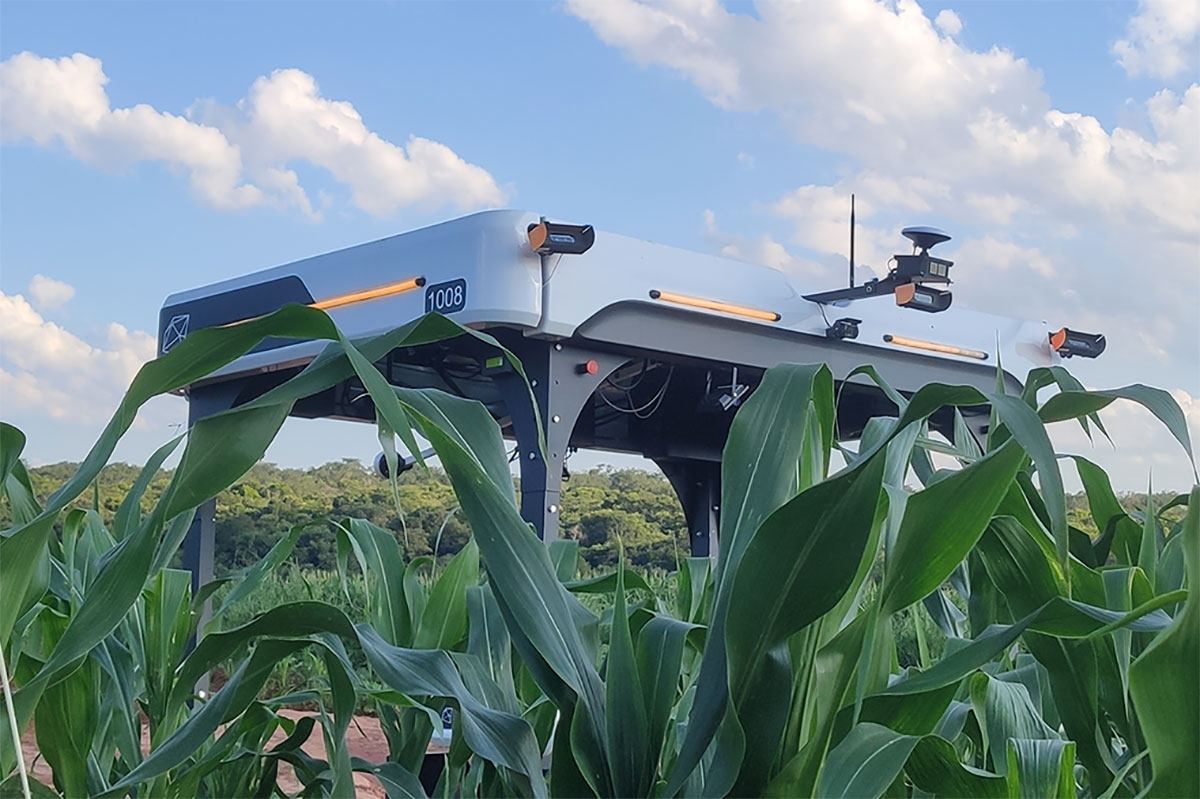
Monarch Tractor, based in California, is gaining traction in autonomous equipment, especially in dairy farms. CEO Praveen Penmetsa said their autonomous feed-pushing feature has been well-received by cooperatives such as Dairy Farmers of America.

Solar land management also presents growth opportunities, using robotic tractors to maintain solar farms—a sector driven by utilities powering AI data centers. Penmetsa added, “We’re collaborating with top North American solar developers and expect major partnerships soon.”

Industry giants like John Deere and Caterpillar are expanding their automation offerings, signaling growing strategic interest and clearer exit pathways for AgTech startups.

Experts forecast a potential capital market rebound in H2 2025, benefiting established companies poised for scale, provided trade tensions do not prolong disruptions.