
Haveli Investments to Acquire AI Database Firm Couchbase for $1.5 Billion

Haveli Investments announced on Friday its plan to acquire Couchbase (BASE.O), a cloud-based database company specializing in AI applications, for approximately $1.5 billion. Following the announcement, Couchbase shares surged 29% in early trading, building on a 21% gain earlier this year.

Couchbase’s platform supports AI-driven applications by offering a flexible data model and scalable infrastructure, catering to the growing demand for managing large volumes of unstructured data. The company competes with modern database firms like MongoDB, Cockroach Labs, Snowflake, and Databricks, which are challenging legacy database providers such as Oracle.

Haveli, led by former Vista Equity Partners president Brian Sheth, will pay $24.50 per share — a premium of around 29% over Couchbase’s previous closing price. The private equity firm already holds a 9.6% stake in Couchbase.

A recent SEC filing revealed Haveli’s interest in working with Couchbase’s management or board to explore strategic options, including a potential merger. The deal includes a “go-shop” period until Monday, allowing Couchbase to consider competing offers.

Australia’s Teen Social Media Ban Trial Finds Age-Checking Software Can Work

Organizers of the world’s largest trial of age assurance technology say that software-based methods to enforce Australia’s upcoming ban on under-16s using social media are feasible, despite some limitations. The government-commissioned Age Assurance Technology Trial involved over 1,000 Australian school students and hundreds of adults.

Starting this December, companies such as Meta (owner of Facebook and Instagram), Snapchat, and TikTok must demonstrate they take reasonable steps to block users under 16 or face fines up to A$49.5 million (approximately $32 million). This makes Australia the first country to implement such a ban.

Concerns have been raised by child protection advocates, tech groups, and youths about the enforceability of the ban, citing methods like Virtual Private Networks (VPNs) that mask users’ locations.

Tony Allen, CEO of the UK-based Age Check Certification Scheme overseeing the trial, stated, “Age assurance can be done in Australia privately, efficiently and effectively.” The trial concluded there are “no significant tech barriers” to deploying such software, though no single solution works perfectly in all cases.

Allen also highlighted risks around data privacy, noting that some firms may over-collect data beyond what regulators or law enforcement would require in the future.

While detailed data and product names were not disclosed, a final report will be submitted to the government next month to guide upcoming industry consultations before the December enforcement deadline.

The office of Australia’s eSafety Commissioner commented that preliminary results indicate age assurance tech, if used properly alongside other methods, can be “private, robust and effective.”

Australia’s approach is being closely monitored internationally as other governments consider measures to protect children from social media exposure.

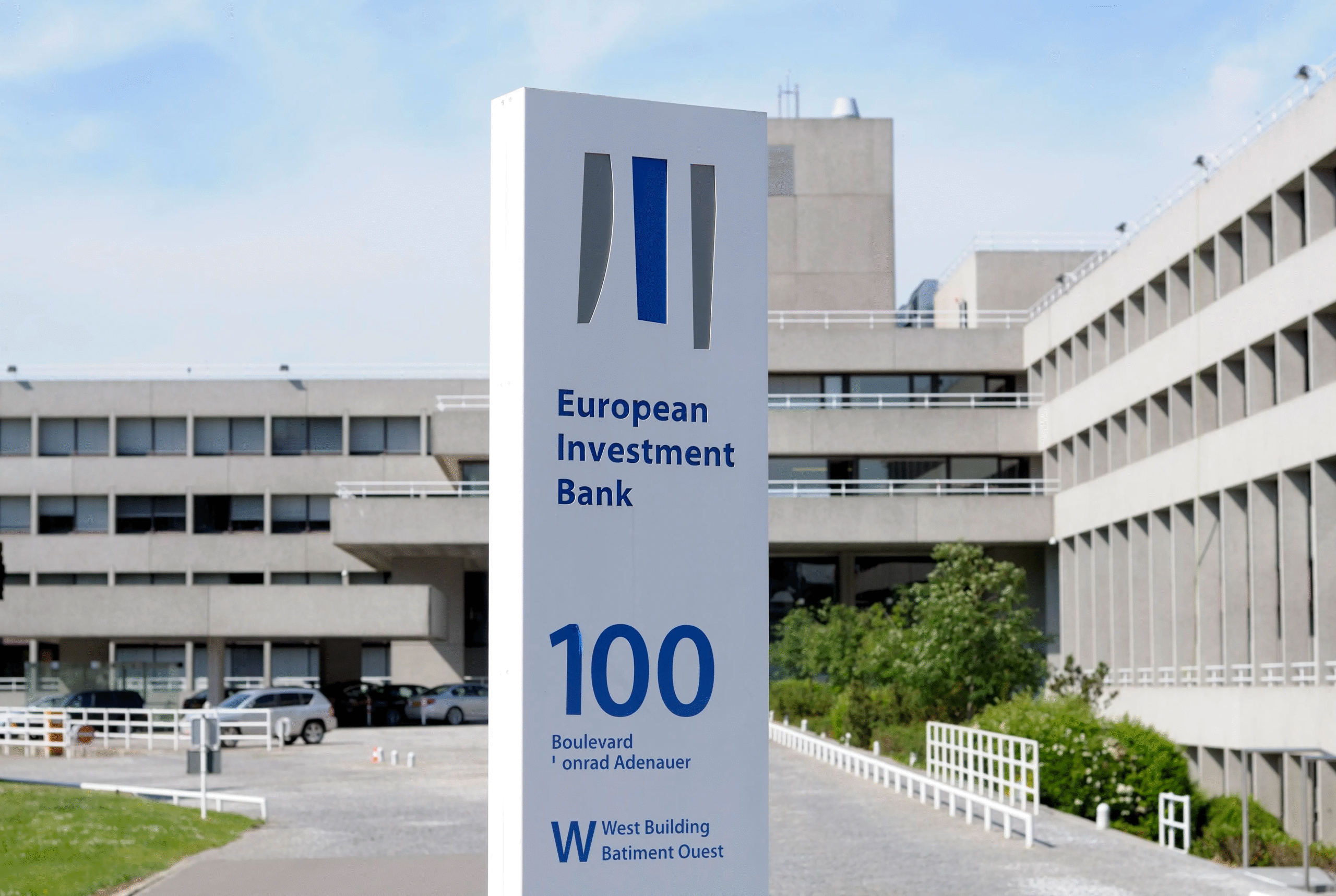
European Investment Bank to Allocate €70 Billion for Tech Sector from 2025 to 2027

The European Investment Bank (EIB) is set to announce plans to invest €70 billion into European technology firms over the next three years, EU officials confirmed. The initiative, called Tech EU, aims to strengthen Europe’s competitive edge against China and the United States in innovative clean and digital technologies.

The EIB, recognized as the world’s largest multilateral lender with a total balance sheet of €556 billion, expects its €70 billion commitment to mobilize an additional €250 billion from private investors attracted by EIB-supported projects.

The allocation breakdown for 2025-2027 includes:

  • €20 billion for equity and quasi-equity investments

  • €40 billion for loans

  • €10 billion for guarantees

This initiative is designed to complement European Commission efforts by supporting high-risk ventures and innovative companies through their entire investment lifecycle—from proof of concept to initial public offering.

Key focus areas for funding include supercomputing, artificial intelligence, digital infrastructure, critical raw materials, green industries such as offshore wind, healthcare, security and defense technologies, robotics, and advanced materials.