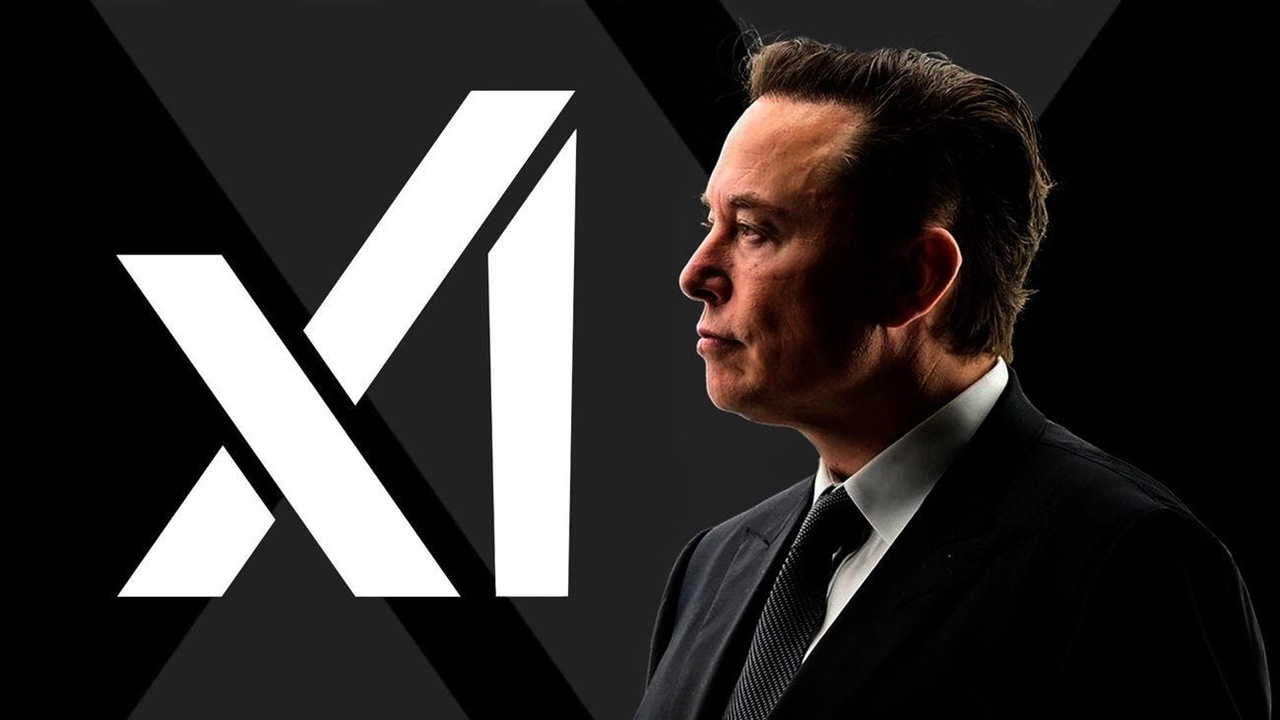
Morgan Stanley Markets $5 Billion Debt Package for Elon Musk’s xAI Amid Political Tensions

Morgan Stanley is marketing a $5 billion debt package, including bonds and two loans, for Elon Musk’s artificial intelligence company xAI, according to sources familiar with the matter. The move comes during escalating tensions between Musk and U.S. President Joe Biden, adding complexity to the fundraising efforts.

Last week, Morgan Stanley began discussing a floating-rate term loan B, priced at 97 cents on the dollar, with an interest rate set at 700 basis points above the SOFR benchmark. A second financing option offers a fixed rate of 12%, though both structures are subject to investor demand and may change as discussions progress. Preliminary financial details were shared with investors during a recent meeting.

Unlike prior Musk-related transactions, Morgan Stanley is approaching this deal on a “best efforts” basis, meaning it will not guarantee the full issue volume or commit its own capital. This cautious stance reflects a more conservative lending approach amid uncertain macroeconomic conditions. The bank’s restraint follows its experience with Musk’s $44 billion acquisition of Twitter (now X) in 2022, when seven banks led by Morgan Stanley were left holding $13 billion in debt for over two years after the Federal Reserve raised interest rates.

Banks typically offload such loans to investors soon after deals close, but the X debt remained on their books until early 2024. Improved financial performance at X, bolstered by increased platform traffic and Musk’s proximity to former U.S. President Donald Trump, finally allowed banks to sell the debt. Investor interest was also fueled by growing enthusiasm for artificial intelligence investments and the potential political influence tied to Musk’s ventures.

In parallel with the debt sale, xAI has been in discussions to raise around $20 billion in equity funding. Depending on negotiations, the company’s valuation could range from over $120 billion to as much as $200 billion, according to various sources. An earlier plan to merge xAI with social media platform X was ultimately abandoned.

However, recent political developments have complicated Musk’s fundraising prospects. A public rift between Musk and Trump has emerged, potentially jeopardizing federal contracts or grants to Musk’s private companies. This political uncertainty could dampen investor appetite for xAI’s debt or lead to demands for higher risk premiums.

Morgan Stanley and xAI declined to comment on the ongoing negotiations.
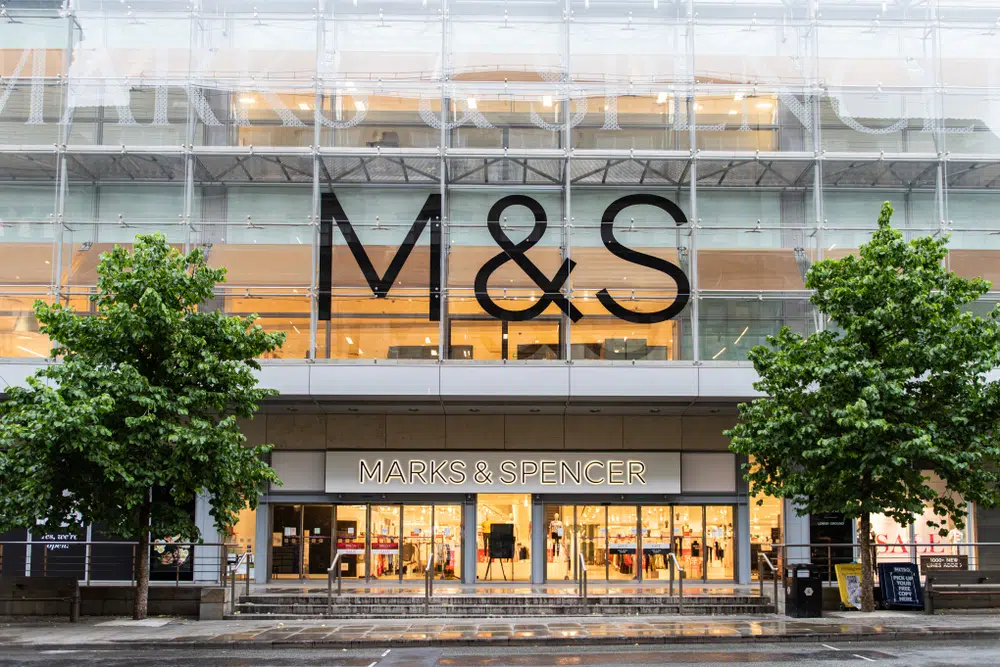
Marks & Spencer Resumes Online Orders After 46-Day Cyberattack Shutdown

British retailer Marks & Spencer (M&S) has resumed online orders for its clothing range after a 46-day suspension due to a cyberattack. The company’s shares rose 3.5% following the restart of standard home deliveries in England, Scotland, and Wales for most clothing items.

An M&S spokesperson noted that not all products are currently available online, with the initial focus on best-selling and new items. The retailer plans to expand the available product selection daily. Deliveries to Northern Ireland, as well as click-and-collect, next-day, nominated-day, and international delivery services, are expected to resume in the coming weeks.

M&S halted clothing and home orders through its website and app on April 25 after technical issues during the Easter holiday weekend disrupted contactless payments and click-and-collect services. The company had initially disclosed managing a “cyber incident” on April 22.

Last month, M&S projected that online disruptions would continue into July and estimated the financial impact at approximately £300 million ($404 million) in lost operating profit for the 2025/26 financial year. However, the company aims to reduce this loss through insurance claims and cost-cutting measures. The cyberattack also interfered with M&S’s supply chain, hindering its ability to stock stores during a period of high demand driven by warm weather.

Industry analysts anticipate that the upcoming end-of-season sale will feature larger inventories and deeper discounts than usual. Despite Tuesday’s share price recovery, M&S shares remain 9.5% lower since the cyberattack was first reported.

The breach occurred when hackers exploited a vulnerability by deceiving employees at a third-party contractor, allowing them to bypass M&S’s digital security measures. In response, M&S plans to use this incident as an opportunity to accelerate technological upgrades.

In recent weeks, several global retailers have reported similar cyber incidents, including UK grocer the Co-op Group, German sportswear brand Adidas, luxury jeweller Cartier, and U.S. lingerie retailer Victoria’s Secret.

Meta’s Zuckerberg Forms New AGI-Focused AI Team Amid Scale AI Investment

Meta Platforms CEO Mark Zuckerberg is assembling a new artificial intelligence team with a mission to pursue artificial general intelligence (AGI) — AI systems capable of matching or exceeding human-level intelligence — according to a report by Bloomberg News on Tuesday. The move signals Meta’s ambition to compete at the highest level of AI development, alongside rivals like OpenAI.

Zuckerberg is reportedly leading the recruitment of about 50 AI experts to form the AGI group, including searching for a new head of AI research. The effort comes amid Meta’s planned investment of over $10 billion in Scale AI, with Scale AI’s founder Alexandr Wang expected to join Meta’s AGI team once the deal is finalized, Bloomberg reported, citing unnamed sources.

Meta has not yet publicly confirmed the formation of this team. Reuters noted that Meta did not immediately respond to requests for comment.

The creation of the AGI team follows internal dissatisfaction with the performance and reception of Meta’s most recent large language model, Llama 4, according to Bloomberg. Compounding these challenges, the Wall Street Journal previously reported that Meta delayed the release of its flagship “Behemoth” AI model last month due to concerns about its readiness and capabilities.

While Meta continues to build out its Llama series of models and expand AI integration across its platforms like Facebook, Instagram, and WhatsApp, the pivot toward AGI suggests Zuckerberg is positioning Meta to remain competitive as global tech giants race to develop the next generation of AI technology.

Competitors such as OpenAI are also actively seeking additional investment to fuel their AGI research. The AGI race has attracted massive financial commitments, talent acquisitions, and escalating debates about both the promise and risks of creating human-level AI.