U.S. Suspends Nuclear Equipment Export Licenses to China Amid Escalating Trade Tensions

The U.S. government has recently suspended export licenses for nuclear equipment suppliers selling to China’s power plants, according to sources familiar with the situation, marking a significant escalation in the ongoing trade war between the two countries.

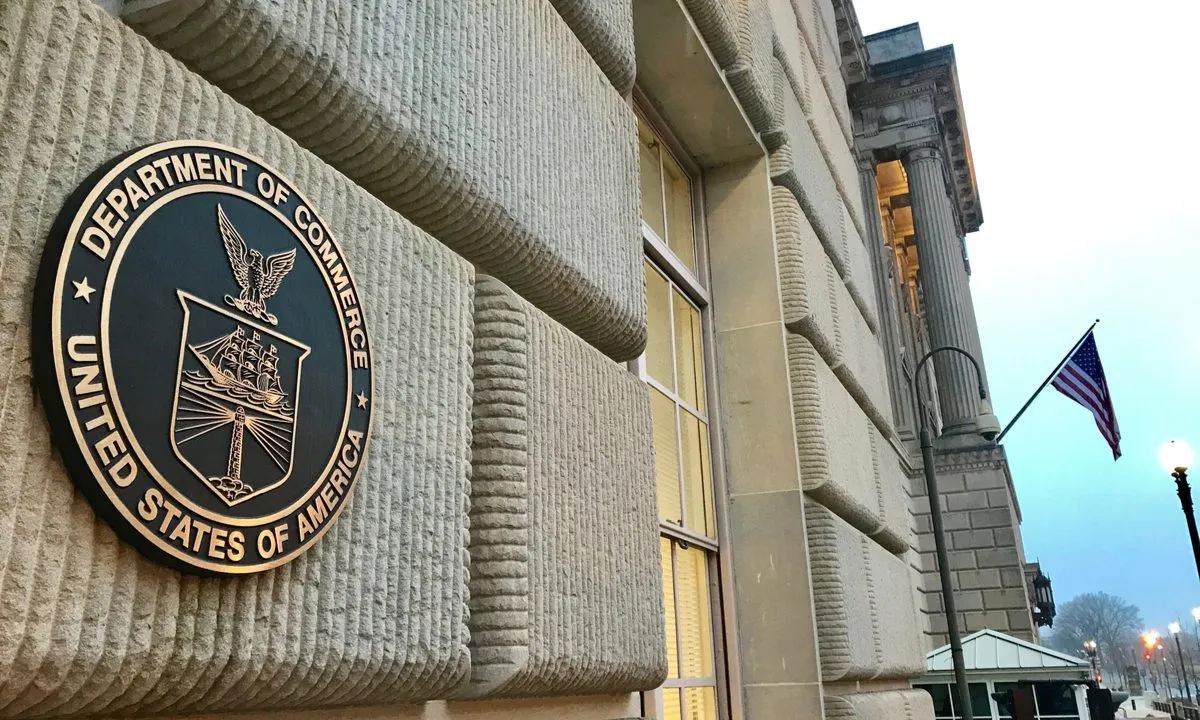
These suspensions, issued by the U.S. Department of Commerce, target parts and equipment critical for nuclear power plant operations. The move is part of broader export restrictions imposed over the past two weeks on various companies as Washington shifts from tariff negotiations toward restricting supply chains linked to China.

The suspensions impact major U.S. nuclear equipment suppliers, including Westinghouse—whose technology powers over 400 reactors worldwide—and Emerson, a provider of nuclear industry measurement tools. These restrictions are estimated to affect hundreds of millions of dollars in business.

The U.S. and China had agreed on a 90-day truce on tariffs starting May 12, but tensions quickly resurfaced. The U.S. accuses China of reneging on rare earth element agreements, while China criticizes the U.S. for abusing export controls, notably concerning Huawei’s AI chips. A new round of talks between President Donald Trump and President Xi Jinping was scheduled for June 9 to address these issues.

In addition to nuclear equipment, the U.S. has imposed new export license requirements on hydraulic fluids suppliers, aerospace companies like GE Aerospace (jet engines for China’s COMAC aircraft), and ethane shipments. Houston-based Enterprise Product Partners reported delays in approval for ethane cargoes to China due to the new licensing rules.

China, for its part, insists it is honoring the Geneva agreement and calls on the U.S. to lift its restrictive measures. The Chinese Embassy emphasized that its rare earth export controls follow global norms and are not targeted specifically at any country.

The ongoing export curbs come amid China’s restrictions on critical metals, which have disrupted global supply chains, particularly affecting U.S. automakers. Although China has granted temporary export licenses for rare earths to U.S. automakers, the situation remains volatile.

It remains unclear how long the U.S. export license suspensions will last or whether they will be reversed following diplomatic discussions.
Stablecoins’ Mainstream Rise Could Shake U.S. Treasury Bill Market Amid Regulatory Push

As stablecoins move closer to mainstream acceptance, segments of the U.S. Treasury market, particularly short-term securities like Treasury bills (T-bills), could face increased volatility due to their growing ties with the cryptocurrency world.

Congress is on the verge of passing legislation that would establish a clear regulatory framework for stablecoins—dollar-pegged cryptocurrencies widely used by traders to shift funds between tokens. Proponents say the new rules will legitimize the sector and encourage more stablecoin activity, which could boost demand for short-term U.S. government debt, considered cash equivalents by many investors.

However, some experts warn that this growing crypto footprint could amplify instability in the T-bill market. Cristiano Ventricelli, senior analyst at Moody’s, cautioned that sudden loss of confidence or regulatory pressure could trigger massive liquidations by stablecoin issuers, potentially depressing Treasury prices and disrupting fixed-income markets. A problem in stablecoins could spill over into broader financial markets, affecting institutions relying on stablecoin liquidity.

If enacted, the legislation would require stablecoins to be backed by liquid assets like U.S. dollars and short-term Treasury bills, along with monthly transparency disclosures on reserve composition. This would likely compel stablecoin issuers such as Tether and Circle to buy more Treasury bills to back their tokens. Currently, these two companies hold approximately $166 billion in U.S. Treasuries.

The stablecoin market, currently around $247 billion, could balloon to $2 trillion by 2028 if the legislation passes, according to Standard Chartered. The Treasury market itself has about $29 trillion in securities outstanding, with $6 trillion in T-bills.

JP Morgan analysts estimate stablecoin issuers could become the third-largest buyers of Treasury bills in the near future, raising concerns about tighter links between crypto and traditional finance. The Treasury Borrowing Advisory Committee warned that growth in stablecoins might reduce banks’ demand for Treasuries and impact credit growth.

Experts also caution about potential liquidity risks. If stablecoin issuers are forced to sell Treasuries rapidly, it could cause price drops and credit crunches in money markets, which invest heavily in short-term debt.

While past stablecoin issues—like Tether’s brief loss of its dollar peg in 2022 or Circle’s 2023 peg break tied to Silicon Valley Bank’s failure—did not cause systemic market disruptions, the scale of risk could rise with wider adoption driven by federal regulation.

On the positive side, some see the legislation as a market stimulant. Matt Hougan of Bitwise Asset Management argues that codifying stablecoins will expand the global dollar footprint, strengthening the dollar’s role as the world’s reserve currency. Roger Hallam of Vanguard suggests increased demand for short-term Treasuries could encourage the U.S. Treasury to issue more T-bills instead of long-term debt, easing market tensions and balancing fiscal funding needs.

Taiwan’s Pegatron Nears Decision on U.S. Factory Plan Amid AI Server Production Needs

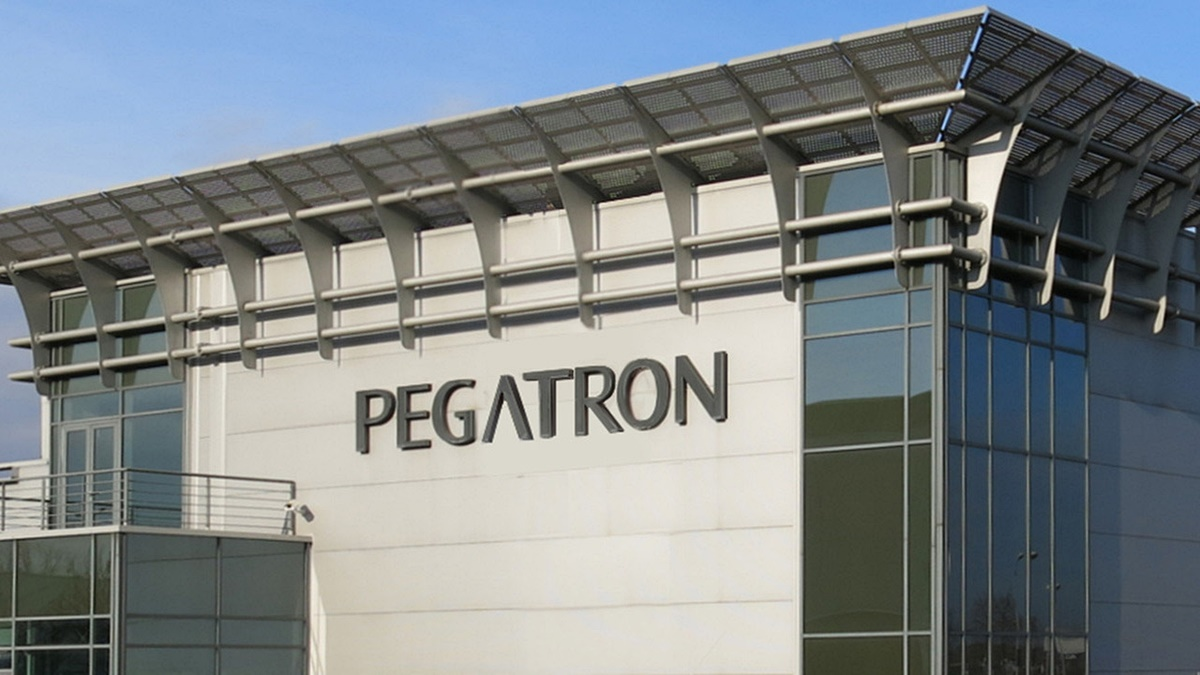
Pegatron, a major Taiwanese supplier for Apple and Dell, is in the final phase of evaluating plans for a new factory in the United States, with a decision expected by this or next month, company president and CEO Kuang-Chih Cheng said on Friday.

Key factors influencing the site selection include land and labor costs, with electricity availability being especially critical due to the factory’s focus on artificial intelligence (AI) server production, Cheng told reporters during the company’s annual shareholders’ meeting.

When asked about possible locations, Cheng noted that Pegatron’s considerations are similar to those of peers and competitors, many of whom are looking at U.S. states like Texas, where Taiwanese manufacturers Foxconn, Inventec, and Wistron have recently announced expansion plans.

Pegatron has been actively diversifying its manufacturing footprint away from China since the Trump administration began imposing trade restrictions, expanding operations in Southeast Asia and Mexico. The company already maintains a repair base in Indiana and an office in California.

Additionally, Pegatron started developing an AI server production line in Mexico last year, with mass production slated to begin in the third quarter.