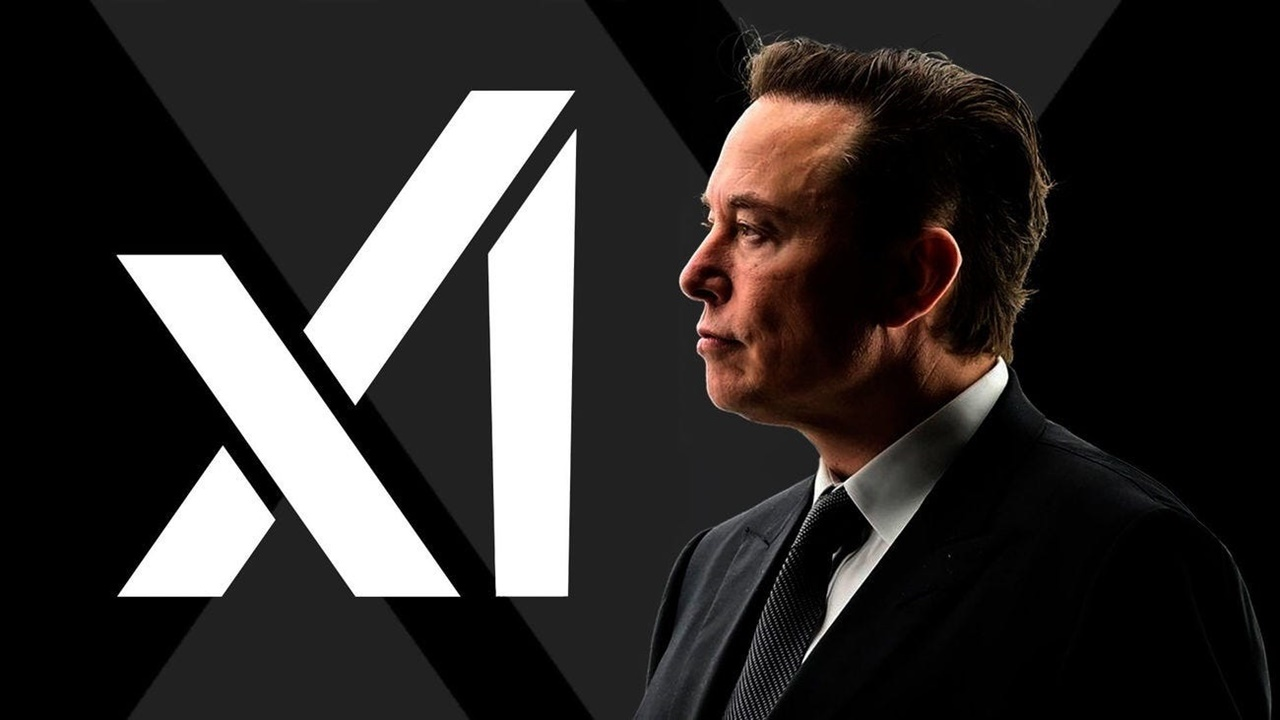
Elon Musk’s xAI Projects Over $13 Billion Annual Earnings by 2029, Bloomberg Reports

Artificial intelligence startup xAI, founded by Elon Musk, expects to generate more than $13 billion in annual earnings by 2029, according to data shared by its banker Morgan Stanley, Bloomberg News reported on Thursday.

Morgan Stanley is seeking investors for a $5 billion debt sale by xAI and has disclosed the AI company’s financials to potential investors willing to commit at least $50 million. The figures reveal that xAI aims to reach $1 billion in gross revenue by the end of 2025 and $14 billion by 2029.

In the first quarter of this year, xAI reported $52 million in gross revenue but faced a loss of $341 million before interest, taxes, depreciation, and amortization (EBITDA). Projections show a rapid improvement, with EBITDA expected to rise to $2.7 billion by 2027 and hit $13.1 billion in 2029.

Like many AI startups, xAI is investing heavily in infrastructure, planning $18 billion in future data center investments following $2.6 billion in capital expenditures so far.

This financial unveiling coincides with a highly public spat between Elon Musk and former U.S. President Donald Trump, involving threats over government contracts. The effect of this dispute on xAI’s debt sale remains unclear.

In addition to the debt raise, xAI is reportedly targeting a valuation of $113 billion in a concurrent $300 million share sale.

Neither Morgan Stanley nor xAI has responded to Reuters requests for comment.
SES Appoints Aerospace Veteran Elisabeth Pataki as New CFO Amid Intelsat Acquisition

European satellite operator SES announced on Friday the appointment of Elisabeth Pataki as its new chief financial officer, effective June 16. Pataki, currently CFO of Aerojet Rocketdyne, a unit of aerospace and defense giant L3Harris, will succeed Sandeep Jalan in the role.

SES CEO Adel Al-Saleh praised Pataki’s extensive experience in the aerospace sector and highlighted her successful track record in managing complex M&A finance integrations. This expertise comes as SES pursues a major $3.1 billion acquisition of Intelsat, a deal set to be one of the decade’s largest in the satellite industry and aimed at challenging SpaceX’s Starlink dominance.

The satellite sector is undergoing significant disruption as Starlink’s rapid expansion pressures traditional operators like SES, raising concerns about their financial stability. SES carries over $5 billion in total debt and has seen its five-year credit default swap (CDS) spreads climb to 235 basis points recently, signaling increased investor worries over default risk.

Despite this, SES confirmed in April that it has secured full financing for the Intelsat acquisition, which is currently awaiting approval from European antitrust authorities. The deal is seen as a strategic move to strengthen SES’s competitive position in a rapidly evolving market.

Indonesia’s Sovereign Wealth Fund Explores Stake in Grab-GoTo Merger

Indonesia’s newly established sovereign wealth fund, Danantara Indonesia, is reportedly in early discussions to acquire a minority stake in the potential combined entity formed by ride-hailing and food delivery rivals Grab and GoTo. According to a Bloomberg News report on Friday, the move aims to alleviate concerns within the Indonesian government over Singapore-headquartered Grab’s ownership of the country’s largest tech company.

The deal, which is still in the negotiation phase, could see Grab valuing GoTo at approximately $7 billion. Grab is targeting a deal closure within the second quarter, though recent progress has slowed amid regulatory reviews by Indonesia’s antitrust authority. The regulator began studying potential risks associated with the merger last month to ensure fair competition and address any national security concerns.

Danantara Indonesia, launched in February, serves as Indonesia’s sovereign wealth vehicle and is designed to invest in strategic sectors including metal processing and artificial intelligence. The fund consolidates government stakes in various state-owned enterprises and is modeled after Singapore’s Temasek Holdings, aiming to foster national economic growth and technological advancement.

Neither Grab, GoTo, nor Danantara Indonesia have commented on the talks, but sources close to the matter indicate the discussions continue as stakeholders work through regulatory hurdles.

If completed, the transaction would mark a significant consolidation in Southeast Asia’s tech landscape, potentially strengthening Indonesia’s influence in the regional digital economy while balancing foreign ownership concerns.