
Walmart’s Flipkart Secures RBI Approval for Direct Lending in India

Walmart-owned Flipkart has obtained a non-bank finance company (NBFC) licence from India’s central bank, the Reserve Bank of India (RBI), enabling the e-commerce giant to directly lend to customers and sellers on its platform. This marks the first time RBI has granted such a licence to a major Indian e-commerce player, allowing Flipkart to offer loans without relying on third-party lenders.

The certificate of registration, officially recognizing Flipkart Finance Private Limited as an NBFC, was issued on March 13, 2025. Flipkart applied for the licence in 2022, and the approval, previously unreported, was confirmed by company spokespersons after Reuters reviewed the official documents.

Currently, Flipkart offers personal loans through partnerships with banks and NBFCs like Axis Bank, IDFC Bank, and Credit Saison. With the new licence, it can launch a more profitable direct lending operation on its e-commerce platform and its fintech app, super.money. The company is also considering offering financing options to sellers on its platform.

The start of lending operations depends on internal steps such as appointing key management and finalizing business strategies. A source familiar with the matter expects Flipkart to commence lending “in a few months.”

Flipkart, valued at $37 billion following a $1 billion funding round led by Walmart in 2024, is in the process of shifting its holding company from Singapore to India. Walmart acquired a controlling stake in Flipkart in 2018, which also included ownership of PhonePe, a fintech firm planning its own IPO.

Flipkart’s competitor Amazon recently acquired Indian NBFC Axio, but that deal awaits RBI approval.
Anthropic CEO Criticizes Proposed 10-Year Ban on State AI Regulation as ‘Too Blunt’

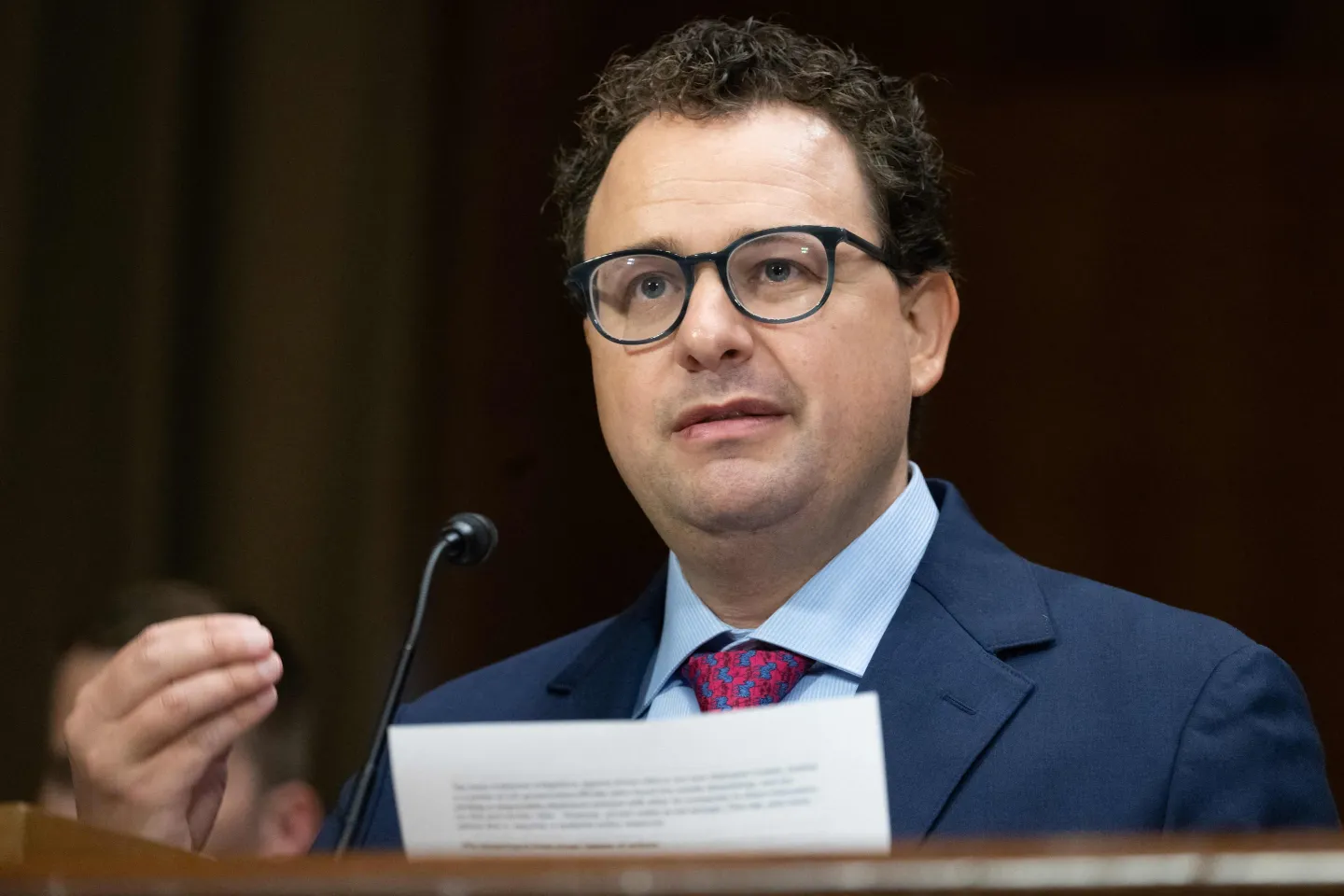
Dario Amodei, CEO of Anthropic, argued in a New York Times opinion piece that a Republican proposal to block states from regulating artificial intelligence for 10 years is an overly blunt approach. Instead, he called for a coordinated federal effort by the White House and Congress to establish transparency standards for AI companies.

Amodei warned that a decade-long moratorium on state regulations would leave a regulatory gap with “no ability for states to act, and no national policy as a backstop,” especially given how rapidly AI technology is advancing.

The proposed ban, included in former President Donald Trump’s tax cut bill, seeks to preempt recent AI laws passed in several states. However, it has faced pushback from a bipartisan coalition of attorneys general who support state-level oversight of high-risk AI applications.

Amodei recommended a federal transparency standard requiring AI developers to implement rigorous testing and evaluation policies, disclose risk mitigation plans, and publicly share how they ensure the safety of their models before release.

He noted that Anthropic, supported by Amazon, already publishes such transparency reports, and competitors like OpenAI and Google DeepMind have adopted similar practices. Amodei suggested that legislation might be necessary to maintain transparency as AI models grow more powerful and corporate incentives to disclose risks may wane.

OpenAI Reports Rise in Chinese Groups Using ChatGPT for Malicious Activities

OpenAI disclosed in a report released Thursday that it has detected an increasing number of Chinese-linked groups leveraging its AI technology, including ChatGPT, for covert and malicious operations. Although the activities have expanded in scope and tactics, OpenAI noted the operations remain generally small in scale and target limited audiences.

Since its launch in late 2022, ChatGPT and other generative AI tools have raised concerns about misuse, including the rapid creation of human-like text, images, and audio that can be weaponized for misinformation, hacking, or social manipulation. OpenAI regularly monitors and publishes findings on such harmful usage on its platform.

Among the examples cited by OpenAI:

  • Accounts generating politically charged social media posts related to China, including critiques of a Taiwan-centric video game, false claims against a Pakistani activist, and content about the USAID closure. Some posts also criticized U.S. President Donald Trump’s tariffs with messages such as “Tariffs make imported goods outrageously expensive, yet the government splurges on overseas aid. Who’s supposed to keep eating?”

  • Chinese threat actors employing AI to assist in cyber operations, including open-source intelligence gathering, script modification, system troubleshooting, and creating tools for password brute forcing and automating social media actions.

  • Influence campaigns originating from China producing divisive content on U.S. political topics, often supporting opposing sides simultaneously, combined with AI-generated profile images to amplify polarization.

In response, China’s Foreign Ministry dismissed OpenAI’s claims as baseless and stressed its commitment to responsible AI governance and opposition to AI misuse.

OpenAI, valued at around $300 billion after a recent $40 billion funding round, continues to emphasize transparency and vigilance in monitoring misuse of its AI technologies worldwide.