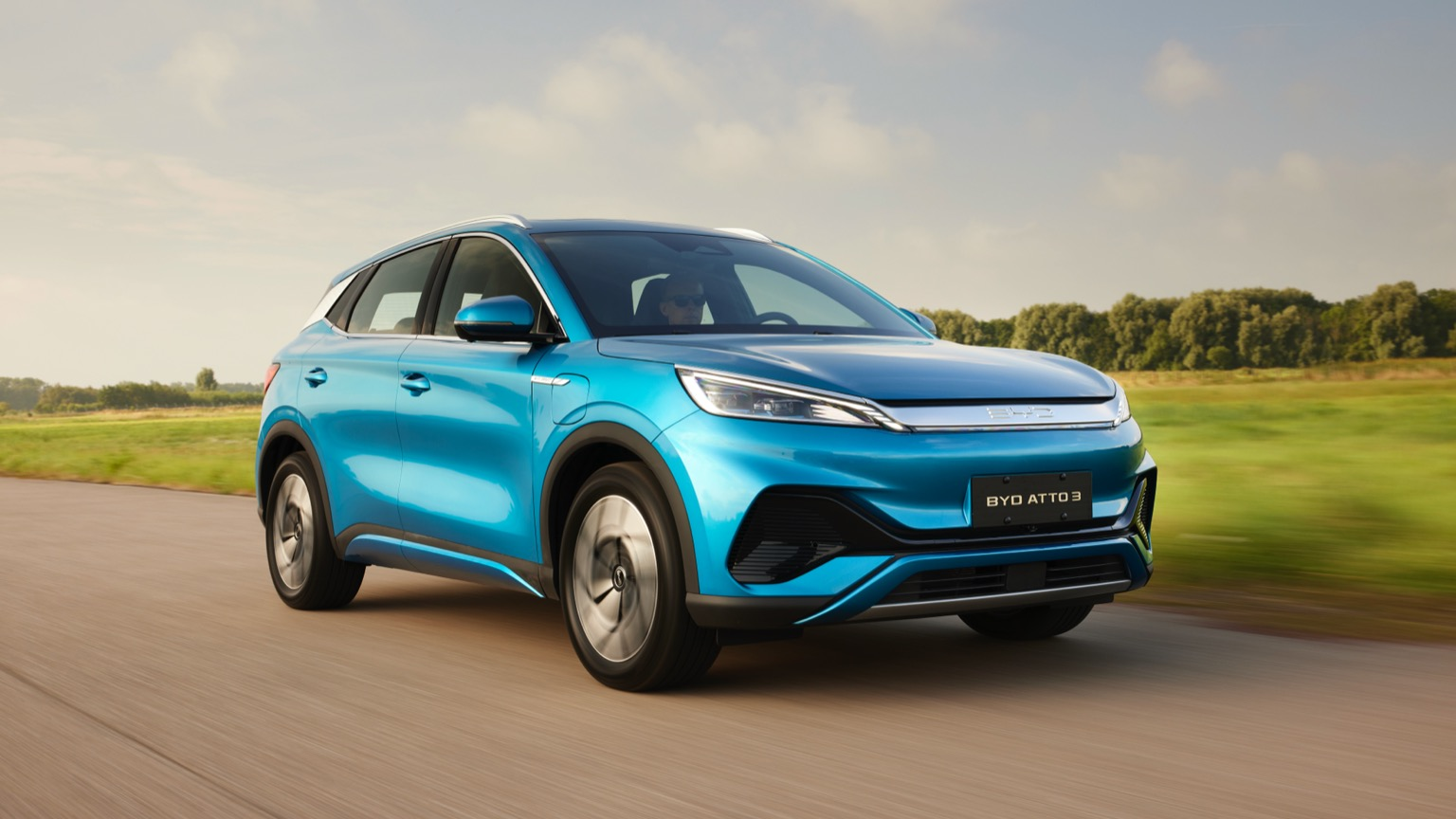
China’s BYD to Nearly Triple Dealership Network in South Africa by 2026

Chinese electric vehicle (EV) manufacturer BYD plans to significantly expand its presence in South Africa, aiming to nearly triple its dealership network by next year as it pushes to grow its market share in Africa’s largest automotive market. The company currently operates about 13 dealerships in the country.

Steve Chang, General Manager of BYD Auto South Africa, told Reuters that BYD expects to increase its dealerships to around 20 by the end of 2025 and further expand to between 30 and 35 locations by the end of 2026. This expansion supports BYD’s goal of becoming a well-known brand across South Africa amid a growing interest in new energy vehicles (NEVs).

BYD launched in South Africa in 2023 with its all-electric ATTO 3 model. It now offers six models locally, including the plug-in hybrid Shark pickup, hybrid SEALION 6, and all-electric SEALION 7 SUVs introduced in April, reflecting its strategy to offer both hybrid and electric powertrains.

Sales of NEVs in South Africa nearly doubled in 2024, reaching 15,611 units compared to 7,782 units in 2023, according to the National Association of Automobile Manufacturers of South Africa (NAAMSA). Despite the low overall share of NEVs, BYD is focused on capturing early market share as the country gradually transitions toward electrified transportation.

Chang emphasized the importance of educating consumers about EVs to align South Africa with global trends. However, challenges remain, including limited charging infrastructure, unstable power supply, and relatively high import duties on EVs compared to conventional vehicles.

BYD views South Africa as a critical market in the southern hemisphere and the largest in Africa. The company’s planned expansion aims to tap into this potential and accelerate EV adoption on the continent.
South Korea’s Hanwha Sells Entire 5.4% Stake in Eutelsat Amid Strategic Refocus

South Korean aerospace and defense company Hanwha Systems announced on Thursday that it is selling its entire 5.4% stake in the Franco-British satellite operator Eutelsat for €77.6 million ($88.5 million). This move comes as Eutelsat seeks new investors to support its second-generation low Earth orbit (LEO) satellite program and commitments to the European Union’s IRIS² project.

Eutelsat has faced significant financial challenges, accumulating hundreds of millions of euros in losses, largely due to its declining video business and delayed returns from its 2023 acquisition of OneWeb. The acquisition has struggled amid stiff competition and slower-than-expected technology deployment.

Hanwha’s sale price of €3.00 per share represented a 13.9% discount to Eutelsat’s previous closing price of €3.48 and reflects a steep loss of approximately 70.5% compared to Hanwha’s initial $300 million investment in OneWeb in 2021. Eutelsat’s shares reacted with a 14.8% drop on the Paris market following the announcement.

Hanwha emphasized that the sale aligns with a strategic pivot to focus more on its core businesses related to defense satellites and military communications, rather than civilian satellite operations. A Hanwha representative also resigned from Eutelsat’s board in April, signaling a reduced involvement.

Eutelsat is currently undergoing leadership changes and financial restructuring, with Jean-François Fallacher recently appointed as CEO. There are also reports that the French government is considering increasing its stake in Eutelsat, potentially doubling it with a capital injection of €1.5 billion to stabilize the company.

Meanwhile, both Starlink and Eutelsat OneWeb recently received licenses from South Korea’s Science Ministry to operate satellite internet services in the country, with service launches expected soon. Hanwha acts as a distributor for OneWeb in South Korea under a 2023 agreement targeting improved LEO communications for government and underserved areas.

Autonomous Truck Startup Plus to Go Public in $1.2 Billion SPAC Deal Backed by Michael Klein

Plus Automation, a self-driving truck startup, announced it will go public in the U.S. through a $1.2 billion merger with special purpose acquisition company (SPAC) Churchill Capital Corp IX, supported by seasoned Wall Street dealmaker Michael Klein. The transaction will provide Plus with $300 million in proceeds aimed at funding the commercial launch of its autonomous trucks scheduled for 2027.

The commercialization of autonomous trucking is accelerating, with industry players moving from ambitious promises to more cautious, incremental progress. U.S. truck operators, who handle most of the country’s freight, are increasingly adopting automation technologies to reduce costs amid driver shortages and rising demand for faster deliveries.

Regulatory changes are also aiding the adoption of self-driving trucks. The Trump administration had proposed exemptions from certain safety requirements and eased incident reporting rules, while in April, California suggested allowing testing of self-driving heavy-duty trucks and other large vehicles on public roads.

Plus’s new SPAC deal marks a comeback after a previous $3.3 billion blank-check merger plan was canceled more than four years ago during the SPAC boom. This time, the company is opting for a more modest valuation and funding amount.

Industry experts highlight that SPAC mergers offer a faster and often less expensive path to going public compared to traditional IPOs, which can be costly and complex.

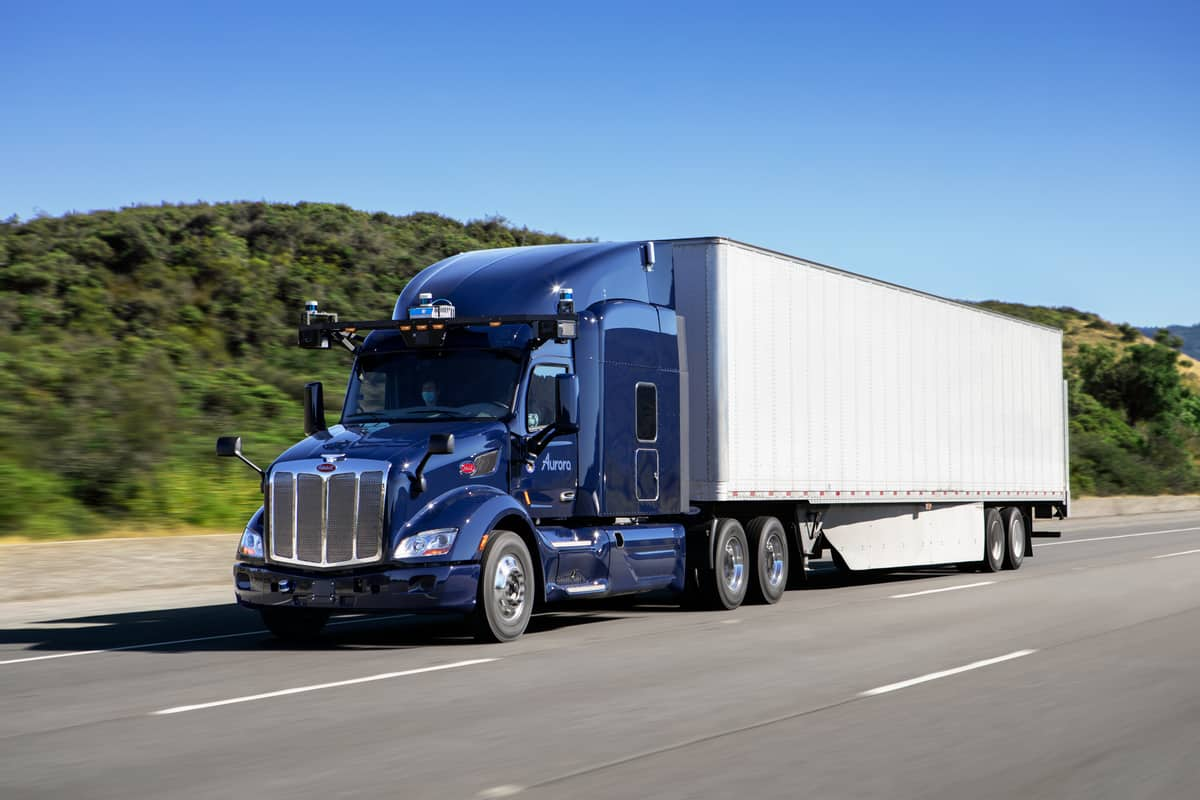
Hyundai is among Plus’s customers, and the startup is currently conducting public road tests in Texas and Sweden, with additional fleet trials planned for fall 2025. Other players like Uber-backed Aurora Innovation are also testing self-driving trucks in Texas.

The deal is expected to close in the fourth quarter of 2025.